Blood Circulation in Scalp Hair Loss: Blood Flow Matters for Hair Loss
Articles
Table of contents
Your scalp relies on steady blood flow to support healthy-looking hair. Blood carries essential nutrients and oxygen to every part of your body. This includes the tiny structures beneath your scalp that produce hair. Daily habits, overall wellness, and lifestyle routines can all influence how your scalp feels and functions. When circulation moves smoothly, your scalp receives what it needs for normal operations. Blood circulation in scalp hair loss represents an important connection worth understanding.
Your routine choices affect how well blood reaches the scalp. Simple adjustments may support better circulation naturally. Think of blood flow like a delivery system bringing supplies to your hair follicles. Without consistent deliveries, the follicles may struggle to function at their best. Understanding hair follicle miniaturisation helps explain why circulation matters so much. Even iron deficiency hair shedding connects to how blood delivers nutrients throughout your body.
Why Blood Flow Matters for Scalp Wellness
Blood flow supports the delivery of nutrients and oxygen to your scalp. Your blood acts like a transportation system throughout your body. It carries vitamins, minerals, and oxygen from your lungs to tissues. The scalp contains many small blood vessels called capillaries. These tiny vessels branch throughout the scalp tissue. They deliver their cargo directly to the follicles beneath the surface. Each follicle depends on this steady supply to function normally. Without adequate blood flow, follicles may not receive everything they need. Oxygen helps cells function properly at the cellular level.
Nutrients provide building blocks for hair production. Proteins, vitamins, and minerals all travel through the bloodstream. Circulation helps maintain the overall appearance and comfort of your scalp. Good blood flow keeps the scalp feeling normal rather than tight. It supports the natural moisture balance of the skin. The scalp produces oils that keep hair protected. These processes depend on proper nourishment from blood. These are general wellness concepts rather than medical claims. Your body regulates blood flow through various natural mechanisms. Temperature, activity level, and hydration all influence circulation patterns. Understanding these connections helps you make informed daily choices.
Early Signs of Reduced Blood Circulation Scalp Hair Loss
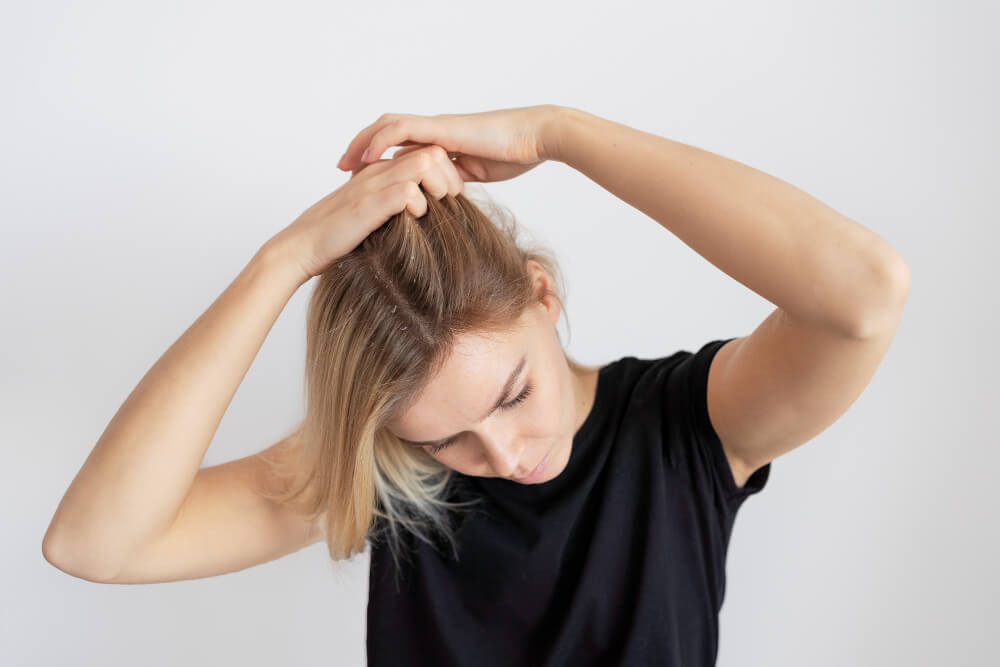
Common everyday signs may indicate circulation changes in the scalp. You might notice your scalp feels tight or uncomfortable. This tightness occurs when blood vessels constrict slightly. Some people describe it as tension across the top of the head. Others feel it more at the temples or the crown area. Dull-looking hair can also reflect circulation patterns. When follicles receive fewer nutrients, hair may lose some shine. The strands might feel less smooth to the touch. They could appear more brittle or dry than usual. These observations reflect general patterns rather than diagnoses.
Blood circulation scalp hair loss connections develop gradually over time. You won’t notice dramatic changes from a single day. Instead, patterns emerge across weeks or months. Hair might appear less vibrant than usual. The scalp could feel different during washing or brushing. Some people notice their hair doesn’t hold styles as well. Individual experiences vary significantly based on many factors. Your baseline circulation patterns differ from those of others. What feels normal for you might differ from someone else’s experience. Age, genetics, and lifestyle all play roles in these patterns.
Lifestyle Habits That Influence Scalp Blood Flow
Movement affects circulation throughout your entire body. Physical activity encourages blood to flow more actively. Your heart pumps faster during movement, pushing blood through vessels. Even gentle movements like walking support better circulation. You don’t need vigorous exercise to see benefits. Posture influences how easily blood reaches different areas. Sitting hunched over can compress blood vessels slightly. This compression restricts the natural flow path. Standing or sitting upright allows freer flow. Good posture keeps vessels open and unrestricted. Hydration means drinking enough water to support the body’s balance. Water is the main component of blood volume.
Without adequate water, blood becomes thicker. Adequate hydration keeps blood flowing smoothly through vessels. Overall well-being habits include stress management practices. Chronic stress can cause blood vessels to constrict. This constriction reduces flow to various body parts. The scalp is particularly sensitive to these changes. Small daily choices accumulate effects over time. Taking short movement breaks during long sitting periods helps. Even standing up for a minute makes a difference. Drinking water consistently throughout the day supports volume. Managing stress through breathing or relaxation promotes vessel health. These habits may support a healthier-feeling scalp naturally.
Environmental and Styling Factors That Affect Circulation
Tight hairstyles create external pressure on the scalp. Pulling hair back firmly can compress underlying tissues. This compression may influence blood flow to that area. Ponytails, braids, and buns all create varying amounts of tension. The tighter the style, the more pressure it applies. Wearing the same tight style daily increases cumulative effects. Prolonged pressure from hats or headbands affects circulation, too. Wearing very tight headwear restricts natural blood movement. Cold weather causes blood vessels to constrict naturally. Your body tries to conserve heat by narrowing vessels.
This affects the scalp just like other exposed skin areas. You might notice your scalp feels cooler or tighter in winter. Heat has the opposite effect, causing vessels to dilate. Hot showers increase blood flow temporarily to the scalp. Warm water signals vessels to open wider. These factors affect individuals differently based on sensitivity. Some people notice scalp discomfort from tight styles quickly. Others might not feel the effects as obviously. Your personal response depends on unique characteristics. Hair texture, scalp sensitivity, and natural circulation all matter.
Simple Routines to Support a Healthy-Looking Scalp
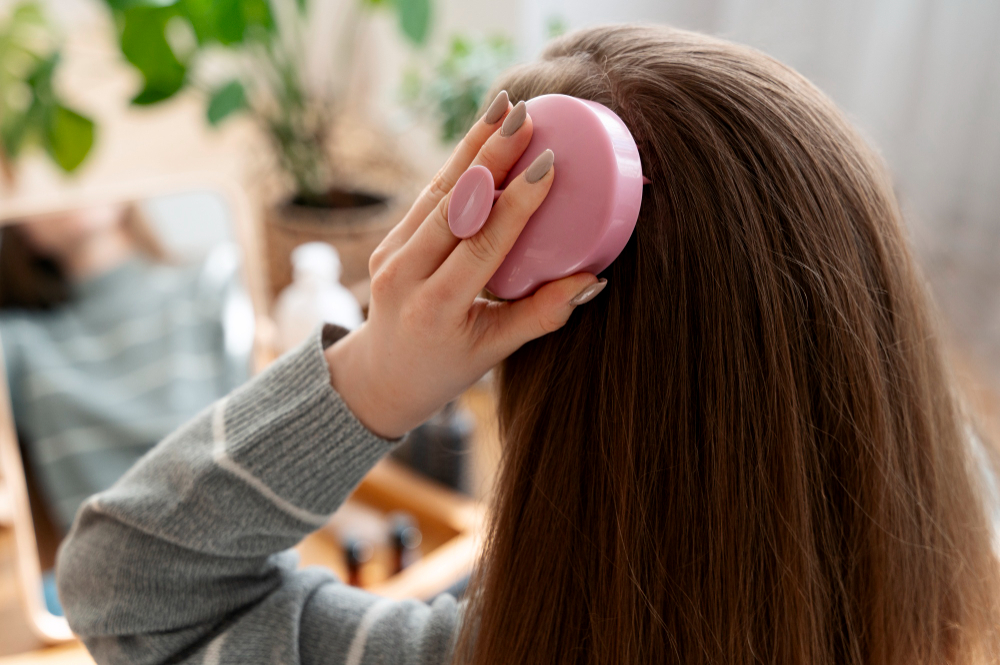
Gentle approaches may support circulation through daily habits. Moderate movement throughout the day encourages overall blood flow. You don’t need intense exercise for circulation benefits. Simple activities like walking or stretching help significantly. Taking stairs instead of elevators adds movement naturally. Warm showers dilate blood vessels naturally. The warmth signals vessels to open wider temporarily. This allows more blood to reach the scalp during washing. Avoid water that’s too hot, as extreme heat can dry skin. Light scalp stimulation can feel pleasant and supportive. Gently massaging your scalp during washing creates mild pressure. This pressure encourages blood flow to the area.
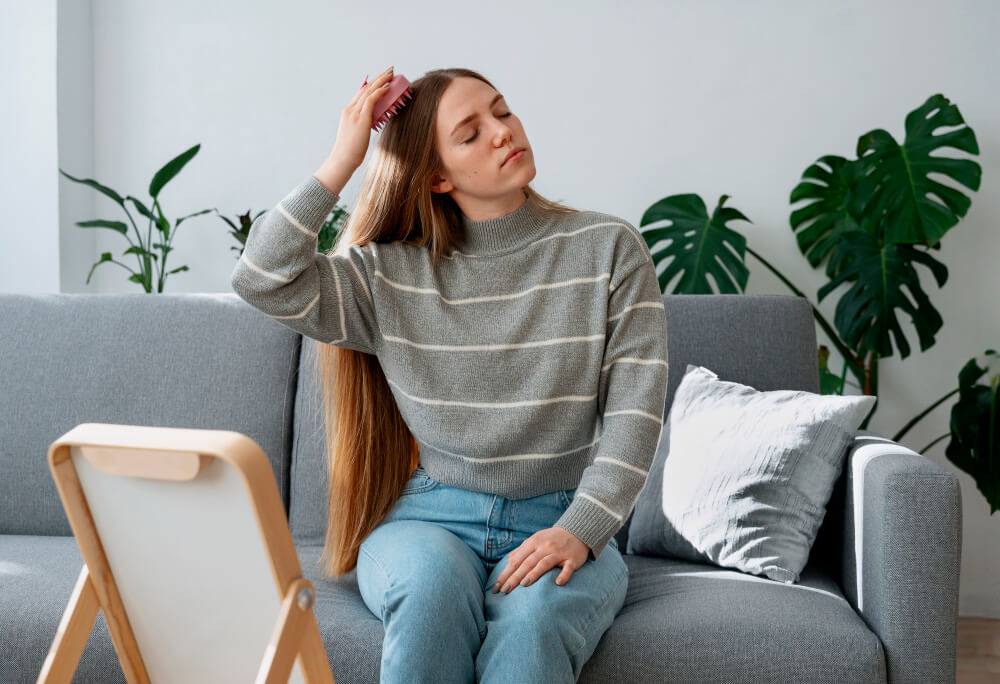
Use your fingertips to make small circles across your scalp. Move from the sides to the front and back. Keep the pressure comfortable rather than forceful. You can also massage while your hair is dry. A few minutes before bed works well for many people. Scalp blood circulation hair loss patterns may respond to consistent care. Regular attention to these simple practices creates steady support. Your routine doesn’t need to be complicated or time-consuming. Even a few minutes daily makes a difference over weeks. Consistency matters more than intensity when supporting circulation.
When to Consider Additional Support for Scalp Wellness
Ongoing changes may justify seeking guidance from professionals. If your scalp consistently feels uncomfortable, mention it during health visits. Persistent tightness or unusual sensations deserve attention. Changes in hair appearance that worry you are worth discussing. Professionals can evaluate whether circulation issues contribute. They might check for other factors affecting scalp health, too. Nutritional status, hormonal balance, and stress levels all matter. Keep the tone positive, balanced, and non-alarming.
Many factors influence how the scalp feels and functions. Individual variation is completely normal and expected. What concerns one person might not bother another. However, persistent patterns that affect your comfort matter. Scalp sensations and hair appearance naturally vary between individuals. Some days your scalp feels different than others. This variation is part of normal body rhythms. Monthly hormonal cycles can affect how the scalp feels. Seasonal changes influence circulation patterns too. Significant or persistent changes deserve professional input. Early attention often provides peace of mind. A professional can help distinguish normal variation from concerning patterns.
FAQs
Can improving circulation support healthier-looking hair?
Better circulation helps deliver nutrients and oxygen to follicles more effectively, which may support the overall appearance and strength of hair over time.
Why does the scalp feel tight sometimes?
Tension, poor posture, or stress can cause muscles and blood vessels to constrict, creating a tight sensation across the scalp.
Can cold weather change how my scalp feels?
Yes, cold temperatures cause blood vessels to constrict naturally as your body conserves heat, which can affect scalp comfort temporarily.
Do hairstyles influence blood flow to the scalp?
Tight hairstyles that pull firmly on the scalp can create pressure that may temporarily restrict circulation in the affected areas.
Can gentle movement help support circulation?
Yes, regular physical activity and even simple movements like walking encourage blood flow throughout the body, including to the scalp.
$839.99
This product has multiple variants. The options may be chosen on the product page
Save with sets
Unlock savings on bundles and elevate your online experience today!
Age Verification Required
This website contains information on research compounds intended for laboratory use only. You must be 21 years or older to enter and view this content. By entering, you also agree that all products are for research use only and are not intended for human consumption.

 132
132