Why Research Institutions Source Aesthetic Peptides From a Dedicated Scientific Catalogue
Scientific procurement decisions depend on analytical transparency, supply consistency, and regulatory alignment. A dedicated research-grade catalogue provides what general chemical suppliers frequently cannot: peptide sequences mapped to defined molecular research domains, accompanied by full characterisation documentation including HPLC purity chromatograms, ESI-MS molecular identity confirmation, and batch-specific certificates of analysis traceable to synthesis records.
Institutions conducting in vitro fibroblast assays, extracellular matrix remodelling pathway investigations, or melanocortin receptor pharmacology studies require compounds with confirmed sequence fidelity and rigorously verified purity profiles. Sourcing from a
research-oriented catalogue ensures investigators are working with materials manufactured for controlled experimental environments — not reformulated derivatives or commercially repackaged variants lacking appropriate analytical disclosure. For primary cell culture applications, endotoxin specification by LAL assay should be confirmed prior to experimental use to prevent LPS-mediated confounding of receptor-mediated signalling readouts.
Research teams benefit from a catalogue that organises compounds by molecular target and pathway focus rather than consumer application, allowing direct alignment between procurement decisions and experimental design requirements.
Analytical Standards and Research Compliance Requirements
All compounds within the Aesthetic & Cosmetic Peptides category are supplied as
research-grade experimental biochemicals. They are not approved for human consumption, clinical application, or cosmetic formulation. Institutional and regulatory compliance obligations rest with the procuring laboratory and principal investigator.
Research-grade handling requires storage under compound-specific conditions as defined in supplier documentation, reconstitution in sterile endotoxin-free aqueous buffer systems compatible with the intended cell line preparation, adherence to institutional biosafety and ethics review requirements governing experimental biochemical reagents, and deployment exclusively within approved in vitro or preclinical investigative protocols. HPLC purity chromatography and mass spectrometry molecular identity confirmation are provided as standard analytical documentation for every compound batch, supporting reproducible experimental workflows and institutional procurement record requirements.
Aesthetic & Cosmetic Peptides by Research Classification
For systematic procurement, compounds within this category are grouped according to primary molecular research orientation:
Signal peptides — characterised in fibroblast cell line preparations for TGF-beta receptor SMAD cascade interaction and procollagen type I and III biosynthesis pathway modulation
Carrier peptides — investigated for trace metal-binding interactions, including
copper-complexed analogues studied for MMP expression regulation and TGF-beta isoform modulation in dermal fibroblast cell line systems
Neuropeptide analogues — characterised in neuromuscular junction in vitro model preparations and SNARE complex reconstitution systems for vesicular exocytosis machinery interaction dynamics
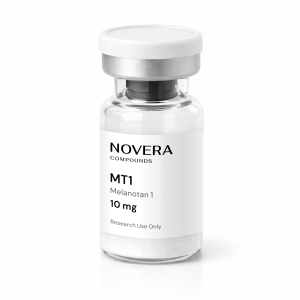
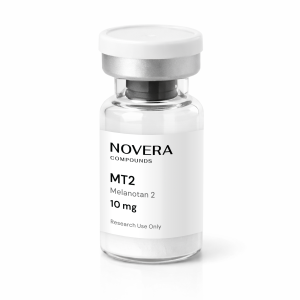
Melanocortin-related fragments — evaluated in MC1R-, MC3R-, and MC4R-expressing cell line preparations and heterologous HEK293 expression systems for receptor binding kinetics, cAMP accumulation profiling, and melanogenesis transcriptional cascade characterisation
ECM-targeted sequences — investigated for COL1A1 and COL3A1 transcriptomic upregulation, elastin-associated gene expression, MMP-1/MMP-2 activity modulation, and TGF-beta receptor SMAD pathway dynamics in primary dermal fibroblast preparations
This classification enables laboratories to select compounds directly aligned with specific experimental hypotheses and receptor pharmacology targets, reducing procurement complexity across multi-pathway research programmes.
Collagen Pathway and Extracellular Matrix Research Models
A primary investigative domain within this category encompasses extracellular matrix remodelling pathway characterisation in fibroblast cell line preparations. In vitro dermal fibroblast culture systems — including primary human dermal fibroblasts and IMR-90 cell line preparations — represent the core experimental platform for ECM-targeted compounds in this category.
Investigators characterising ECM dynamics examine how synthetic peptide sequences interact with matrix metalloproteinase expression systems, procollagen biosynthesis transcriptional networks, and fibroblast receptor activation cascades under controlled in vitro conditions.
Compounds including synthetic signal peptide sequences and lipopeptide analogues are introduced into fibroblast cell line preparations to evaluate downstream effects on SMAD2/3 phosphorylation dynamics, procollagen type I C-peptide (PICP) secretion quantified by ELISA, Sircol total collagen quantification, COL1A1 and COL3A1 mRNA expression by RT-qPCR, and MMP-1 and MMP-2 activity by zymography from conditioned medium fractions.
These investigations are mechanistic in scope. They map receptor binding kinetics, phosphorylation cascade dynamics, and transcriptomic output modulation to develop molecular-level characterisation of structural protein pathway regulation within defined in vitro laboratory systems — distinct from any applied, cosmetic, or therapeutic interpretation.
Melanocyte Signaling and Pigmentation Pathway Investigation
Melanocortin receptor pharmacology and melanogenesis pathway characterisation represent a defined investigative domain within this catalogue. Peptide analogues in this subcategory are studied in MC1R-expressing melanocyte cell line preparations and MC receptor
subtype-overexpressing heterologous expression systems for their interactions with melanocortin receptor signalling architecture.
In vitro melanocyte assay platforms characterise receptor binding affinity constants by radioligand competitive displacement assay, agonist-induced cAMP accumulation by HTRF or AlphaScreen assay, MITF transcription factor Ser73 phosphorylation and nuclear translocation by immunoblot and immunofluorescence, tyrosinase (TYR), TYRP1, and DCT gene expression by RT-qPCR, and receptor internalisation dynamics by confocal fluorescence microscopy of GFP-tagged MC receptor constructs. These investigations contribute to the mechanistic understanding of melanocortin receptor pharmacology and melanogenesis transcriptional regulation at defined signalling nodes — confined throughout to molecular and receptor-level analysis.
Oxidative Stress Pathway Assays and Cellular Signaling Studies
Oxidative stress pathway modulation represents an additional in vitro research domain associated with compounds in this category. Defined experimental cytotoxic insult models — employing hydrogen peroxide or ROS-generating systems — are used to characterise cellular stress response dynamics in relevant cell line preparations, with synthetic peptide sequences incorporated to evaluate modulation across intracellular defence signalling networks.
Compounds are characterised for interaction with antioxidant response element (ARE) pathway activation, Nrf2 transcription factor nuclear translocation quantified by immunofluorescence and reporter gene systems, mitochondrial membrane potential by JC-1 ratiometric fluorescence assay, and inflammatory cytokine transcription profiling by multiplex ELISA and RT-qPCR in stimulated cell line preparations. Such investigations provide mechanistic characterisation of
redox balance regulation and cytoprotective signalling network dynamics within defined in vitro experimental frameworks. All experimental observations remain confined to defined cell line model parameters and do not constitute claims regarding physiological outcome.
Peptide Signaling Methods in Dermatological Laboratory Research
Aesthetic peptide signalling research is conducted through established in vitro analytical methodologies. Investigators introduce defined peptide concentrations into cultured cell line preparations and monitor downstream molecular responses using validated biochemical and imaging techniques. Standard platforms applied in aesthetic peptide research include phospho-specific immunoblot analysis for kinase cascade phosphorylation quantification,
RT-qPCR for gene transcription marker profiling, ELISA and multiplex bead-based assay for cytokine and secreted protein quantification, confocal fluorescence microscopy for receptor localisation and internalisation dynamics, flow cytometry for cell population response profiling, and zymography for MMP activity characterisation from conditioned medium preparations.
These techniques enable systematic mechanistic characterisation of how peptide sequences interact with cellular signalling pathways under reproducible in vitro conditions, forming the basis for molecular conclusions within dermatological cell biology, extracellular matrix biochemistry, and receptor pharmacology research disciplines.
What Aesthetic & Cosmetic Peptides Represent as Research Compounds
At the molecular level, peptides are short-chain amino acid sequences linked by peptide bonds, functioning in research contexts as receptor ligands, enzyme modulators, transcription factor interaction tools, or structural pathway fragments within complex cellular regulatory architectures. Synthetic aesthetic peptides are engineered to replicate or structurally modify naturally occurring amino acid sequences, with sequence composition alterations — including stereochemical configuration changes and N- or C-terminal modifications — producing measurable differences in receptor binding affinity constants, compound stability in cell culture media, and intracellular signalling cascade activation profiles.
Within dermatological cell biology research, these compounds are characterised for interaction with cell surface receptor systems including TGF-beta receptor superfamily members and melanocortin GPCR subtypes, transcription factor regulatory systems including SMAD, MITF, and CREB pathway nodes, extracellular matrix biosynthesis and remodelling enzyme networks, melanogenesis-associated transcriptional cascades, and inflammatory mediator expression profiling in relevant cell line preparations.
The Aesthetic & Cosmetic Peptides category is a research catalogue classification — grouping peptide sequences characterised in controlled in vitro laboratory environments for their documented relevance across ECM remodelling pathway research, melanocortin receptor pharmacology, and oxidative stress signalling investigation. All compounds are designated exclusively as research-grade molecular probes, supplied for scientific investigation within qualified institutional settings under appropriate ethical and regulatory oversight frameworks.

 132
132