Diabetes and Erectile Dysfunction: Why They’re Strongly Connected
Articles
Table of contents
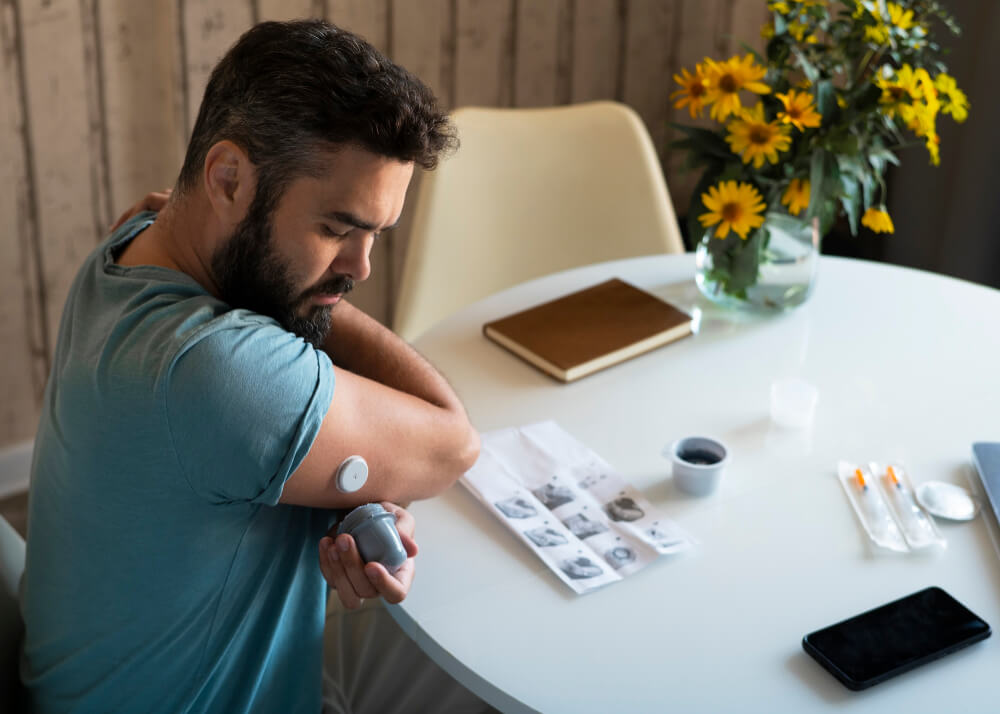
Diabetes is a condition where the body struggles to manage blood sugar levels properly. This happens when your body either doesn’t make enough insulin or can’t use insulin effectively. Erectile dysfunction means having difficulty getting or keeping an erection firm enough for sexual activity. These two conditions share a deep connection because diabetes and erectile dysfunction both affect the same vital systems. Blood flow must stay strong to support sexual response. Nerves need to send clear signals during arousal. Hormone balance must remain stable for desire and performance. When blood sugar stays elevated for months or years, it gradually damages the vessels and nerves that make erections possible. Understanding this relationship helps you protect both your metabolic health and your sexual function over time. Some people may also experience medication-induced erectile dysfunction or high blood pressure erectile dysfunction, which can overlap with diabetic changes.
How Diabetes Affects the Body’s Circulation and Nerve Health
High blood sugar gradually affects how well your blood vessels work. Over time, excess glucose damages the inner lining of arteries and veins. This damage makes vessels stiffer and less responsive. Healthy circulation depends on flexible vessels that can widen when your body needs more blood flow. Nerve pathways also suffer when sugar levels stay high. Nerves rely on steady oxygen and nutrients from blood to function properly. When circulation decreases, nerve signals become weaker or slower. Both circulation and nerve health are essential for sexual response because erections depend on rapid blood flow and quick nerve communication between your brain and your penis.
Why Erections Depend on Strong Blood Flow
An erection forms when blood vessels in the penis widen significantly. This widening allows blood to rush into spongy erectile tissue. As this tissue fills with blood, pressure builds inside the penis. This internal pressure creates firmness and rigidity. The entire process happens quickly when circulation is healthy. Even mild changes in how blood flows can affect this response. If vessels cannot widen fully, less blood enters the penis. If blood pressure inside erectile tissue drops, firmness may fade. Timing can also shift, making it harder to achieve or maintain an erection long enough for sexual activity.
The Role of Nerve Damage in Diabetic Sexual Changes
Diabetes can slowly damage nerves throughout your body. This nerve damage is called neuropathy. Nerves send arousal signals from your brain to your penis during sexual stimulation. When these nerves become damaged, signals may not travel as quickly or as strongly. Disrupted signals lead to delayed response or reduced sensation during sexual activity. Some men with diabetic neuropathy notice that physical touch feels less intense. Others find that arousal takes longer to build even when they feel mentally interested. The longer blood sugar stays uncontrolled, the more likely nerve damage becomes. Protecting your nerves means keeping glucose levels as stable as possible.
How Blood Sugar Levels Influence Sexual Function Daily
High or fluctuating glucose affects more than just blood vessels and nerves. It also influences hormone production, mood, and energy levels. When blood sugar spikes or drops rapidly, you may feel tired or irritable. These mood and energy changes can reduce sexual interest and stamina. Testosterone levels, which play a role in sexual desire, may decrease when diabetes is not well managed. Sexual performance can vary from day to day depending on how stable your glucose has been. Better daily stability often leads to more consistent sexual function. This connection shows why managing blood sugar matters for both overall health and sexual satisfaction.
Type 2 Diabetes and Erectile Dysfunction
Type 2 diabetes and erectile dysfunction appear together frequently because long-term insulin resistance affects both vessel flexibility and nerve function. In type 2 diabetes, cells don’t respond properly to insulin. This resistance causes blood sugar to stay elevated even when insulin is present. Over time, high glucose damages the lining of small blood vessels throughout the body. The penis has some of the smallest arteries in your body, so damage shows up there earlier than in larger vessels. Men with type 2 diabetes often notice erectile difficulties 10 to 15 years earlier than men without diabetes. These changes can appear even before other diabetic symptoms become obvious.
Early Warning Signs That Diabetes Is Affecting Erections
Some early indicators include erections that feel less firm than they used to. Arousal may take longer to build, even with the same level of stimulation. Morning erections, which happen naturally during sleep, may become less frequent or less rigid. Some men notice that erection problems occur more often after meals when blood sugar rises. These changes can appear before a person even knows their glucose levels are elevated. Because erectile changes develop gradually, many men adjust without realizing something has shifted. Paying attention to these early signs can help catch circulation and nerve issues before they become more serious.
Why ED Can Be One of the First Signs of Diabetes
Erectile changes sometimes appear before a formal diabetes diagnosis. This happens because the small blood vessels in the penis respond to circulation problems earlier than larger vessels elsewhere in the body. When glucose levels start rising, vessel damage begins long before symptoms like frequent urination or extreme thirst appear. Sexual performance depends on perfect blood flow and nerve function, so even small amounts of vascular damage can affect erections. For some men, noticing erectile difficulties leads them to see a doctor, which then reveals elevated blood sugar levels. This makes erectile function an important early warning system for metabolic health.
Erectile Dysfunction and Diabetes — Understanding the Two-Way Connection
Erectile dysfunction and diabetes influence each other in both directions. Having diabetes significantly increases your risk of developing ED. Research shows that men with diabetes are three times more likely to experience erectile difficulties than men without diabetes. At the same time, noticing erectile changes can signal that glucose control is worsening. When ED symptoms increase, it may mean that blood sugar has been elevated for a longer period. The combined impact involves damage to nerves, stiffening of blood vessels, and shifts in hormone production. All three systems must work together for healthy sexual function, and diabetes disrupts all three over time.
How Lifestyle Habits Affect Both Conditions
Sleep quality plays a crucial role in regulating both blood sugar and sexual hormones. Poor sleep can worsen insulin resistance and reduce testosterone production. Nutrition provides the foundation for stable glucose levels and healthy circulation. Eating patterns that cause blood sugar spikes also strain blood vessels over time. Stress keeps both glucose and blood pressure elevated, while also reducing sexual interest. Regular movement helps cells respond better to insulin and keeps vessels flexible. Heavy alcohol consumption interferes with glucose control and nerve function. Each of these habits affects both diabetes management and sexual performance, which means improving your lifestyle supports both conditions at once.
When It’s Time to Talk to a Professional
If erection changes happen repeatedly over several weeks, a medical evaluation can help identify the cause. If you already know you have diabetes, discussing sexual changes gives your doctor important information about how well your glucose control is working. A typical conversation at a clinic may include questions about when symptoms started, how often they occur, and what other health conditions you have. Your doctor may also ask about the medicines you take, your stress levels, and your daily habits. Bringing up these concerns early means more options for treatment and better long-term outcomes. Many men feel embarrassed to discuss sexual function, but these conversations are essential for complete health care.
Treatment Approaches That Support Healthy Sexual Function
General treatment options focus on supporting circulation and nerve health. Staying active helps vessels stay flexible and responsive. Reducing stress supports both blood sugar control and sexual desire. Keeping glucose levels stable prevents further damage to nerves and vessels. Clinicians may suggest adjustments to diabetes medicines if certain types seem to affect sexual response. Hydration and balanced nutrition provide the building blocks your body needs for healthy function. Erectile dysfunction treatment medications can be considered as part of a comprehensive approach to care. Each treatment plan is tailored to the individual patient based on their specific health needs, glucose control, and personal goals.
FAQs
Why are diabetes and erectile dysfunction connected?
Diabetes damages blood vessels and nerves throughout the body. Blood vessels need to stay flexible to allow proper circulation.
Can ED be an early sign of diabetes?
Yes, erectile dysfunction can appear before other diabetes symptoms become obvious. The small blood vessels in the penis are affected by circulation changes earlier than larger vessels.
Does better blood sugar control improve sexual performance?
Better glucose control can prevent further damage to blood vessels and nerves. When you keep blood sugar stable, you stop the progression of vascular and nerve problems.
What are common signs of ED in men with diabetes?
Common early indicators include erections that are less firm than before, arousal that takes longer to build, reduced morning erections, and difficulty maintaining firmness during sexual activity.
Can lifestyle habits reduce symptoms?
Yes, healthy habits support both glucose control and sexual function. Regular movement improves insulin sensitivity and keeps blood vessels flexible.
What is the causes of erectile dysfunction?
Physical causes include diabetes, high blood pressure, cardiovascular disease, nerve damage, and hormone imbalances. Lifestyle factors such as smoking, heavy alcohol use, obesity, and lack of exercise also play roles. Psychological factors like stress, anxiety, and depression can worsen erectile difficulties.
When should I seek support from a professional?
You should seek support when erectile difficulties occur repeatedly over several weeks or when symptoms gradually worsen over time. If you have diabetes and notice changes in sexual function, this information helps your doctor assess your overall health.
References (APA)
Malavige, L. S., & Levy, J. C. (2009). Erectile dysfunction in diabetes mellitus. The Journal of Sexual Medicine, 6(5), 1232-1247. https://pubmed.ncbi.nlm.nih.gov/19210706/ Dey, J., & Shepherd, M. D. (2002). Evaluation and treatment of erectile dysfunction in men with diabetes mellitus. Mayo Clinic Proceedings, 77(3), 276-282. https://pubmed.ncbi.nlm.nih.gov/11888032/ Kouidrat, Y., Pizzol, D., Cosco, T., Thompson, T., Carnaghi, M., Bertoldo, A., … & Smith, L. (2017). High prevalence of erectile dysfunction in diabetes: A systematic review and meta-analysis of 145 studies. Diabetic Medicine, 34(9), 1185-1192. https://pubmed.ncbi.nlm.nih.gov/28722225/
$839.99
This product has multiple variants. The options may be chosen on the product page
Save with sets
Unlock savings on bundles and elevate your online experience today!
Age Verification Required
This website contains information on research compounds intended for laboratory use only. You must be 21 years or older to enter and view this content. By entering, you also agree that all products are for research use only and are not intended for human consumption.

 130
130