Erectile Dysfunction After Prostate Treatment: What You Should Expect
Articles
Table of contents
Erectile dysfunction after prostate treatment is a common challenge many men face during cancer care. This condition means difficulty achieving or maintaining an erection firm enough for sexual activity. The prostate sits near nerves and blood vessels that control erections. When treatments target cancer cells, they can affect these structures. Many men experience changes in sexual function, but recovery is often possible with time and proper support. Understanding what to expect helps you prepare for the journey ahead.
Why Prostate Treatment Affects Erectile Function
The prostate gland sits directly below the bladder and surrounds the urethra. The urethra is the tube that carries urine from the bladder. Tiny bundles of nerves run along each side of the prostate. These nerves send signals from your brain to the penis. The signals tell blood vessels to open and allow blood flow into the penis. This blood flow creates an erection.
Surgery and radiation must pass through or near these delicate nerve structures. Even skilled surgeons working carefully can cause temporary nerve disruption. Think of it like stretching a rubber band. The nerves need time to recover their normal signaling ability. Blood vessels can also develop scar tissue from treatment. This scarring makes it harder for blood to flow freely into the penis.
Nerve-sparing techniques aim to protect these critical structures during surgery. Surgeons use special tools to identify and preserve the nerve bundles. When nerves remain intact, recovery tends to happen faster. However, even with nerve-sparing approaches, some temporary dysfunction is normal.
Types of Prostate Treatments and Their Impact on Erections
Erectile dysfunction and aging become more complex after different prostate treatments. Radical prostatectomy means the complete removal of the prostate gland. This surgery offers the most direct approach to removing cancer. It also has the highest initial impact on erectile function. Most men lose their erectile ability immediately after surgery. Recovery can take months to years, depending on nerve preservation and individual factors.
Radiation therapy uses high-energy beams to kill cancer cells. This treatment affects erectile function more gradually than surgery. Many men maintain some function initially. Problems develop slowly over months or years as radiation causes tissue changes. The cumulative effect on blood vessels and nerves becomes apparent with time. Hormone therapy lowers testosterone levels to slow cancer growth. Testosterone plays a key role in sexual desire and function. This treatment reduces libido and makes achieving erections more difficult.
Common Erections Changes After Prostate Treatment
Many men notice reduced firmness when erections do occur. The penis may become partially firm but not rigid enough for penetration. Others experience delayed response time. What once took seconds might now take minutes or require more stimulation. Spontaneous morning erections often disappear temporarily.
Sensation during sexual activity usually remains intact. You can still experience pleasure from touch and stimulation. Orgasm is possible even without a firm erection. The intensity might feel different than before treatment.
Relationship dynamics shift when sexual function changes. Partners may feel uncertain about how to provide support. Open communication becomes essential for maintaining intimacy. Many couples find new ways to express affection and connection. Performance anxiety erectile dysfunction can develop when men worry about their ability to perform sexually. This worry creates additional stress that makes erections even more difficult to achieve.
Erectile Dysfunction Treatment After Prostate Cancer
Erectile dysfunction treatment after prostate cancer focuses on restoring blood flow and supporting nerve recovery. Healthcare providers develop personalized plans based on your specific situation. These plans consider the type of treatment you received and how much time has passed since treatment. They also factor in your age, overall health, and relationship goals.
Treatment aims to protect penile tissue during the recovery period. When nerves are healing, regular blood flow keeps tissues healthy. Without periodic erections, the penis can develop structural changes. These changes make future erections more difficult. Early intervention helps prevent long-term problems.
Multiple treatment options exist with different mechanisms of action. Some work by dilating blood vessels. Others provide mechanical support for achieving firmness. Your doctor helps determine which approaches suit your needs. Many men try several options before finding what works best.
Treatment Erectile Dysfunction After Prostate Removal
Treatment of erectile dysfunction after prostate removal depends heavily on surgical technique. Men who undergo nerve-sparing prostatectomy have better recovery potential. Their nerves remain connected but need time to heal. This healing process typically takes 12 to 24 months. Some men see gradual improvement within 6 months.
Non-nerve-sparing surgery removes the nerves along with the prostate. Recovery becomes more challenging when nerves are sacrificed. However, blood vessel health still matters for treatment success. Even without intact nerves, medications and devices can help achieve functional erections.
Starting rehabilitation early offers advantages for tissue preservation. Beginning treatment in the first few weeks after surgery maintains blood flow. This consistent oxygenation keeps penile tissues supple and responsive. Waiting too long allows structural changes to set in. These changes become harder to reverse over time.
Early Recovery and Penile Rehabilitation
Penile rehabilitation means using treatments soon after prostate surgery or radiation. The goal is to maintain regular blood flow to the penis. This blood flow delivers oxygen and nutrients to tissues. Well-oxygenated tissues remain healthy and elastic. They respond better when natural function begins returning.
Many rehabilitation programs start within weeks of surgery. They continue for months while nerves heal. The approach combines multiple strategies for maximum benefit. Regular use prevents scar tissue formation inside the penis. It also helps maintain penile length and girth.
Common rehabilitation tools include oral medications and vacuum devices. These create erections on a schedule rather than waiting for spontaneous function. The erections don’t need to be used for sex. Their purpose is tissue health maintenance. Many men find that this routine becomes part of their recovery plan.
Medical and Non-Medical Treatment Options
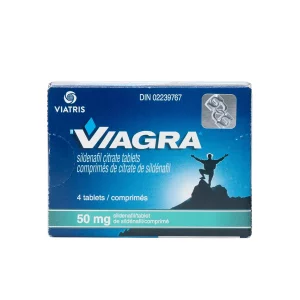
Oral medications work by enhancing blood flow signals. They help blood vessels relax and open more easily. These pills need some nerve function to work effectively. They perform best when taken regularly during recovery. Most men notice a gradual improvement with consistent use.
Vacuum pumps create erections through mechanical means. They don’t require working nerves or medications. A cylinder fits over the penis and creates negative pressure. This pressure draws blood into the penis. A ring at the base traps blood and maintains firmness. Studies show that about 80% of men find vacuum pumps successful.
Injections deliver medication directly into the penis. This creates an erection within minutes regardless of nerve function. The medication relaxes smooth muscle and opens blood vessels. Many men use injections as a bridge during nerve recovery. Daily erectile dysfunction support tips include proper injection technique and medication storage for best results.
Penile implants offer a permanent solution for severe dysfunction. A surgeon places inflatable or malleable rods inside the penis. These devices allow on-demand erections. Most doctors recommend waiting two years before considering implants. This waiting period gives nerves maximum time to heal.
Sex therapy provides emotional and relationship support during recovery. Therapists help couples navigate changes in intimacy. They teach communication skills and relationship strategies. Many men benefit from addressing the psychological aspects of sexual dysfunction.
How Long Erectile Recovery Usually Takes
Recovery timelines vary widely between individuals. Some men see improvement within 3 to 6 months. Others require 18 to 24 months for maximum recovery. About 40 to 60% of men with nerve-sparing surgery eventually regain function. The percentage drops significantly when nerves cannot be preserved.
Younger men generally recover faster than older men. Pre-treatment erectile function strongly predicts post-treatment outcomes. Men with excellent function before surgery have better recovery prospects. Those with pre-existing dysfunction face greater challenges. Nerve preservation during surgery dramatically influences final results.
Emotional and Relationship Impact of Post-Treatment Erectile Dysfunction
Sexual dysfunction affects self-confidence and masculine identity. Many men struggle with feelings of inadequacy or loss. These emotions are normal responses to significant life changes. Acknowledging them openly helps with psychological adjustment. Support groups connect you with others facing similar challenges.
Stress about sexual performance creates a cycle of anxiety. Worry makes erections more difficult to achieve. Failed attempts increase anxiety further. Breaking this cycle requires patience and perspective. Focus shifts from performance to pleasure and connection. Partners play a crucial role in this mindset adjustment.
When to Speak With a Doctor About Ongoing Erectile Problems
Contact your doctor if the function doesn’t improve within the expected timeframes. For nerve-sparing surgery, some response should appear by 6 to 12 months. Complete lack of progress warrants evaluation. Your doctor can assess whether current treatments are working. They may suggest trying different approaches or combinations.
Sudden loss of function after initial improvement needs attention. This pattern might indicate new vascular problems. It could also suggest medication issues or other health changes. Persistent pain with erections or sexual activity requires prompt evaluation. Pain is not a normal part of recovery.
FAQs
How soon after prostate treatment can erections return?
Recovery timing depends on treatment type and individual factors. Some men notice initial improvement within 3 months of nerve-sparing surgery.
Is erectile dysfunction permanent after prostate treatment?
Many men recover partial or full erectile function over time. Studies show 40 to 60% of men with nerve-sparing surgery regain useful function.
Does nerve-sparing surgery improve erectile recovery?
Nerve-sparing techniques significantly improve recovery prospects. Preserving the neurovascular bundles maintains the connection between the brain and the penis.
Can erectile dysfunction after prostate cancer be treated successfully?
Yes, multiple effective treatments exist for post-treatment erectile dysfunction. Oral medications help when some nerve function remains. Vacuum devices work regardless of nerve status. Injections provide reliable erections in most cases. Penile implants offer permanent solutions. About 75% of men achieve satisfactory erections with some form of treatment.
What can I do to support erection recovery at home?
Regular physical activity improves cardiovascular health and blood flow. Maintain a healthy weight through balanced nutrition. Avoid tobacco products that damage blood vessels. Limit alcohol consumption. Follow your rehabilitation program consistently. Use prescribed treatments on schedule even without immediate results. Communicate openly with your partner about needs and feelings.
Nicolai, M., Urkmez, A., Sarikaya, S., Fode, M., Falcone, M., Albersen, M., Gul, M., Hatzichristodoulou, G., Capogrosso, P., & Russo, G. I. (2021). Penile rehabilitation and treatment options for erectile dysfunction following radical prostatectomy and radiotherapy: A systematic review. Frontiers in Surgery, 8, 636974. https://pubmed.ncbi.nlm.nih.gov/33738297/
$839.99
This product has multiple variants. The options may be chosen on the product page
Save with sets
Unlock savings on bundles and elevate your online experience today!
Age Verification Required
This website contains information on research compounds intended for laboratory use only. You must be 21 years or older to enter and view this content. By entering, you also agree that all products are for research use only and are not intended for human consumption.

 132
132