When to See a Doctor for Erectile Dysfunction: Signs It’s Time
Articles
Table of contents
Erectile dysfunction happens when a man has difficulty getting or keeping an erection firm enough for sex. This means the penis doesn’t stay hard long enough. It’s common for this to happen once in a while. Stress, tiredness, or too much alcohol can cause temporary problems. This doesn’t mean something is wrong.
However, when erectile dysfunction becomes a pattern, it can point to deeper health concerns. Your ability to get erections reflects how well blood flows through your body. It shows how your nerves and hormones are working. Many men feel embarrassed about this issue. But seeking medical help is a normal and important step. Doctors treat this condition every day. This article will explain the warning signs of when to see a doctor for erectile dysfunction. It will help you understand when it’s time to take action.
Why Erectile Dysfunction Should Not Be Ignored
Erections depend on healthy blood flow to the penis. This process requires your blood vessels to expand. Your nerves must send the right signals. When these systems don’t work well, ED can develop. This is why doctors care so much about erectile dysfunction. It often serves as an early warning sign.
ED may signal heart disease before chest pain ever appears. It can point to circulation problems or hormone imbalances. The blood vessels in the penis are smaller than those around your heart. This means vascular problems show up there first. Temporary erectile issues are one thing. But ongoing problems need medical attention. Early evaluation protects your long-term health.
When to See a Doctor for Erectile Dysfunction
Knowing when to see a doctor for erectile dysfunction makes a real difference. If you have trouble with erections more than 25% of the time, schedule a visit. This means one out of every four attempts fails. That pattern suggests something beyond temporary stress.
You should also see a doctor if your symptoms are getting worse. Perhaps erections were firm six months ago, but are weaker now. Progressive changes matter. Morning erections that disappear completely deserve attention, too. These spontaneous erections are a healthy sign. Their absence can indicate a physical problem that needs treatment.
Sudden vs Gradual Onset of Erectile Problems
Sudden ED usually has different causes than gradual ED. When erections stop working quickly, think about recent changes. Did you start a new medication? Blood pressure pills can cause ED. Antidepressants sometimes do too. High stress or anxiety can also trigger sudden changes. Even a scary experience can temporarily affect erectile function.
Gradual ED often relates to aging or chronic conditions. Blood vessels naturally stiffen over time. Hormone levels drop slowly. Diabetes damages nerves gradually. These changes happen over months or years. Recognizing whether your ED appeared suddenly or slowly helps doctors find the cause faster.
Physical Symptoms That Should Prompt a Doctor Visit
Certain physical signs mean you need a medical evaluation right away. Pain during erection is not normal. If your penis hurts when it’s hard or during sex, see a doctor. Changes in penis shape also matter. A curve that wasn’t there before could signal Peyronie’s disease. This condition involves scar tissue in the penis.
Loss of sensitivity is another red flag. If touch doesn’t feel the same, nerves may be affected. Combining erectile difficulty with constant fatigue requires attention. Low energy plus ED might mean low testosterone or other hormone problems. These physical symptoms often have medical causes that treatment can address.
Emotional and Mental Health Signs That Warrant Medical Support
ED and mental health connect closely. Anxiety about performance can make erections harder to achieve. This creates a frustrating cycle. You worry about ED, which makes ED worse. Depression also impacts sexual function directly. It affects your interest in sex and your body’s physical responses.
When relationship problems erectile dysfunction creates persist, professional help matters. Sexual difficulties strain partnerships. Partners may feel rejected or confused. Open communication helps, but sometimes couples need guidance. If emotional distress around ED lasts more than a few weeks, talk to your doctor. They can connect you with the right resources.
ED as a Warning Sign of Other Medical Conditions
Erectile dysfunction often serves as the body’s first alarm bell. Research shows ED can appear two to three years before heart disease symptoms. Men with ED face higher risks of heart attacks and strokes. This connection exists because both conditions involve blood vessel health.
Hormone problems like low testosterone also cause ED. Your body needs testosterone for sexual desire and function. Nerve damage from diabetes frequently leads to erectile issues, too. Diabetes affects the nerves that control erections. Enlarged prostate conditions can contribute to the problem as well. Some prostate cancer treatments cause ED as a side effect. Recognizing these links helps doctors prevent serious complications.
Age, Lifestyle, and Risk Factors That Increase the Need for Evaluation
Age increases your risk of developing ED. Blood vessels become less flexible with time. Hormone levels naturally decline. About 40% of men in their 40s experience some ED. This number rises to 70% by age 70. But age alone doesn’t mean you should ignore the problem.
Lifestyle choices matter tremendously. Smoking damages blood vessels throughout your body. This includes the small vessels in your penis. Being inactive worsens circulation. Poor sleep disrupts hormone production. Chronic stress keeps your body in fight-or-flight mode. This makes relaxation for sex difficult. These factors combine over time. Making healthy changes can help, but you still need medical evaluation.
What Happens During a Doctor Visit for ED
Your doctor will start by asking about your medical history. They’ll want to know when ED started. How often does it happen? Are morning erections present? They’ll ask about medications, smoking, and alcohol use. These conversations are private and judgment-free.
A physical exam comes next. The doctor checks your blood pressure and examines your body. They look at your penis and testicles for any obvious problems. Blood tests often follow. These tests check testosterone levels. They measure blood sugar to screen for diabetes. They look at cholesterol to assess heart risk. This process identifies treatable causes.
Treatment Options a Doctor May Discuss
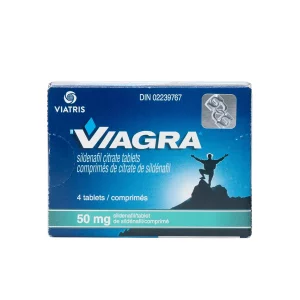
Many effective treatments exist for ED. Oral medications work well for most patients. These pills help blood flow to the penis. They include sildenafil and tadalafil. You take them before sexual activity. They don’t create automatic erections. Sexual stimulation is still needed. These medications help your body respond normally.
Lifestyle changes form another important treatment approach. Losing weight improves blood flow. Exercise strengthens your cardiovascular system. Quitting smoking makes a major difference. Managing stress through therapy or relaxation techniques helps too. Sometimes doctors refer patients to specialists. A urologist has special training in these conditions. A cardiologist may be involved if heart disease is present. Visit a trusted place to buy erectile dysfunction medications only after a proper medical evaluation.
Why Early Medical Care Improves Outcomes
Getting help early prevents long-term damage. When can erectile dysfunction improve depends partly on when you seek treatment. Caught early, many causes of ED respond well to intervention. Lifestyle changes work best before the disease progresses too far. Medications are more effective when blood vessels aren’t severely damaged.
Early treatment also catches serious conditions sooner. Finding heart disease through ED evaluation saves lives. Identifying diabetes early prevents complications. Regular follow-up with your doctor ensures treatments keep working. It allows adjustments as your needs change. Most importantly, early care restores quality of life faster.
FAQs
How long should erectile dysfunction last before seeing a doctor?
If ED happens more than 25% of the time for three months, see a doctor. Don’t wait if symptoms are rapidly worsening. Sudden, complete loss of erections also warrants immediate evaluation. When in doubt, schedule an appointment.
Can ED go away without treatment?
Sometimes, temporary ED resolves with lifestyle changes. Reducing stress, exercising more, and sleeping better can help. However, persistent ED rarely goes away on its own. The underlying causes usually need treatment. Even if symptoms improve, evaluation is wise to rule out serious conditions.
Is ED always a sign of a serious health problem?
Not all ED indicates a dangerous disease. Stress, fatigue, and relationship issues cause reversible ED. However, persistent ED should always be evaluated. Only a doctor can determine whether your ED signals a serious condition. Don’t self-diagnose or self-treat.
What type of doctor should I see for erectile dysfunction?
Start with your primary care doctor. They can evaluate basic causes and order initial tests. They may prescribe first-line treatments. If needed, they’ll refer you to a urologist. Urologists are specialists in male sexual health. They handle complex cases and offer advanced treatments.
Should younger men see a doctor for ED?
Yes. Age doesn’t eliminate the need for evaluation. Young men with persistent ED should seek care. The causes may differ from those of older men, but medical attention matters. In younger patients, ED can point to serious underlying conditions. It may indicate diabetes, circulation problems, or hormone imbalances. Early treatment protects future health.
References
Dong, J. Y., Zhang, Y. H., & Qin, L. Q. (2011). Erectile dysfunction and risk of cardiovascular disease: meta-analysis of prospective cohort studies. Journal of the American College of Cardiology, 58(13), 1378-1385. https://pubmed.ncbi.nlm.nih.gov/21920268/
Thompson, I. M., Tangen, C. M., Goodman, P. J., Probstfield, J. L., Moinpour, C. M., & Coltman, C. A. (2005). Erectile dysfunction and subsequent cardiovascular disease. JAMA, 294(23), 2996-3002. https://pubmed.ncbi.nlm.nih.gov/16414947/
$839.99
This product has multiple variants. The options may be chosen on the product page
Save with sets
Unlock savings on bundles and elevate your online experience today!
Age Verification Required
This website contains information on research compounds intended for laboratory use only. You must be 21 years or older to enter and view this content. By entering, you also agree that all products are for research use only and are not intended for human consumption.

 130
130