Senolytics are compounds that target and remove senescent (aging) cells that accumulate throughout the body over time. Removing senescent cells is important for reducing inflammation, improving tissue health, and potentially slowing aspects of aging.
There is now a growing list of senolytic compounds, both natural and synthetic, supported by emerging research. These compounds work through different mechanisms to selectively clear harmful aging cells while preserving healthy ones.
This article covers well-known and newly discovered senolytics, their mechanisms, and how they may be applied for healthy aging. We’ll explore connections to senolytics in foodas natural sources and discuss some surprisingly effective approaches.
Understanding Senolytics and Their Role in Healthy Aging
Senescent cells accumulate over time when cells reach their division limit, experience DNA damage, or face severe stress. These cells stop reproducing but don’t die naturally; instead, they remain in tissues.
Some side effects of senescent cells manifest as inflammation and getting in the way of tissue function through their secretory profile. This creates toxic environments that damage nearby healthy cells and organs.
Senolytics work by selectively clearing these cells without harming healthy ones through targeting specific vulnerabilities that senescent cells develop. This selectivity makes senolytic therapy promising for aging intervention.
Criteria for Inclusion in the List of Senolytics
Scientific evidence, mechanism of action, and repeatable results qualify a compound as a senolytic. Compounds must demonstrate the ability to selectively kill senescent cells in controlled studies.
The difference between confirmed senolytics and compounds with early evidence depends on the strength and consistency of research data. Some compounds show strong evidence while others remain experimental.
Senolytic compounds differ from senomorphics, which modify cell behavior rather than removing cells entirely. Understanding this distinction, like senolytic vs senomorphic, helps categorize different approaches to aging intervention.
List of Effective Senolytics
Well-recognized senolytics based on research evidence include several categories of compounds with different origins and mechanisms of action.
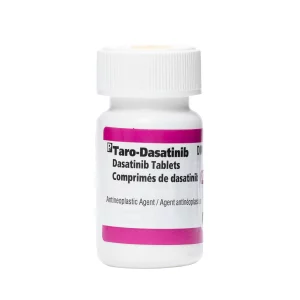
Dasatinib + Quercetin represents a well-studied combination in human trials showing senolytic effects. This pairing combines a cancer drug with a natural flavonoid for enhanced cell clearance.
Fisetin is a natural flavonoid with strong preclinical data for senolytic activity. Found in strawberries and other fruits, fisetin shows potent effects in animal studies.
Navitoclax (ABT-263) is a pharmaceutical senolytic targeting BCL-2 proteins that help senescent cells survive. This compound shows strong senolytic activity but requires careful dosing.
Piperlongumine represents a natural alkaloid studied for cell clearance effects. Derived from long pepper, this compound shows selective toxicity toward senescent cells.
For each compound, sources include natural plant origins or synthetic pharmaceutical development. Known mechanisms involve targeting senescent cell survival pathways or promoting their death. Key findings from studies demonstrate senolytic activity and potential benefits. If you’re thinking of trying it out, explore options tobuy senolytics supplements online, right here!
New and Emerging Senolytic Compounds
Recent additions to the list of senolytic compounds come from ongoing research identifying new targets and mechanisms. Scientists continue discovering natural compounds and developing synthetic agents.
Experimental agents in early clinical or preclinical stages include novel pharmaceuticals and plant-derived compounds. These emerging senolytics may offer improved selectivity or reduced side effects.
Novel approaches include peptides designed to target senescent cells, gene therapy vectors for senolytic delivery, and nanoparticle-based senolytics for targeted tissue delivery.
Natural Senolytics Found in Foods and Plants
Natural compounds with senolytic properties come from common foods and plants that people consume regularly. Quercetin from apples and onions shows senolytic activity in combination with other compounds.
Fisetin, which comes from strawberries, demonstrates strong senolytic effects in research studies. Curcumin from turmeric provides anti-inflammatory and senolytic effects. Theaflavins from black tea show potential senolytic activity.
Dietary sources generally contain lower doses than used in clinical trials, requiring consistent consumption for potential benefits. Natural senolytics may provide gentler effects suitable for long-term use.
Mechanisms of Action Across Different Senolytics
Common mechanisms include BCL-2 inhibition, oxidative stress modulation, and immune activation to clear senescent cells. Different senolytics may target multiple pathways simultaneously.
Synthetic versus natural senolytics may work through different mechanisms with varying potency and selectivity. Pharmaceutical senolytics often target specific molecular pathways with high precision.
Targeting multiple pathways for optimal effects may provide better senolytic activity than single-mechanism approaches. Combination therapies often show enhanced effectiveness in research studies.
Potential Benefits of Senolytic Use
Clearing senescent cells may provide several outcomes, including reduced inflammation throughout the body. This can improve tissue regeneration and repair processes while supporting immune system function.
Better organ function may result from removing senescent cells that impair normal tissue function. Enhanced mobility and vitality in older age represent important quality-of-life benefits. Improved muscle strength and endurance may occur when senescent cells are cleared from muscle tissue.
Promising results from animal and early human studies suggest senolytics may help maintain function and independence as people age. Cognitive benefits may emerge as brain inflammation decreases. Cardiovascular health improvements could result from reduced arterial inflammation and better blood vessel function.
However, more research is needed to confirm long-term benefits and establish optimal treatment protocols for different populations.
Limitations and Considerations
Most senolytic research remains in early stages with limited long-term human data. Safety profiles and optimal dosing schedules require further investigation.
Dosing challenges, potential interactions, and individual differences create uncertainty around senolytic use. Clinical trials continue exploring these important questions.
More human trials are needed before widespread use of senolytics can be recommended. Current evidence supports continued research rather than routine clinical use.
Final Thoughts
The expanding list of senolytics represents one of the most promising frontiers in aging research and healthy longevity. From natural compounds found in everyday foods like strawberries and onions to sophisticated pharmaceutical agents, we now have multiple options for targeting senescent cells that contribute to age-related decline.
While the field remains in its early stages, the diversity of senolytic compounds offers hope for personalized approaches to healthy aging. Natural senolytics provide accessible entry points for those interested in dietary approaches, while pharmaceutical options may offer more targeted interventions for specific conditions.
The key lies in understanding that senolytics are tools, not magic bullets. They work best as part of comprehensive healthy aging strategies that include proper nutrition, regular exercise, stress management, and quality sleep. As research progresses, we can expect more refined compounds, better dosing protocols, and clearer guidelines for who might benefit most.
The future likely holds combination therapies that target multiple aging pathways simultaneously, bringing us closer to the goal of extending healthspan, the years we live in good health, rather than simply extending lifespan.
FAQs
What is included in the list of senolytics?
The list of senolytics contains both natural and synthetic compounds with evidence of removing senescent cells. This includes pharmaceutical drugs, plant-derived compounds, and combination therapies.
Are natural senolytics as effective as pharmaceutical ones?
Natural senolytics may have gentler effects and work more slowly than pharmaceutical options, but they may still support healthy aging. They often have better safety profiles for long-term use.
Can senolytics reverse aging?
Senolytics cannot stop or reverse aging entirely but may reduce some age-related decline. They work by removing harmful cells rather than fundamentally changing the aging process.
How often should senolytics be taken?
Research is still determining optimal dosing schedules for different senolytics. Most studies use intermittent dosing rather than daily treatment to minimize potential side effects.
What is the difference between senolytics and senomorphics?
Senomorphics modify senescent cell behavior without killing them, while senolytics remove these cells entirely. Both approaches may be useful for aging intervention in different contexts.
References (APA)
Chaib, S., Tchkonia, T., & Kirkland, J. L. (2022). Cellular senescence and senolytics: the path to the clinic. Nature Medicine, 28(8), 1556-1568. https://pubmed.ncbi.nlm.nih.gov/35953721/
Hickson, L. J., Langhi Prata, L. G. P., Bobart, S. A., Evans, T. K., Giorgadze, N., Hashmi, S. K., … & Kirkland, J. L. (2019). Senolytics decrease senescent cells in humans: Preliminary report from a clinical trial of Dasatinib plus Quercetin in individuals with diabetic kidney disease. EBioMedicine, 47, 446-456. https://pubmed.ncbi.nlm.nih.gov/31542391/
Kirkland, J. L., & Tchkonia, T. (2020). Senolytic drugs: from discovery to translation. Journal of Internal Medicine, 288(5), 518-536. https://pubmed.ncbi.nlm.nih.gov/32686219/
Xu, M., Pirtskhalava, T., Farr, J. N., Weigand, B. M., Palmer, A. K., Weivoda, M. M., … & Kirkland, J. L. (2018). Senolytics improve physical function and increase lifespan in old age. Nature Medicine, 24(8), 1246-1256. https://pubmed.ncbi.nlm.nih.gov/29988130/
Yousefzadeh, M. J., Zhu, Y., McGowan, S. J., Angelini, L., Fuhrmann-Stroissnigg, H., Xu, M., … & Niedernhofer, L. J. (2018). Fisetin is a senotherapeutic that extends health and lifespan. EBioMedicine, 36, 18-28. https://pubmed.ncbi.nlm.nih.gov/30279143/
$839.99
This product has multiple variants. The options may be chosen on the product page
Save with sets
Unlock savings on bundles and elevate your online experience today!
Age Verification Required
This website contains information on research compounds intended for laboratory use only. You must be 21 years or older to enter and view this content. By entering, you also agree that all products are for research use only and are not intended for human consumption.

 130
130