Losing just 5% of your body weight? It’s a realistic and achievable health goal. You think you need to lose a lot of weight to improve your health, but research shows that even small, steady weight loss offers measurable benefits. You don’t need to reach your ideal weight to start feeling better. Do well, don’t chase perfection. If you stick to a modest weight reduction, you can make a significant difference in your overall health and well-being.
This article covers everything you need to know. From the physical, the metabolic, to the lifestyle improvements linked to a 5% reduction in body weight. We will explain why this goal is manageable and the positive impact it can have on your body and mind. Individual results may vary, so always consult your care team about your best goals. You might even buy weight loss injection online if they advise this course of action!
Understanding 5% Weight-loss
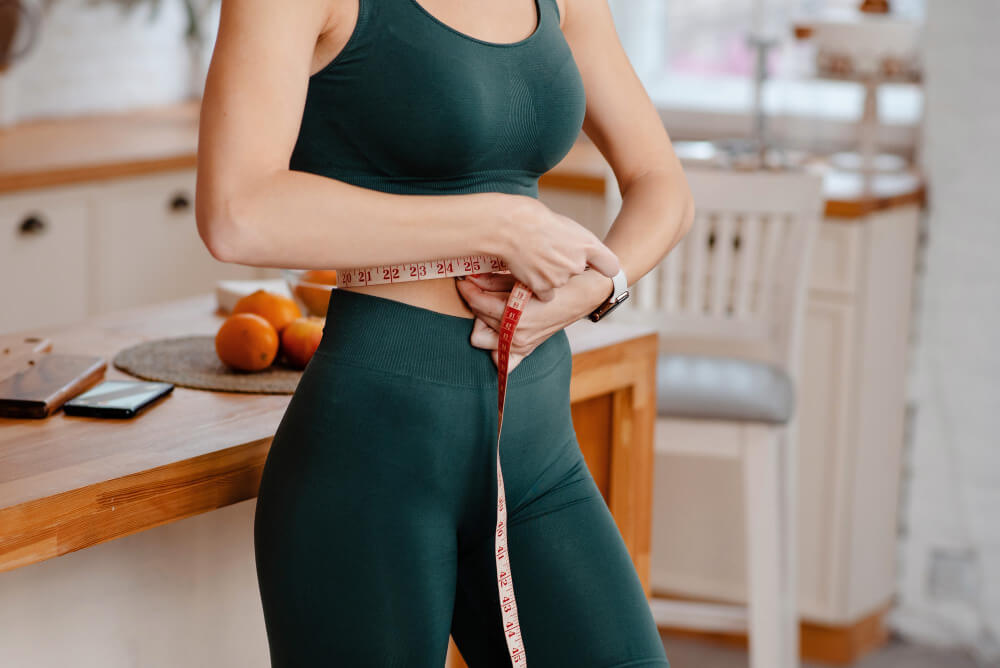
How much is 5 percent weight loss, and what does it mean in real terms? It’s simpler than you might think. There are a lot of ways to put this in layman’s terms, but math doesn’t lie. So, if you weigh 200 pounds, losing 5% means shedding just 10 pounds. If you weigh 160 pounds, the goal is 8 pounds, and at 180 pounds, it’s 9 pounds.
This amount of weight loss is really easy to achieve and is a great starting point. If you want a good starting point and a confidence boost that screams ‘You can go even further beyond!’, this is it. You can also trust the science on this. Research shows that gradual, steady weight loss is more likely to last than quick or drastic changes. Your body starts to respond positively even before you reach major milestones. That means benefits can begin early in your weight loss journey.
Setting this goal makes your weight loss efforts less overwhelming and encourages a healthy lifestyle rather than extreme diets.
Physical Health Improvements
One of the first benefits of 5 percent body weight loss is a reduction in blood pressure. Extra weight forces your heart to work harder to pump blood. Losing even a small amount can ease this strain, lowering your blood pressure naturally. This change reduces your risk of heart disease and stroke.
Your cholesterol levels can also improve. Weight loss helps increase your HDL (good cholesterol) and reduce LDL (bad cholesterol). Good cholesterol helps remove harmful fats from your bloodstream, protecting your heart.
Another key benefit is a lower risk of developing type 2 diabetes. Losing weight helps your body better manage blood sugar. In one study, participants who lost 5% showed improved insulin sensitivity and better function in insulin-producing cells. This means your body can process sugar more efficiently, lowering your diabetes risk.
If you combine weight loss with habits like Walking After Eating, the effects on blood sugar and heart health may improve further.
Metabolic Benefits
Weight loss improves how your body handles insulin, the hormone that controls blood sugar. Many people have insulin resistance, where insulin doesn’t work properly, leading to high blood sugar. Losing 5% of your weight can increase insulin sensitivity, meaning your body uses insulin more effectively.
Weight loss also reduces inflammation, a harmful process linked to many diseases. Fat cells, especially around the belly, release substances that cause inflammation. Losing weight decreases these substances, promoting better overall health. Hormones also balance better with weight loss. This can improve your energy, control hunger, and help you sleep. Stable hormone levels often lead to more consistent energy throughout the day and less overeating.
Joint and Mobility Benefits
Carrying extra weight puts pressure on your joints, especially your knees and hips. Just 10 extra pounds can add 40 pounds of pressure on these joints. Over time, this pressure wears down cartilage, leading to pain and stiffness.
Losing weight reduces this pressure, which can ease joint pain, especially for people with osteoarthritis. Less pain means moving is easier, so you can stay more active and enjoy daily activities.
Weight loss can increase your range of motion and physical tolerance. Many find it easier to walk longer distances or climb stairs when they carry less weight. Improved mobility encourages a more active and healthy lifestyle.
Gentle approaches can also support your weight loss, and remove stress from your joints. If you’re really curious, check out what is intuitive eating.
Mental and Emotional Benefits
Losing weight often boosts self-confidence and body image. Achieving a small goal like 5% weight loss builds momentum for further success. Many people feel proud and motivated to keep healthy habits.
Physical activity and weight loss release chemicals called endorphins, which improve mood and reduce stress. Research shows that people with depression often feel better after losing weight.
Studies also suggest that losing weight lowers the risk of depression and anxiety. Better sleep, more physical activity, and improved self-image all contribute to better mental health.
Long-term Health Impact
Reducing weight by 5% lowers your long-term risk of heart disease and stroke. Maintaining a healthy weight protects your cardiovascular system. Even modest weight loss can have a lasting effect on your heart health.
Weight loss may improve symptoms of sleep apnea, a condition where breathing stops briefly during sleep. Extra weight around the neck can block airways. Losing weight helps open these airways, leading to better sleep and more energy. Weight loss may also reduce the risk of certain cancers linked to obesity. For example, research shows that older women who lost at least 5% of their weight had a lower risk of breast cancer.
How to Achieve a Sustainable 5% Weight-loss
Successful weight loss focuses on small, manageable changes. Instead of extreme diets, practice portion control and balanced nutrition. Choose whole, unprocessed foods whenever possible. Regular, moderate exercise helps with weight loss and keeps it off. You don’t need intense workouts. Walking, swimming, or any enjoyable activity for about an hour most days works well. Be sure to get advice from your healthcare provider before starting a new exercise routine.
Tracking your progress in different ways is helpful. Measure your body, note how your clothes fit, and observe energy levels instead of just focusing on the scale. Some people may choose to buy weight loss injection options under medical supervision. Always work with healthcare professionals for safe weight loss methods.
FAQs
How much is 5 percent weight loss for me?
To find your goal, multiply your current weight by 0.05. For example, if you weigh 180 pounds:
180 × 0.05 = 9 pounds. If you weigh 220 pounds: 220 × 0.05 = 11 pounds. This calculation gives you a clear, achievable target.
How long should it take to lose 5 percent body weight?
Safe weight loss is usually 1-2 pounds per week. So, losing 10 pounds may take 5 to 10 weeks. Gradual loss helps you keep the weight off longer. Your healthcare provider can help set a timeline that suits you.
Can I maintain the benefits if I don’t lose more than 5 percent?
Yes. Many benefits remain when weight loss is stable and combined with healthy habits. Studies show even a 3 to 5% loss improves health markers like blood pressure and cholesterol.
Is 5 percent weight loss enough to improve my health?
For most people, yes. A 5% loss brings measurable benefits. However, some may gain more benefits with additional weight loss. Your doctor can advise what’s best for you.
Do I need to exercise to lose 5 percent of my body weight?
Exercise improves weight loss success and helps maintain it. It also provides mood, energy, and heart health benefits. While diet can cause weight loss alone, adding activity is recommended for lasting results.
Ryan, D. H., & Yockey, S. R. (2017). Weight loss and improvement in comorbidity: Differences at 5%, 10%, 15%, and over. Current Obesity Reports, 6(2), 187-194. https://pubmed.ncbi.nlm.nih.gov/28455679/
$839.99
This product has multiple variants. The options may be chosen on the product page
Save with sets
Unlock savings on bundles and elevate your online experience today!
Age Verification Required
This website contains information on research compounds intended for laboratory use only. You must be 21 years or older to enter and view this content. By entering, you also agree that all products are for research use only and are not intended for human consumption.

 130
130