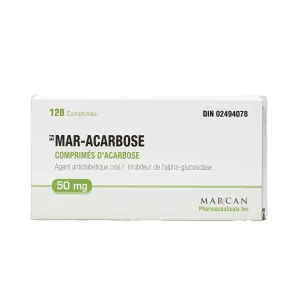
You might not know this, but chronic inflammation quietly drives aging, raising risks for heart disease, arthritis, and more. For anyone interested in longevity, it’s important to focus on the cellular background of things. Yet, by managing inflammation at its source, you’re investing in long-term vitality. Acarbose cardiovascular benefits emerge as a subtle yet powerful addition to anti-inflammatory strategies. While originally developed to manage blood sugar, it’s also now potentially useful for other ventures, like Acarbose for PCOS. Today’s guide dives into how Acarbose reduces inflammation, revealing everything from cellular mechanisms to real-world impact.
Understanding Inflammation and Its Impact on Health
Before we talk about how or if Acarbose fits into your daily schedule, as well as how to get Acarbose, we should discuss inflammation.
Inflammation is like an alarm bell, just for your body. It triggers a defense response when you’re injured or ill. Acute inflammation (like when you get a scrape) helps with healing and usually resolves within days. But chronic inflammation is low-level and persistent, wreaking silent havoc over months or years. This ongoing state contributes to aging, cardiovascular issues, type 2 diabetes, arthritis, and even neurodegenerative diseases. Reducing chronic inflammation is vital for longevity.
What is Acarbose and How Does It Work?
Acarbose is a medication that blocks enzymes, specifically alpha-glucosidase and alpha-amylase, in your small intestine. These enzymes normally break down complex carbs into sugars your body absorbs. By blocking them, acarbose slows this sugar release, preventing sharp glucose rises after meals. This gentle control of blood sugar is why researchers uncovered its anti-inflammatory effects.
The Connection Between Blood Sugar and Inflammation
After meals, high blood sugar, especially sudden spikes, can activate immune cells and inflammatory pathways. These glucose surges trigger oxidative stress, cellular damage, and inflammatory signals like NF-κB. The result? A cascade of inflammatory reactions across your body. Consistent blood sugar control helps break this cycle, reducing overall inflammation.
Research on Acarbose and Cardiovascular Risk
Clinical trials have explored acarbose’s cardiovascular effects. The STOP-NIDDM study, which followed over 1,400 participants with impaired glucose tolerance, found a 49% reduction in cardiovascular events. It also reported a 34% decrease in new hypertension cases.
The ACE trial in Chinese patients with heart disease yielded mixed results for major cardiovascular events but confirmed acarbose’s role in preventing diabetes. Together, these findings support acarbose’s potential for improving heart health over time.
Primary Mechanisms: How Acarbose Fights Inflammation
By preventing post-meal glucose spikes, acarbose removes one of the main triggers for inflammation. Studies show it lowers cytokines like TNF-α, IL-6, and IL-17 in both patients and animal models. It also reduces oxidative stress by limiting reactive oxygen species. Improved insulin sensitivity, another benefit, further helps as high insulin can fuel inflammation. Overall, acarbose creates a metabolic environment conducive to healing.
Research Studies on Acarbose’s Anti-Inflammatory Effects
Several clinical studies have investigated acarbose’s impact on inflammation and cardiovascular risk:
The STOP-NIDDM trial, involving over 1,400 participants with impaired glucose tolerance, demonstrated a 49% reduction in cardiovascular events and a 34% decrease in new hypertension cases with acarbose treatment.
The ACE trial in Chinese patients with existing heart disease confirmed acarbose’s role in preventing diabetes, although cardiovascular event reduction results were mixed.
Other smaller human and animal studies report decreases in inflammatory markers such as C-reactive protein (CRP) and interleukins, reinforcing acarbose’s anti-inflammatory potential.
Inflammatory Markers That Acarbose Improves
Acarbose use has been linked to improvements in key inflammatory biomarkers:
C-reactive protein (CRP): A marker of systemic inflammation commonly elevated in chronic disease.
Interleukins (e.g., IL-6): Cytokines involved in signaling inflammatory responses.
Tumor Necrosis Factor-alpha (TNF-α): A potent pro-inflammatory molecule implicated in insulin resistance and tissue damage.
Reducing these markers correlates with lowered cardiovascular risk and improved metabolic health.
Gut Health and Inflammation Reduction
Acarbose also positively affects gut microbiota by increasing beneficial bacterial populations. This promotes the production of short-chain fatty acids (SCFAs) that strengthen the intestinal barrier and reduce inflammation.
Since gut health is deeply connected to systemic immune regulation via the gut-brain axis, acarbose’s effects on the microbiome further contribute to whole-body inflammation control.
Cellular Protection from Inflammatory Damage
By reducing oxidative stress and inflammatory cytokines, acarbose protects cells from damage caused by chronic inflammation. This cellular protection supports the function of vital organs and enhances tissue repair mechanisms, essential factors in slowing aging and promoting longevity.
Timeline for Anti-Inflammatory Benefits
Improvements in inflammation markers typically emerge within 6 to 12 months of consistent Acarbose use. Early benefits may be subtle, so regular adherence and patience are important for optimal results. Longer-term use aligns better with sustained inflammation control and health improvements.
Dosing for Optimal Anti-Inflammatory Effects
Dosing for inflammation generally matches the standard acarbose prescription for blood sugar control:
Taken with meals to blunt glucose spikes
Dose adjustments personalized by healthcare providers
Gradual titration helps minimize gastrointestinal side effects
Follow only what is discussed by your licensed expert. Self-dosing regimens are not recommended for anti-inflammatory benefits.
Combining Acarbose with Other Anti-Inflammatory Strategies
Acarbose works best when combined with other inflammation-lowering approaches, such as:
Anti-inflammatory diets rich in fruits, vegetables, and omega-3 fats
Regular exercise to improve metabolic health and reduce stress
Stress management techniques like meditation or yoga
These combined strategies synergize to enhance inflammation control beyond medication alone.
Who Benefits Most from Acarbose’s Anti-Inflammatory Effects
To get the most of it, consider taking Acarbose if you’re one of:
Individuals with high blood sugar or insulin resistance
Those showing elevated inflammatory markers like CRP
Middle-aged and older adults seeking to reduce cardiovascular risk
Patients with metabolic syndrome or prediabetes
Personalized and professional guidance is always your first step. It is essential to identify who will gain the most.
Monitoring Inflammation Levels While Taking Acarbose
Tracking progress involves:
Laboratory tests for CRP, IL-6, and TNF-α every 6 to 12 months
Observing subjective improvements such as reduced joint pain, increased energy, and better recovery
Regular consultation with your care team to adjust treatment plans as needed
Long-Term Health Benefits of Reduced Inflammation
Sustained inflammation control with Acarbose may:
Lower risk of heart disease, stroke, and diabetes complications
Protect brain health and reduce risk of neurodegenerative diseases
Support cellular longevity and improve overall quality of life
This positions Acarbose as a valuable tool for healthy aging.
Real-World Experiences with Acarbose’s Anti-Inflammatory Effects
Many users report:
Less joint discomfort and inflammation-related pain
Improved energy levels and faster recovery from exercise
Better blood sugar control contributes to overall well-being
Individual results vary, so it is doubly important to get yourself acquainted with all the possibilities by talking to a professional first. Not only will you be able to make an educated decision, but you can also create a supervised, comprehensive plan.
FAQs
How quickly does acarbose reduce inflammation markers?
Most inflammatory markers improve within 6 to 12 months of consistent use. Early signs may appear sooner, but sustained adherence is key.
What inflammatory conditions might benefit from acarbose?
Acarbose is most effective for inflammation linked to blood sugar spikes and metabolic dysfunction, such as in type 2 diabetes and cardiovascular risk.
Can acarbose replace anti-inflammatory medications?
No. Acarbose should be viewed as a complementary therapy, not a replacement for prescribed anti-inflammatory drugs.
How do I know if my inflammation levels are improving?
Regular blood tests measuring CRP, IL-6, and TNF-α combined with symptom tracking help gauge progress.
Does acarbose work better for certain types of inflammation?
It is particularly effective against metabolic and blood sugar–related inflammation but less so for other inflammatory diseases.
Can healthy people use acarbose to prevent inflammation?
Preventive use is possible but should only occur under clinical supervision to evaluate risks and benefits.
References
Baxter, N. T., Lesniak, N. A., Sinani, H., Schloss, P. D., & Koropatkin, N. M. (2019). The glucoamylase inhibitor acarbose has a diet-dependent and reversible effect on the murine gut microbiome. mSphere, 4(1), e00528-18. https://pubmed.ncbi.nlm.nih.gov/30728281/
Mo, D., Liu, S., Ma, H., Tian, H., Yu, H., Zhang, X., Tong, N., Liao, J., & Ren, Y. (2019). Effects of acarbose and metformin on the inflammatory state in newly diagnosed type 2 diabetes patients: a one-year randomized clinical study. Drug Design, Development and Therapy, 13, 2981-2988. https://pmc.ncbi.nlm.nih.gov/articles/PMC6691948/
Smith, B. J., Miller, R. A., Ericsson, A. C., Harrison, D. C., Strong, R., & Schmidt, T. M. (2019). Changes in the gut microbiome and fermentation products concurrent with enhanced longevity in acarbose-treated mice. BMC Microbiology, 19(1), 130. https://pubmed.ncbi.nlm.nih.gov/31195972/
Zhang, X., Fang, Z., Zhang, C., Xia, H., Jie, Z., Han, X., Chen, Y., & Ji, L. (2017). Effects of acarbose on the gut microbiota of prediabetic patients: a randomized, double-blind, controlled crossover trial. Diabetes Therapy, 8(2), 293-307. https://pubmed.ncbi.nlm.nih.gov/28130771/
$839.99
This product has multiple variants. The options may be chosen on the product page
Save with sets
Unlock savings on bundles and elevate your online experience today!
Age Verification Required
This website contains information on research compounds intended for laboratory use only. You must be 21 years or older to enter and view this content. By entering, you also agree that all products are for research use only and are not intended for human consumption.

 130
130