Exercises for Prostate Health: Can Movement Support You?
Articles
Table of contents
Prostate health becomes increasingly important as men age, with concerns about an enlarged prostate and other conditions affecting quality of life over time. Exercise may support urinary function, hormone balance, and overall prostate wellness through several proven mechanisms. Regular movement can complement diet and lifestyle strategies for long-term prostate care, offering natural ways to maintain function and comfort. Understanding which exercises provide the most benefit helps men create effective routines that support their prostate health goals. So, before you go look up something like “best supplements for prostate health”, see if you can’t make a change in your day-to-day activities!
Why Exercise Matters for Prostate Health
The prostate is a walnut-sized gland located below the bladder that produces fluid for semen and plays important roles in urinary and sexual function. As men age, this gland commonly develops conditions that can significantly impact daily life and overall well-being.
Common prostate issues include benign prostatic hyperplasia (BPH), which means non-cancerous enlargement of the prostate gland. This condition can cause urinary difficulties, including frequent urination, a weak stream, and incomplete bladder emptying. Prostatitis involves inflammation of the prostate that can cause pain and discomfort. Prostate cancer represents the most serious concern, affecting millions of men worldwide.
Lifestyle factors, including regular movement and targeted exercise, can reduce risks and improve quality of life for men with prostate concerns. Best supplements for prostate health work synergistically with exercise to provide comprehensive support for prostate wellness and long-term function.
Benefits of Exercises for Prostate Health
Physical activity directly and indirectly supports prostate health through multiple biological pathways that benefit overall male wellness.
Supports Urinary Function
Pelvic floor strength improvements through targeted exercises enhance bladder control and reduce urinary symptoms. These muscles work together to support the bladder, prostate, and surrounding structures. Stronger pelvic floor muscles provide better support for men dealing with BPH symptoms or recovering from prostate surgery procedures.
Research shows that men who perform regular pelvic floor exercises experience significant improvements in urinary control and reduced leakage. This benefit proves especially valuable for post-surgery recovery when normal urinary function may be temporarily disrupted.
Improves Circulation
Movement enhances blood flow to the pelvic region, bringing fresh oxygen and nutrients to prostate tissues. Better circulation supports healthy hormone balance and tissue repair processes that maintain prostate function over time. Regular blood flow helps ensure that immune cells can effectively reach the prostate to address potential problems.
Enhanced circulation also benefits surrounding structures, including the bladder, pelvic floor muscles, and sexual organs. This improved blood flow contributes to overall pelvic health and may reduce inflammation that can contribute to prostate problems.
Helps Manage Weight and Hormones
Obesity is linked to higher prostate cancer risks through multiple mechanisms, including hormone imbalances and increased inflammation. Regular exercise helps regulate testosterone and insulin balance, both important for maintaining healthy prostate function. Maintaining a healthy weight reduces pressure on pelvic structures and supports better urinary flow.
Physical activity also helps reduce chronic inflammation throughout the body, which may contribute to prostate cancer development and BPH progression. These anti-inflammatory effects provide long-term protection for prostate health.
Reduces Stress and Inflammation
Chronic stress increases hormone imbalances and promotes inflammation that can harm prostate tissues over time. Regular movement reduces cortisol levels and improves the body’s resilience to stress factors. Ejaculation and prostate health connections also benefit from reduced stress levels and improved overall wellness.
Exercise-induced stress relief supports better sleep quality, which further benefits hormone regulation and immune function. These interconnected benefits create positive cycles that support long-term prostate health.
Types of Exercises for Prostate Health
Different categories of movement provide specific benefits for prostate wellness, with some exercises proving more effective than others for targeted support.
Pelvic Floor Exercises (Kegels)
Pelvic floor muscles form a supportive sling beneath the pelvis that holds up the bladder, rectum, and prostate. These muscles control urinary flow and play important roles in sexual function. When these muscles weaken due to aging, surgery, or other factors, men may experience urinary leakage or reduced sexual performance.
To perform Kegel exercises correctly, identify the muscles you use to stop urination midstream or prevent passing gas. Contract these muscles for 3-5 seconds, then relax for 3-5 seconds. Repeat this pattern 10-20 times, three to four times daily. Avoid tightening buttocks, abdominal, or thigh muscles during the exercise.
Research consistently shows that pelvic floor exercises effectively improve urinary control and support recovery after prostate treatments. Studies demonstrate that men who start Kegel exercises before prostate surgery recover urinary function more quickly than those who don’t exercise these muscles.
Aerobic Exercises
Walking, jogging, swimming, or cycling provides cardiovascular benefits that support prostate health through improved circulation and weight management. These activities enhance blood flow throughout the pelvic region while helping maintain healthy body weight and hormone balance.
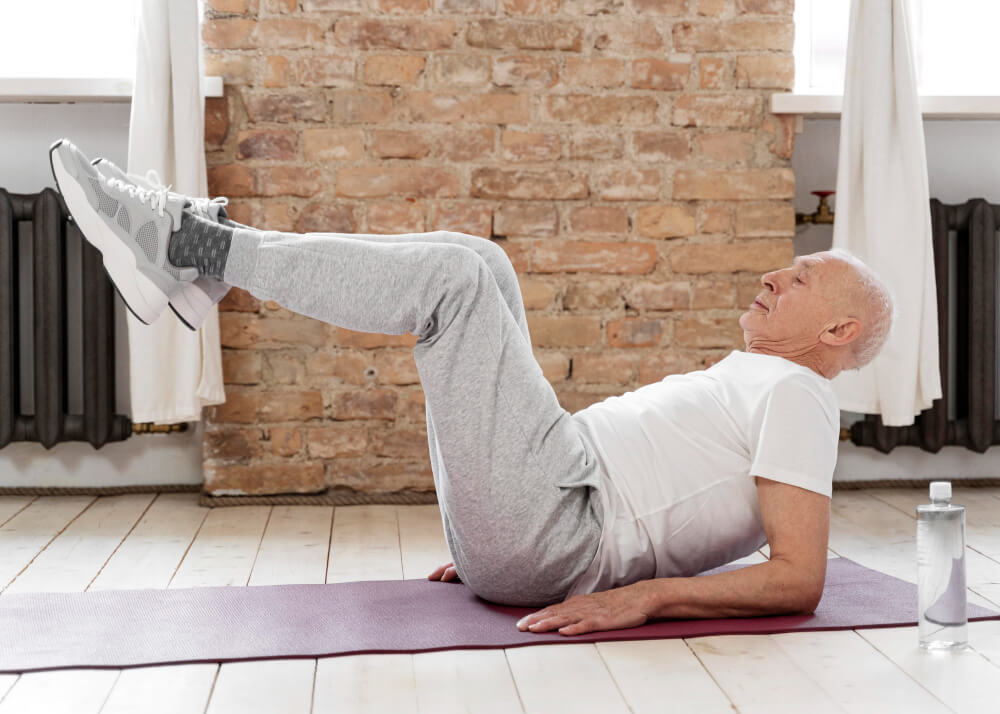
Aerobic exercise also reduces chronic inflammation and supports immune function, both important for preventing prostate problems. Regular cardiovascular activity helps regulate insulin levels and may reduce cancer risk factors over time.
Strength Training
Building lean muscle through resistance exercise helps regulate hormone levels and supports overall male health. Moderate strength training routines benefit prostate health without creating excessive stress on pelvic structures. Focus on compound movements that engage multiple muscle groups rather than isolated exercises.
Safe strength training includes bodyweight exercises, light weights, or resistance bands. Avoid heavy lifting that creates excessive pressure in the pelvic region, especially if you have existing prostate problems or are recovering from recent surgery.
Yoga and Stretching
Gentle movements that reduce stress and improve flexibility provide multiple benefits for prostate health. Yoga poses targeting pelvic health include the bridge pose, child’s pose, and gentle twists that enhance circulation and reduce tension in pelvic muscles.
These practices combine physical movement with stress reduction techniques that support hormone balance and overall wellness. Regular yoga practice may help reduce inflammation and improve sleep quality, both of which are beneficial for prostate health.
Lifestyle Habits to Pair with Exercise
Exercise works best when combined with other healthy daily choices that support comprehensive prostate wellness and overall male health.
A balanced diet rich in fruits, vegetables, whole grains, and healthy fats provides nutrients that support prostate function. Foods high in antioxidants, zinc, and omega-3 fatty acids particularly benefit prostate health. Prostate health medication may be necessary for some men despite excellent lifestyle practices.
Adequate water intake supports healthy urinary function and helps flush toxins from the body. However, timing fluid intake can help reduce nighttime urination frequency for men with BPH symptoms. Stress management through meditation, mindfulness, or enjoyable hobbies complements exercise benefits for overall wellness.
Quality sleep of 7-9 hours nightly supports hormone recovery and tissue repair processes. Poor sleep disrupts hormone balance and may increase inflammation that harms prostate health over time.
Safety and Considerations
Men new to exercise should start gradually and build intensity slowly over time to avoid injury or excessive strain. This approach proves especially important for older men or those with existing health conditions that might affect exercise tolerance.
Professional guidance becomes particularly important after prostate surgery or treatment when specific exercise modifications may be necessary. Healthcare providers can recommend appropriate timing and techniques for resuming exercise after medical procedures.
Consulting with doctors before beginning new exercise programs ensures that chosen activities align with individual health status and treatment plans. This precaution helps maximize benefits while minimizing any potential risks or complications.
FAQs
What are the best exercises for prostate health?
Kegel exercises for pelvic floor strength, aerobic activities like walking or swimming, gentle yoga, and moderate strength training provide the most evidence-based benefits for prostate wellness.
Can exercise prevent prostate problems?
Regular exercise may lower risk factors and improve function, but cannot guarantee complete prevention of age-related prostate changes. Exercise works best as part of comprehensive health strategies.
How often should I do exercises for prostate health?
Aim for daily pelvic floor exercises and at least 150 minutes of moderate aerobic exercise weekly, following standard physical activity guidelines for overall health benefits.
Are Kegels only for men with prostate issues?
No, pelvic floor exercises benefit all men as preventive measures and for maintaining urinary health, sexual function, and pelvic support throughout the aging process.
Can exercise help after prostate surgery?
Yes, pelvic floor training can significantly improve recovery outcomes, but exercises should only be performed under medical supervision with appropriate timing and techniques.
References (APA)
Tienforti, D., Sacco, E., Marangi, F., D’Addessi, A., Racioppi, M., Gulino, G., … & Bassi, P. (2012). Efficacy of an assisted low-intensity programme of perioperative pelvic floor muscle training in improving the recovery of continence after radical prostatectomy: a randomized controlled trial. BJU International, 110(7), 1004-1010. https://pubmed.ncbi.nlm.nih.gov/22332815/
Santa Mina, D., Hilton, W. J., Matthew, A. G., Awasthi, R., Bousquet-Dion, G., Alibhai, S. M., … & Finelli, A. (2014). Prehabilitation for radical prostatectomy: a multicentre randomized controlled trial. Surgical Oncology, 23(3), 142-147. https://pubmed.ncbi.nlm.nih.gov/29937184/
Van Kampen, M., De Weerdt, W., Van Poppel, H., De Ridder, D., Feys, H., & Baert, L. (2000). Effect of pelvic-floor re-education on duration and degree of incontinence after radical prostatectomy: a randomised controlled trial. The Lancet, 355(9198), 98-102. https://pubmed.ncbi.nlm.nih.gov/10675166/
$839.99
This product has multiple variants. The options may be chosen on the product page
Save with sets
Unlock savings on bundles and elevate your online experience today!
Age Verification Required
This website contains information on research compounds intended for laboratory use only. You must be 21 years or older to enter and view this content. By entering, you also agree that all products are for research use only and are not intended for human consumption.

 130
130