From Minoxidil to Stem Cells: Modern Hair Loss Treatment Options
Articles
Table of contents
Modern hair loss treatment options have evolved dramatically. What once began with topical solutions like Minoxidil has expanded into advanced regenerative therapies such as stem cell treatments. Hair loss affects both men and women, driven by genetics, hormones, or lifestyle factors. This guide breaks down today’s most effective solutions, from time-tested medications to cutting-edge procedures that use your body’s own healing systems.
Understanding the Basics of Hair Loss
Hair loss means excessive shedding or thinning beyond the normal 50-100 hairs daily. Understanding how hair grows helps you recognize when problems arise.
The hair growth cycle has three phases: the anagen phase (active growth lasting 2-6 years), the catagen phase (brief transition lasting about two weeks), and the telogen phase (resting and shedding lasting around three months). Disruption in this cycle leads to visible thinning. Modern treatments aim to restore balance by targeting underlying causes.
Common Causes of Hair Loss
Identifying the root cause helps determine the most effective treatment approach.
Genetic factors play a major role. Hereditary conditions like androgenetic alopecia affect millions worldwide and progress gradually over time. If your parents or grandparents experienced thinning, your risk increases significantly.
Hormonal changes trigger hair loss in many people. Menopause, thyroid imbalances, and elevated DHT (dihydrotestosterone) disrupt normal growth cycles and shrink hair follicles over time.
Nutritional deficiencies weaken hair from within. Low iron, insufficient protein, and vitamin D deficiency impact follicle health. Learn more about nutritional causes of hair loss and how proper nutrition supports regrowth.
Stress and illness trigger temporary shedding. Events like surgery or severe trauma push many hairs into the resting phase simultaneously. This condition, called telogen effluvium, causes noticeable shedding 2-3 months after the triggering event. Hair typically regrows once the stress resolves.
Medications and lifestyle choices also affect hair growth. Certain drugs, over-styling with heat tools, tight hairstyles, and chemical treatments all damage hair health.
Topical Hair Loss Treatment Options
Topical treatments are applied directly to the scalp and work by stimulating follicles at the source!
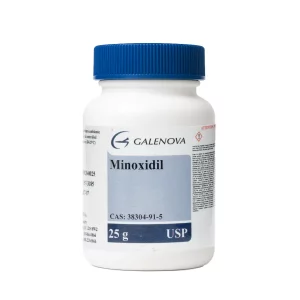
Minoxidil is the most widely used and FDA-approved topical treatment. It promotes blood flow to hair follicles, delivering nutrients and oxygen. The 5% solution works for both men and women, though women may start with the 2% formula. Results typically appear after 3-6 months of consistent use.
Topical finasteride offers another option, particularly for men. Unlike oral finasteride, the topical version reduces DHT levels directly on the scalp with less systemic absorption. Some formulations combine it with minoxidil for enhanced results.
Natural serums provide gentler alternatives. Peptide-based solutions and botanical formulas use plant extracts with growth-promoting properties. While these may take longer to show results, many appreciate their natural origins. Consistency is key. Visible results typically appear after 3-6 months of regular application.
Oral Medications for Hair Regrowth
Oral treatments target internal causes like hormones or nutrient deficiencies and require medical supervision.
Finasteride is the primary oral medication for male pattern baldness. It reduces DHT production throughout the body, helping maintain existing hair and promote regrowth. Most men notice improvement after 3-4 months. The medication works best when started early.
Spironolactone balances hormones in women experiencing androgen-related thinning. This medication blocks androgen receptors and requires ongoing medical supervision and regular blood tests.
Nutritional supplements support hair strength when deficiencies exist. Biotin strengthens hair structure. Iron supplements help those with low levels. Zinc supports tissue growth and repair. Omega-3 fatty acids reduce inflammation and support scalp health. Blood tests determine which supplements you actually need.
Advanced Clinical and Regenerative Therapies
Emerging professional treatments harness your body’s natural healing abilities and are performed in medical settings.
Platelet-Rich Plasma (PRP) therapy uses your own blood’s growth factors to stimulate follicles. Blood is drawn, processed to concentrate platelets, and injected into your scalp. Treatments typically occur monthly for three months, then maintenance every few months. Many patients see reduced shedding and improved density.
Stem cell treatments represent the cutting edge of hair restoration. These regenerative techniques activate dormant follicles using stem cells extracted from your own body. Research shows promising results, with patients experiencing increased hair density and thickness. While still emerging, current studies demonstrate safety and effectiveness for androgenetic alopecia.
Low-Level Laser Therapy (LLLT) uses non-invasive light to promote cellular growth. Special devices deliver specific wavelengths of light to energize follicles.
Hair Transplantation and Surgical Options
Hair transplantation remains a long-term solution for advanced hair loss. Modern techniques create natural-looking results with minimal downtime. FUT (Follicular Unit Transplantation) removes a strip of scalp from the back of the head for grafting. The donor area heals with a thin linear scar. FUT allows for harvesting large numbers of grafts in one session.
FUE (Follicular Unit Extraction) extracts individual follicles for precise placement using a small punch tool. This technique leaves tiny dot-shaped scars that heal quickly and offers faster recovery. The procedure takes longer but provides excellent natural-looking results. Recovery typically takes a week or two, with new growth appearing after three months. Transplants work best when combined with ongoing medications like minoxidil to maintain both transplanted and existing hair.
Hair Loss Treatment Options for Men
Male hair loss treatment options specifically address androgenetic alopecia. DHT sensitivity drives most men’s hair loss, making DHT reduction central to treatment.
Daily minoxidil use provides consistent scalp stimulation. The 5% solution applied twice daily keeps follicles in the growth phase longer and works well on the crown and mid-scalp areas. Finasteride or dutasteride inhibits DHT production systemically. Finasteride blocks about 70% of DHT, while dutasteride blocks nearly 95%. Most men maintain their hair and see some regrowth. Starting early provides the best outcomes.
PRP or hair transplants offer long-term solutions. PRP therapy uses natural growth factors, while hair transplants provide permanent results by relocating DHT-resistant follicles. Combining these with daily medications maximizes results. Lifestyle support serves as secondary prevention. Adequate nutrition, regular exercise to improve circulation, and stress management help prevent telogen effluvium.
Non-Medical Approaches and Lifestyle Support
Holistic strategies maintain scalp and follicle health and complement medical treatments.
Gentle scalp massage enhances circulation to follicles. Use fingertips to massage in circular motions for 5-10 minutes daily to promote blood flow and nutrient delivery. A balanced, protein-rich diet supports hair from within. Include lean meats, fish, eggs, legumes, and dairy. Leafy greens provide iron and vitamins. Nuts and seeds offer healthy fats and minerals. Adequate hydration keeps your scalp healthy.
Reduce damaging hair practices. Avoid tight hairstyles, limit harsh dyes and chemical treatments, and minimize heat styling. When you do style, use heat protectants and lower temperatures. Prioritize sleep and manage stress levels. Aim for 7-9 hours of quality sleep nightly. Practice stress management through meditation, yoga, or hobbies. Chronic stress disrupts the hair growth cycle.
Choosing the Right Hair Loss Treatment
Determining which treatment suits your needs requires careful consideration of multiple factors. Age and current stage of hair loss matter. Early intervention typically produces better results than waiting until significant thinning occurs.
Gender influences treatment choices. Men often respond well to DHT-blocking medications, while women need hormonal evaluation. Conditions like female hair loss require specialized treatment plans that address unique hormonal and nutritional factors. The cause determines the right approach. Genetic hair loss responds to medications like finasteride. Stress-related shedding may only need time and support. Nutritional deficiencies require dietary changes or supplements.
Overall health status matters for treatment safety. Your healthcare provider considers all health factors when recommending treatments. Professional diagnosis before beginning treatment is essential. A dermatologist or trichologist can accurately identify your hair loss type and create a personalized plan. Patience is crucial. Most treatments need 3-6 months before visible improvement appears.
The Future of Hair Restoration
Ongoing innovations continue advancing the field, with research focused on making treatments more effective and accessible.
Experimental options show promise. Exosome therapy uses cellular messengers to activate dormant follicles. Gene modulation may eventually correct genetic causes. Personalized medicine tailors treatments to your specific genetic profile. Non-invasive solutions continue improving. Newer medications have fewer concerns, topical treatments become more effective with better delivery systems, and light therapies improve in power and convenience. Ongoing research makes hair restoration more effective and accessible.
FAQs
What causes most cases of hair loss?
Genetics, hormonal changes, and stress are the most common causes. Hereditary androgenetic alopecia affects the majority of people experiencing thinning. Hormonal shifts and physical or emotional stress can push hair into premature shedding. Understanding your specific cause helps guide treatment selection.
Does Minoxidil really work?
Yes, minoxidil is FDA-approved and clinically proven to stimulate new growth with consistent use. Studies show that regular application helps slow hair loss and promote regrowth in many users. The 5% solution works for both men and women. Results typically appear after 3-6 months of twice-daily application.
Are stem cell treatments safe for hair loss?
Stem cell therapies show promise in clinical studies, but they’re still being researched and refined. Current evidence suggests they’re generally safe when performed by qualified professionals. Most procedures use your own cells, reducing rejection risks.
How long before I see results from treatment?
Most people notice visible improvement within 3-6 months of consistent treatment. Hair grows slowly, about half an inch per month, so patience is essential. Topical treatments like minoxidil typically show results after 3-4 months.
Can diet affect hair health?
Yes, diet plays a major role in hair health. Nutrient deficiencies in iron, biotin, protein, or vitamin D can contribute to thinning and shedding. Hair needs adequate protein to build new strands. Iron carries oxygen to follicles. B vitamins support metabolism and cell growth.
References (APA)
Adil, A., & Godwin, M. (2017). The effectiveness of treatments for androgenetic alopecia: A systematic review and meta-analysis. Journal of the American Academy of Dermatology, 77(1), 136-141. https://pubmed.ncbi.nlm.nih.gov/28396101/
Gasteratos, K., & Kouzounis, T. (2024). Autologous stem cell-derived therapies for androgenetic alopecia: A systematic review of randomized control trials. Plastic and Reconstructive Surgery – Global Open, 12(2), e5577. https://pubmed.ncbi.nlm.nih.gov/38352219/
$839.99
This product has multiple variants. The options may be chosen on the product page
Save with sets
Unlock savings on bundles and elevate your online experience today!
Age Verification Required
This website contains information on research compounds intended for laboratory use only. You must be 21 years or older to enter and view this content. By entering, you also agree that all products are for research use only and are not intended for human consumption.

 130
130