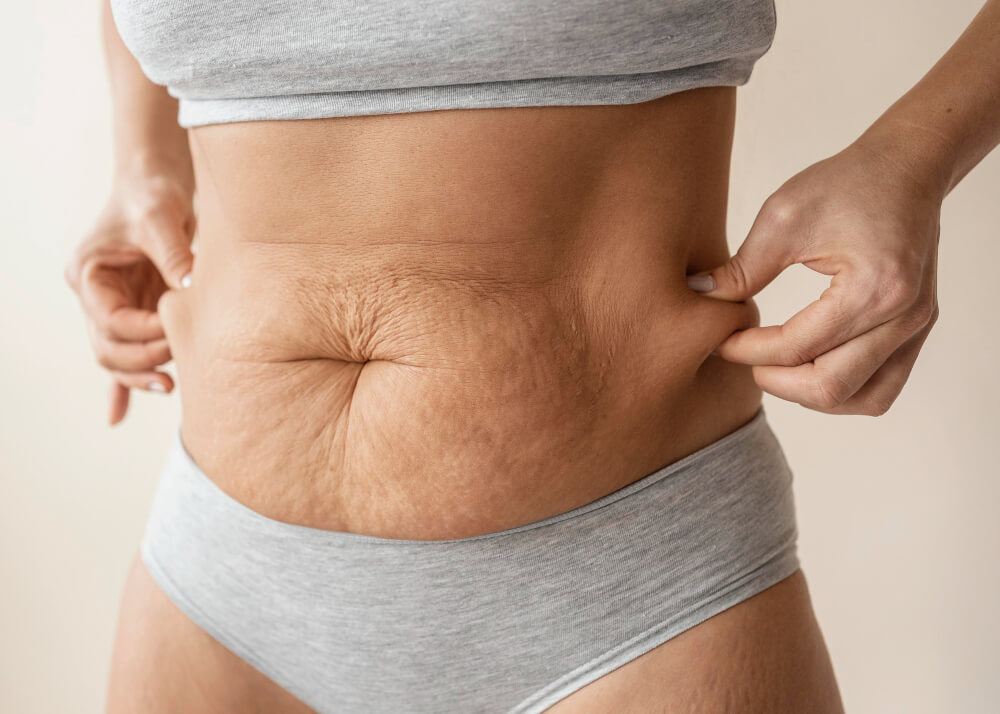
Many people experience loose skin after significant weight loss. This is a common concern, but there are effective ways to improve skin firmness and appearance over time. Learning how to tighten skin after weight loss involves understanding natural methods, lifestyle changes, and professional treatments. Each option offers benefits depending on your unique situation, and realistic expectations are important.
In this article, we will explore natural ways to support skin elasticity, healthy habits that promote skin tightening, and medical procedures that can help with more severe cases. Your skin’s response varies based on age, genetics, and how much weight you lost, so it’s helpful to know all the options and when to seek expert advice.
Why Loose Skin Happens After Weight Loss
Your skin contains two main proteins: collagen and elastin. Collagen gives your skin its structure and strength, while elastin allows it to stretch and bounce back to its original shape. These proteins work together to keep your skin firm and flexible.
When you gain weight, your skin stretches slowly to fit your larger body. If weight gain is fast or very large, the collagen and elastin fibers can become damaged or weakened. When you lose weight, especially if it’s rapid or substantial, your skin may not bounce back fully, leading to loose or saggy skin.
Several factors affect skin elasticity after weight loss:
Age: After age 20, collagen production declines by about 1% each year. Older skin is less able to tighten naturally.
Genetics: Your family history influences how elastic your skin is.
Speed and amount of weight loss: Rapid weight loss gives skin less time to adjust. People who know how to weight loss quickly may see more skin laxity than those who lose weight gradually.
Understanding these factors helps set realistic goals for improving loose skin after weight loss.
How Long It Takes for Skin to Tighten After Weight Loss
Skin tightening after weight loss is a slow process that can take several months or even over a year to see meaningful changes. Your skin needs time to adapt to your new body size and rebuild collagen and elastin fibers.
Most plastic surgeons recommend waiting at least 12 months after reaching your goal weight before considering surgical options. This waiting period allows your skin to contract as much as possible naturally.
The timeline depends on your age and skin condition. Younger people often see faster improvements because their skin produces collagen more efficiently. Mild to moderate cases of loose skin may improve over 6 to 12 months with consistent care. More severe skin laxity typically requires longer time or professional treatments.
Consistency with skin-supportive habits during this time is important. Skin responds best to ongoing hydration, nutrition, and exercise rather than short bursts of effort.
How to Tighten Skin After Weight Loss Naturally
Learning how to tighten skin after weight loss naturally starts with building muscle under the skin. Strength training helps fill out areas with loose skin by increasing muscle mass beneath it. The Physical Activity Guidelines for Americans recommend strength training exercises at least twice per week. Focus on exercises targeting areas where you notice sagging, such as arms, thighs, or abdomen. Proper hydration is vital for maintaining skin elasticity. Drinking enough water helps your skin cells function well and maintain their structure. Well-hydrated skin looks plumper and healthier compared to dry skin. Aim to drink water consistently throughout the day according to your individual needs.
A balanced diet supports skin structure and repair. Protein provides the building blocks for collagen, while vitamin C helps your body produce collagen effectively. Healthy fats from sources like fish, nuts, and seeds support the skin’s barrier and overall health. Research on what vitamins help with weight loss also shows that good nutrition plays a key role in skin health during body changes. Gentle skin care habits such as exfoliating dead skin cells and moisturizing can improve skin texture and appearance. Using mild exfoliants and hydrating creams keeps your skin soft and may support tightening over time.
Lifestyle Habits That Support Skin Tightening
Avoiding smoking and limiting sun exposure protect the collagen and elastin you have left. Tobacco smoke contains toxins that damage skin cells and cause premature aging. Smoking reduces skin hydration and firmness compared to non-smokers. Likewise, excessive sun exposure breaks down collagen fibers and increases skin sagging.
Regular exercise benefits your skin beyond muscle building. Physical activity improves blood circulation, delivering oxygen and nutrients to skin cells while removing waste. This boost to circulation can enhance skin repair and appearance. Exercise also helps maintain a stable weight, preventing further skin stretching. Quality sleep supports tissue repair and regeneration, including skin. During sleep, your body releases growth hormone, which aids in repairing and rebuilding skin tissue. Adults need 7-9 hours of sleep for optimal recovery and skin health.
Professional and Medical Treatments for Loose Skin
Non-surgical skin tightening options use energy-based devices like radiofrequency, ultrasound, and laser treatments. These therapies heat the deeper layers of skin to stimulate collagen production and improve firmness gradually. Treatments such as ThermiRF, Ultherapy, and Thermage offer subtle improvements over several months. Multiple sessions may be needed for best results. For more significant loose skin, body contouring surgeries can provide dramatic improvements. Procedures such as tummy tuck (abdominoplasty), arm lifts, and thigh lifts remove excess skin and tighten remaining tissue. These surgical treatments require recovery time and carry risks that vary by procedure and individual.
Always seek professional advice before choosing a treatment. Board-certified plastic surgeons or dermatologists can assess your skin condition and recommend options tailored to your needs. Some individuals may consider buy weight loss management medicine online, but these should be used only under medical supervision. A professional evaluation ensures safe and effective treatment planning.
Preventing Loose Skin During Weight Loss
Slow and steady weight loss gives your skin time to adjust to your shrinking body. Losing about 1-2 pounds per week is recommended for sustainable fat loss with minimal skin laxity. This approach helps the skin contract naturally along with your body.
Combining cardio with strength training during your weight loss journey preserves muscle mass. Maintaining muscle underneath your skin supports a firmer shape and stimulates collagen production. This balanced exercise routine typically leads to better overall body composition than cardio alone.
Eating a nutrient-rich diet during weight loss is critical for skin health. Adequate protein intake helps preserve muscle and provides materials for collagen repair. Staying well hydrated and consuming essential vitamins and minerals support your skin’s elasticity. Remember to reward yourself for maintaining these habits consistently, which contributes to your weight loss rewards.
FAQs
How to tighten skin after weight loss naturally without surgery?
Natural approaches include resistance training to build muscle, staying well-hydrated, and eating a diet rich in protein, vitamin C, and healthy fats. Consistent strength training at least twice weekly can improve muscle tone under loose skin. These methods are most effective for mild to moderate skin looseness and require patience for gradual improvements over 6-12 months.
How long does it take for skin to tighten after weight loss?
Skin tightening results vary widely but often take several months to over a year. Younger people generally see faster improvements. Most surgeons advise waiting at least 12 months post-weight loss before considering surgery to allow for natural skin contraction.
Does age affect how well skin tightens?
Yes, age plays a big role. Collagen production decreases about 1% annually after age 20, making skin tightening more difficult as you get older. However, healthy habits can still support skin health at any age, though results may be less dramatic for older adults.
Can supplements help tighten skin?
Supplements like collagen peptides and vitamins C and E may support skin health and collagen synthesis. But supplements alone are unlikely to fully tighten loose skin. They work best combined with good nutrition, hydration, and exercise. Always check with your healthcare provider before starting new supplements.
Is loose skin permanent after weight loss?
It depends. Mild to moderate loose skin often improves with natural methods and lifestyle changes. Severe cases may require professional treatments or surgery for significant improvement. While complete removal of loose skin is not always possible, meaningful improvements can often be achieved.
$839.99
This product has multiple variants. The options may be chosen on the product page
Save with sets
Unlock savings on bundles and elevate your online experience today!
Age Verification Required
This website contains information on research compounds intended for laboratory use only. You must be 21 years or older to enter and view this content. By entering, you also agree that all products are for research use only and are not intended for human consumption.

 130
130