How Oral Blood Sugar Medications Work: What Your Body Is Actually Doing
Articles
Table of contents
Oral blood sugar medications are pills you take by mouth to help your body manage glucose more effectively. Glucose is the main type of sugar your body uses for energy from the food you eat. These medications work by supporting your body’s natural processes that control how glucose moves through your system. Different types of oral medications for blood sugar support work through different mechanisms inside your body. Some help your liver produce less glucose between meals. Others make your cells more responsive to insulin, which is the hormone that moves glucose from your blood into your cells.
Still others slow down how quickly your body breaks down food into glucose. Each approach addresses glucose management from a unique angle. The goal is to help your body maintain steadier glucose levels throughout the day. This supports better energy, clearer thinking, and long-term wellness. Understanding how these medications work helps you feel more confident about the support they provide.
What Happens Inside Your Body When Using Oral Blood Sugar Medications
Your body manages blood glucose through a complex system of organs and hormones working together. Throughout the day, glucose levels naturally rise and fall based on when you eat, how active you are, and what your body needs for energy. Oral blood sugar medications step in to help regulate these natural fluctuations. They work with your body’s existing systems rather than replacing them. Insulin plays a central role in glucose management. Insulin is a hormone your pancreas produces that acts like a key, unlocking your cells so glucose can enter and provide energy. When someone has high glucose levels, their cells may not respond well to insulin. This is called insulin resistance, which means cells resist insulin’s signals and glucose stays in the bloodstream longer.
Various medication classes interact with these natural processes in specific ways. Some medications tell your liver to produce less glucose during the hours between meals. People often notice daily changes when medications begin working. Glucose levels become more stable throughout the day. Energy feels steadier without the peaks and crashes that happen when glucose levels spike and drop dramatically. Blood glucose refers to the concentration of sugar currently circulating in your bloodstream at any moment.
Breaking Down the Most Common Types of Oral Blood Sugar Medications
Understanding medication categories helps you know what each type does inside your body. Oral medications are organized into classes based on how they work. The most widely prescribed medication is from the biguanide class. Metformin is the primary drug in this category. Metformin works by decreasing the amount of glucose your liver releases into your bloodstream. It also helps your muscle tissue use glucose more effectively by improving insulin sensitivity. Many doctors start with metformin because it has been studied extensively for decades and works well for most people. Another important class is sulfonylureas. Metformin, sulfonylureas, and related medications work by stimulating your pancreas to release more insulin. The pancreas is the organ behind your stomach that produces insulin naturally.
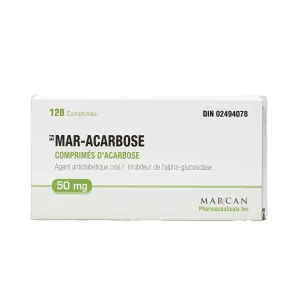
These medications help the pancreas respond more actively, especially after you eat. Alpha-glucosidase inhibitors take a different approach to glucose management. These medications slow down how quickly your intestines break down starches and complex carbohydrates from food. Starches are found in foods like bread, rice, and potatoes. DPP-4 inhibitors help preserve natural hormones that tell your pancreas when to release insulin. SGLT2 inhibitors help your kidneys remove excess glucose through urine. Thiazolidinediones make your fat and muscle tissues more responsive to insulin. Each medication class addresses a different aspect of how your body processes and uses glucose.
How These Medications Help the Body Balance Sugar Day-to-Day
Medications support steadier glucose patterns throughout your daily routine. Morning fasting levels reflect how well your body managed glucose overnight when you weren’t eating. Medications help keep these baseline levels in a healthy range. Before breakfast, your glucose level should be relatively low and stable. After eating breakfast, glucose naturally rises as your body digests food and converts it to energy. Medications help prevent this rise from becoming too steep or lasting too long. They work to keep the increase moderate and controlled. By mid-morning, glucose levels typically start declining again as your cells use the energy from breakfast. Medications support this entire cycle, helping your body maintain balance.
The same pattern repeats with lunch and dinner. Blood glucose levels respond to each meal, rising after eating and gradually declining between meals. Medications smooth out these natural fluctuations. They don’t experience the tired, sluggish feeling that comes from glucose crashes. Evening routines benefit from medication support, too. Testing your glucose before dinner shows how well your body managed the afternoon. Taking medication consistently helps maintain these healthy patterns day after day.
Lifestyle Patterns That Work Alongside Medication
Healthy daily habits enhance how well medications perform. What you eat significantly influences your glucose levels because food directly becomes glucose in your bloodstream. Eating balanced meals with protein, healthy fats, and fiber helps your body process glucose more gradually. Timing matters as well. Eating at consistent times each day helps your body develop predictable patterns. Physical activity supports medication effectiveness in powerful ways. When you move your body, your muscles use glucose for fuel. This naturally lowers blood glucose levels and makes your cells more responsive to insulin. Regular exercise essentially helps medication work better. You don’t need intense workouts.
Simple activities like walking, swimming, or gardening provide benefits. The key is consistency rather than intensity. Tracking your glucose levels helps you understand how different foods and activities affect your patterns. This information lets you manage blood glucose more effectively over time. You start noticing which meals keep your levels steady and which cause spikes. Sleep quality influences glucose management too, though many people don’t realize this connection. Poor sleep can make cells more resistant to insulin, which works against what medication is trying to achieve. Stress affects glucose levels as well. When you’re stressed, your body releases hormones that can raise blood glucose. Finding healthy ways to manage stress supports your overall health and helps medication work optimally. These lifestyle patterns work together with medication to create the best outcomes for your long-term wellness.
When Blood Sugar Medications Oral Might Be Recommended
Doctors consider several factors when deciding whether to recommend treatment. Blood sugar medications oral options become part of the conversation when glucose levels consistently stay above healthy ranges. If you’ve made lifestyle changes like improving your diet and increasing physical activity, but your glucose readings remain elevated, medication provides additional support. Repeated high readings over weeks or months suggest your body needs more help than lifestyle changes alone can provide. Ongoing glucose spikes after meals indicate your body is struggling to process food efficiently. Elevated fasting glucose levels show your liver may be producing too much glucose overnight. A healthcare provider reviews these patterns with you before making recommendations. A healthcare provider is a doctor, nurse practitioner, or physician assistant trained in medical care. They look at trends over time rather than focusing on individual readings.
Looking at long-term glucose trends through regular monitoring reveals whether your current approach is working. Sugar levels that remain stubbornly high despite your best efforts suggest it’s time for additional support. If you’re wondering about signs you might need medication for blood sugar, consistent elevated readings and symptoms like increased thirst or frequent urination are important indicators. Starting medication early often leads to better outcomes than waiting until glucose levels become severely elevated.
What Happens Over Time as Your Body Adjusts
The weeks and months after starting oral medication involve gradual adaptation. Your body learns to work with the support the medication provides. During the first few weeks, you’re establishing your routine and beginning to see how your glucose levels respond. What to expect when starting blood sugar medication includes understanding that changes happen gradually rather than overnight. Some medications begin working within days while others take several weeks to reach full effectiveness. Oral medication therapy requires consistency to work properly. Taking your medication at the same time each day maintains steady levels in your system. Missing doses or taking medication at random times reduces effectiveness. Consistency matters more than perfection.
Over time, these combined efforts help you maintain the steady energy and vitality that support your longevity goals. Many people find that exploring options like Blood Sugar Support supplement buy online choices can complement their prescribed treatment plan when discussed with their healthcare provider.
FAQs
How do oral blood sugar medications actually work in the body?
Oral medications support glucose management through various mechanisms depending on the medication class. Some reduce liver glucose production, others improve insulin sensitivity in cells, some slow food digestion, and others help the kidneys remove excess glucose through urine.
How long does it take to notice changes when starting medication?
Some people notice changes within the first week as glucose readings begin stabilizing, while others experience gradual improvements over several weeks. Most medications reach full effectiveness within four to six weeks of consistent use.
Do all oral diabetes medications work the same way?
No, different medication classes work through completely different mechanisms, such as reducing liver glucose production, stimulating insulin release, slowing carbohydrate digestion, or helping the kidneys eliminate glucose. This variety allows doctors to select medications that address your specific glucose management challenges.
Can these medications help steady daily sugar levels?
Yes, steadying glucose levels throughout the day is precisely what these medications are designed to do. They help prevent sharp spikes after meals and uncomfortable drops between meals by supporting your body’s natural glucose regulation processes.
Are oral medications enough on their own?
Medications work best when combined with healthy daily routines, including balanced nutrition, consistent physical activity, and regular monitoring. Professional guidance from your doctor ensures your treatment plan stays optimized for long-term wellness.
$839.99
This product has multiple variants. The options may be chosen on the product page
Save with sets
Unlock savings on bundles and elevate your online experience today!
Age Verification Required
This website contains information on research compounds intended for laboratory use only. You must be 21 years or older to enter and view this content. By entering, you also agree that all products are for research use only and are not intended for human consumption.

 130
130