Performance Anxiety vs Erectile Dysfunction: How to Tell Them Apart
Articles
Table of contents
Both performance anxiety and erectile dysfunction or performance anxiety affect sexual performance, but they arise from different sources. One originates primarily in the mind, while the other stems mainly from the body. Both conditions are common and manageable. Understanding the difference helps you find the right support and treatment. This article will help you recognize which condition you might be experiencing.
What Performance Anxiety Is and How It Affects Sexual Function
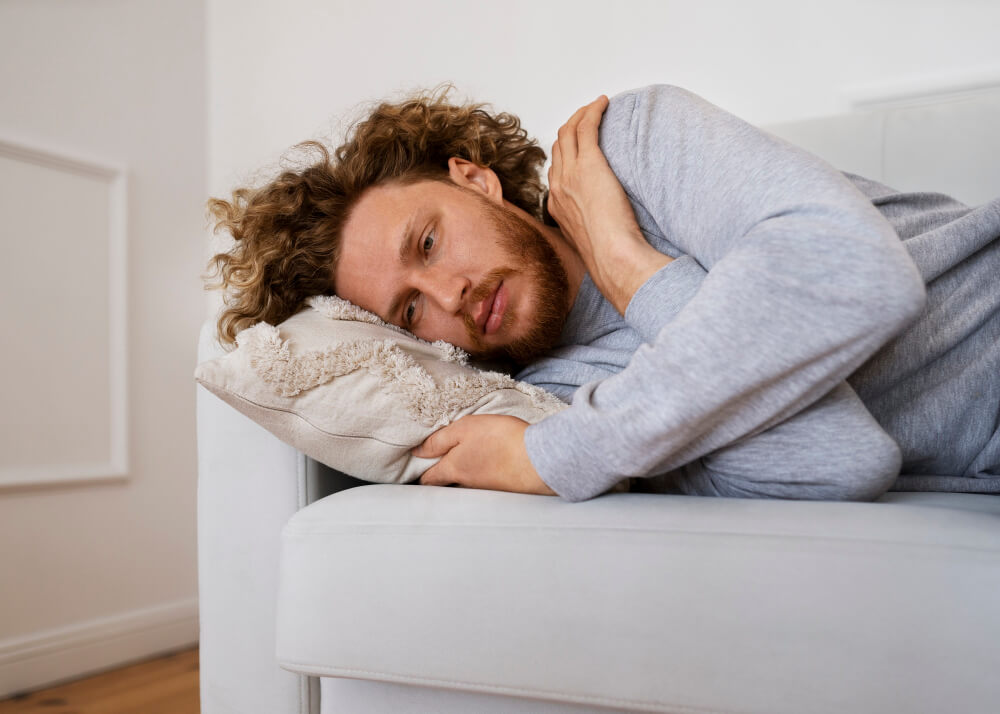
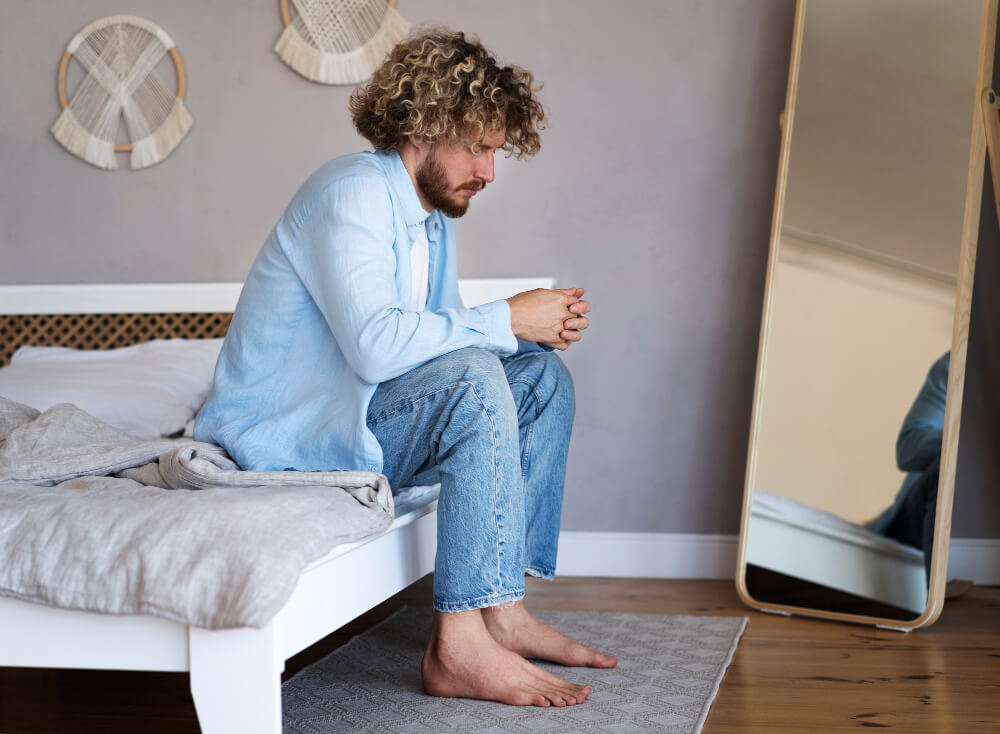
Performance anxiety, erectile dysfunction happens when worry and fear interfere with sexual response. Your mind becomes focused on potential failure rather than pleasure. This mental pressure triggers physical reactions in your body.
When anxiety takes over, your nervous system shifts into fight-or-flight mode. Common triggers include fear of disappointing a partner, worries about penis size, or past sexual failures, creating ongoing anxiety. New relationships often bring performance pressure. Even men with excellent physical health can experience this psychological barrier.
What Erectile Dysfunction Is and Why It Happens
Erectile dysfunction means persistent difficulty getting or keeping an erection firm enough for sex. This is a physical condition with bodily causes. Blood flow and nerve signals control erections. Something in this physical system isn’t working properly.
Common physical causes include poor circulation, high blood pressure, and diabetes. Cardiovascular health and erectile dysfunction are closely connected because erections depend on healthy circulation. Hormone imbalances also play a role. As men age, testosterone levels naturally decline. Certain medications affect sexual function as well.
Key Differences Between Performance Anxiety and Erectile Dysfunction
Performance anxiety tends to come and go with stress levels. You might function perfectly one week and struggle the next. The problems appear more in certain situations than others. When stress decreases, function typically returns.
Erectile dysfunction shows more consistent patterns. The difficulty persists across most or all sexual encounters. It doesn’t improve when stress goes away. The problem gradually worsens over months or years regardless of emotional state. Mental triggers dominate performance anxiety. Fear of judgment or feelings of inadequacy drive the condition.
Symptoms That Point to Performance Anxiety
Erections work well during some situations but fail in others. You might achieve full firmness during masturbation but struggle with a partner. Morning erections happen normally. This pattern suggests working physical equipment with psychological interference.
Worry increases significantly before intimacy. Your mind races with negative thoughts about performance. This anticipatory anxiety creates a self-fulfilling cycle. The fear itself causes the problem you’re worried about. Symptoms correlate with specific circumstances or partners. New relationships bring more anxiety than established ones. Stressful life periods coincide with sexual difficulties. When external stress resolves, sexual function improves.
Symptoms That Point to Erectile Dysfunction
Ongoing difficulty occurs across most situations, regardless of partner or circumstance. Problems don’t improve even in low-stress situations. You notice reduced firmness even during self-stimulation. Morning erections become less frequent or disappear entirely.
Erections take longer to achieve and don’t last as long. The firmness feels different than in the past. Progressive worsening happens over months or years.
Can Performance Anxiety and Erectile Dysfunction Occur Together
Performance anxiety and erectile dysfunction often develop together. Physical erectile difficulties trigger emotional stress. When erections fail repeatedly, anxiety naturally develops. This worry makes physical symptoms worse. The two conditions reinforce each other in a negative cycle. Physical dysfunction creates mental stress. Mental stress worsens physical symptoms. Breaking this cycle requires addressing both components simultaneously.
Men who experience erectile dysfunction after prostate treatment frequently develop performance anxiety afterward. The physical changes from treatment create legitimate concern. This amplifies any remaining dysfunction. Similar patterns occur with other medical conditions affecting sexual function.
How Doctors Tell the Difference Between the Two
Medical history provides crucial clues about the underlying cause. Your doctor asks about symptom patterns. When did problems start? Did they appear suddenly or gradually? Do symptoms vary by situation? These details help distinguish anxiety from physical causes.
Morning erections serve as an important diagnostic indicator. Regular morning erections suggest working physical equipment. Absence of morning erections points toward physical problems.
Treatment Options for Performance Anxiety and Erectile Dysfunction
Anxiety-focused treatments differ from physical erectile dysfunction treatments. Performance anxiety and erectile dysfunction each require tailored approaches. Cognitive behavioral therapy changes negative thought patterns. You learn to reframe worries and focus on pleasure rather than performance.
Stress management techniques reduce overall anxiety. Deep breathing exercises calm your nervous system before intimacy. Mindfulness meditation increases present-moment awareness. Communication with your partner reduces pressure and expectations.
Medication addresses physical causes of erectile dysfunction. These drugs enhance blood flow to the penis. Buy erectile dysfunction medications online services now offer convenient access to these treatments with proper medical consultation. Combined approaches often work best when both factors contribute.
Sex therapy helps couples navigate sexual difficulties together. A sex therapist provides education and practical exercises. You practice intimacy without pressure to perform. This professional guidance accelerates recovery.
Lifestyle Factors That Affect Both Conditions
Sleep quality directly impacts sexual function and anxiety levels. Poor sleep increases stress hormones and reduces testosterone. Aim for seven to eight hours nightly.
Regular physical activity improves both mental and physical sexual health. Exercise strengthens cardiovascular function and blood flow. It also reduces anxiety and improves mood. Even walking helps circulation.
Smoking damages blood vessels throughout your body including those in the penis. Quitting smoking can partially reverse this damage. Heavy alcohol drinking worsens both anxiety and physical function.
When to Seek Medical or Professional Support
Seek help when symptoms persist for more than a few weeks. Temporary difficulties happen occasionally. Ongoing problems warrant professional evaluation. Early assessment leads to better outcomes.
Sudden onset of complete erectile failure needs prompt attention. This pattern could indicate serious medical conditions. Heart disease sometimes first appears as erectile difficulties.
Anxiety that interferes with daily life beyond sexual situations requires support. Professional mental health treatment helps manage broader anxiety issues. Addressing overall anxiety often improves sexual anxiety as well.
FAQs
How can I tell if my problem is anxiety or erectile dysfunction?
Consistency and situation-based patterns help distinguish the cause. Performance anxiety varies with stress levels and circumstances. Morning erections usually remain normal. Erectile dysfunction shows constant difficulty across all situations. Morning erections become less frequent or disappear. Problems progress gradually over time.
Can performance anxiety cause erectile dysfunction over time?
Yes, ongoing anxiety may eventually affect physical response. Chronic stress hormones can damage blood vessel health. Repeated anxiety cycles create psychological conditioning. Your body begins associating sex with stress. Early treatment of anxiety prevents progression to physical problems.
Can erectile dysfunction improve if anxiety is treated?
Reducing anxiety often improves sexual performance significantly. Many men see improvement with stress management and therapy. Some physical dysfunction remains if underlying medical conditions exist. Combined treatment provides the best outcomes.
Is it normal for both to happen at different times in life?
Shifts between mental and physical causes are common. Young men more often experience performance anxiety. Physical erectile dysfunction becomes more common with age. Stressful periods increase anxiety-related symptoms. Many men experience both types at different stages.
Should I talk to a doctor even if I think it is just anxiety?
Medical reassurance provides important value. Your doctor can confirm whether physical factors contribute. Early evaluation prevents small problems from becoming larger ones. Professional support accelerates recovery. Even pure anxiety responds better to proper treatment.
Rosen, R. C. (2001). Psychogenic erectile dysfunction: Classification and management. Urologic Clinics of North America, 28(2), 269-278. https://pubmed.ncbi.nlm.nih.gov/11402580/
$839.99
This product has multiple variants. The options may be chosen on the product page
Save with sets
Unlock savings on bundles and elevate your online experience today!
Age Verification Required
This website contains information on research compounds intended for laboratory use only. You must be 21 years or older to enter and view this content. By entering, you also agree that all products are for research use only and are not intended for human consumption.

 130
130