Everyday Habits That May Be Causing Your Hair to Thin — and How to Fix Them
Articles
Table of contents
Every day, scalp & hair-care habits play a larger role in hair thickness and scalp health than most people realize. Small choices add up over time, either supporting healthy growth or gradually weakening your strands. Many people experience gradual thinning not only due to genetics but also from lifestyle and grooming choices. The good news is that habit-related hair thinning is often reversible. This article identifies the most common daily habits that damage hair and provides practical, evidence-based fixes to strengthen hair and prevent future shedding.
Understanding How Daily Habits Affect Hair Health
Hair grows through a cycle influenced by diet, stress, styling, and scalp health. When external or internal factors disrupt this cycle, hair becomes weaker or falls out prematurely. External damage from heat or friction affects the visible part of your hair. Internal factors like nutrient intake affect the follicles beneath your scalp.
The outer layer of each strand is called the cuticle. The cuticle protects against breakage and keeps moisture locked in. Everyday stressors like harsh chemicals, tight styles, and excessive heat can weaken this protective layer over time. Changing daily routines can help restore balance and improve density. Understanding the connection between hair loss and hormones alongside daily habits provides a complete picture of hair health.
Common Scalp and Hair-Care Habits That Cause Thinning
Scalp and hair-care habits directly determine whether your hair thrives or thins over time. Several specific habits damage the scalp and hair gradually:
Overwashing or harsh shampoo use strips natural oils that protect your scalp. When you wash too frequently with strong products, you remove this protective barrier. The scalp becomes dry and irritated, weakening hair at the root.
Tight hairstyles cause traction alopecia from constant pulling. Ponytails, braids, buns, and extensions that pull tightly stress the follicles along your hairline and crown. Over time, this repeated tension damages follicles permanently.
Frequent heat styling with straighteners and blow dryers causes dryness and breakage. Heat removes moisture from hair shafts, making hair brittle and prone to snapping. Using hot tools daily accelerates this damage.
Aggressive brushing leads to strand breakage through mechanical stress, especially when hair is wet. Wet hair stretches more easily and is more vulnerable to breaking.
Skipping conditioner or hydration leaves hair without adequate moisture balance. Moisture is essential for elasticity and strength. Conditioner seals the cuticle and provides a protective coating that reduces friction.
Each of these issues can be minimized by adopting gentler habits and using appropriate products.
The Role of Diet and Lifestyle in Hair Thinning
Poor nutrition and stress contribute to chronic hair shedding. Your body prioritizes essential organs over hair when resources are limited, so hair follicles receive nutrients last.
Key nutrients for strong hair include iron, zinc, protein, and vitamin D. Iron carries oxygen to follicles. Zinc supports cell growth and tissue repair. Protein provides the building blocks that form hair structure. Vitamin D helps create new follicles and wake dormant ones.
Lack of sleep, smoking, and dehydration reduce scalp circulation and slow follicle repair. Sleep is when your body repairs and regenerates cells, including hair follicles. Smoking constricts blood vessels, reducing blood flow to your scalp. A healthy diet and balanced routine are as crucial as external care for long-term results.
Stress, Hormones, and Hair Health
Prolonged stress elevates cortisol, which disrupts the hair growth cycle. When cortisol stays high for extended periods, it signals follicles to stop growing and enter the resting phase prematurely.
Stress-related telogen effluvium causes temporary thinning but can be reversed. Telogen effluvium is excessive shedding triggered by shock or stress. Once stress levels decrease and remain stable, hair usually regrows within six to twelve months.
Hormonal fluctuations during menopause or thyroid issues can worsen the effects of poor habits. When hormones are already unbalanced, hair follicles are more vulnerable to damage. Lifestyle adjustments like mindfulness, exercise, or better sleep help stabilize both stress and hormone levels.
Wash hair 2–3 times per week with sulfate-free products. Sulfates are harsh detergents that strip natural oils. This frequency allows your scalp to maintain its natural moisture balance.
Use lukewarm water and avoid over-scrubbing the scalp. Hot water strips oils and can irritate sensitive skin. When washing, massage gently with fingertips rather than scrubbing aggressively.
Limit heat styling to 1–2 times per week and use heat protectants. Heat protectants create a barrier between your hair and hot tools, reducing moisture loss.
Gently detangle using wide-tooth combs or brushes designed for wet hair. Start from the ends and work up toward the roots to prevent pulling and breakage.
Keep the scalp hydrated with nourishing oils or serums. Lightweight oils like jojoba or argan improve circulation and moisture when massaged into the scalp.
Visible improvement takes several months, so consistency is essential.
Rebuilding Scalp Health for Stronger Growth
Scalp care is as vital as skincare because follicles thrive in a clean, balanced environment. Gentle exfoliation removes buildup and promotes oxygen flow to follicles. Product residue, dead skin cells, and excess oil can accumulate on the scalp, clogging follicles and creating inflammation.
Mild scalp massages increase blood circulation and nutrient delivery to follicles. Use your fingertips to massage in small circular motions for five to ten minutes. This brings fresh oxygen and nutrients to the area while promoting relaxation.
Treating dandruff or inflammation early prevents follicle damage and supports thicker growth. A calm, balanced scalp allows follicles to focus energy on producing strong strands.
Professional and At-Home Treatments
Advanced therapies can help with persistent thinning alongside improved daily habits. For those interested in emerging therapies for hair loss, several evidence-based options exist:
Platelet-Rich Plasma (PRP) therapy uses your own blood to stimulate follicles. Your blood is processed to concentrate growth factors, then injected into your scalp.
Low-Level Laser Therapy (LLLT) caps or combs use red light to energize follicles. These devices can be used at home several times per week.
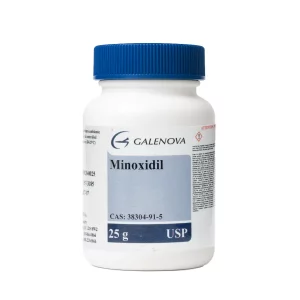
Topical minoxidil or peptide-based serums support growth when applied directly to the scalp. Minoxidil increases blood flow to follicles.
Microneedling creates tiny channels in the scalp that boost absorption of topical treatments and trigger healing responses that stimulate follicles.
A dermatologist can evaluate your specific situation and recommend the most appropriate treatment. These therapies work best when combined with improved scalp and haircare and healthy daily habits. Those exploring comprehensive wellness may also benefit from discussing medication for enlarged prostate health with their healthcare provider, as some treatments affect hormones that influence hair growth.
Preventing Future Hair Thinning
Preventative steps help maintain progress and protect against future thinning:
Maintain a balanced diet and hydration. Continue eating protein-rich foods, leafy greens, nuts, and seeds. Drink adequate water daily.
Protect hair from UV rays and pollution. Wear hats or use UV-protecting hair products when outdoors for extended periods.
Avoid frequent chemical treatments. Space out coloring, perming, or relaxing treatments by at least eight to ten weeks.
Get regular trims to prevent split ends from worsening. Trimming every six to eight weeks removes damaged ends before they split further.
Regular scalp check-ins help you notice early signs like increased shedding before problems worsen.
FAQs
Can daily hair washing cause thinning?
Washing too often with harsh products can dry out the scalp, leading to brittle hair and breakage. Daily washing strips protective oils faster than your scalp can replace them.
Is it normal to lose hair every day?
Yes, shedding 50–100 hairs daily is normal. Excessive loss beyond this range may indicate stress, hormonal imbalance, or poor scalp care.
How long before hair improves after changing habits?
Most people notice stronger, shinier hair within 3–6 months of consistent, healthy routines. Hair grows about half an inch per month.
Does using oil on the scalp really help?
Yes, lightweight oils improve circulation and moisture, supporting healthier follicles when used moderately. Oils like jojoba, argan, or rosemary can nourish the scalp without clogging pores.
When should I see a doctor for thinning hair?
Seek professional advice if thinning continues for more than six months or if you notice bald patches or irritation. A dermatologist can diagnose underlying causes like autoimmune conditions, hormonal imbalances, or nutritional deficiencies.
Guo, E. L., & Katta, R. (2017). Diet and hair loss: Effects of nutrient deficiency and supplement use. Dermatology Practical & Conceptual, 7(1), 1-10. https://doi.org/10.5826/dpc.0701a01
Piérard-Franchimont, C., Goffin, V., Henry, F., Uhoda, I., Braham, C., & Piérard, G. E. (2002). Nudging hair shedding by anti-dandruff shampoos. International Journal of Cosmetic Science, 24(5), 249-256. https://pubmed.ncbi.nlm.nih.gov/18498517/
$839.99
This product has multiple variants. The options may be chosen on the product page
Save with sets
Unlock savings on bundles and elevate your online experience today!
Age Verification Required
This website contains information on research compounds intended for laboratory use only. You must be 21 years or older to enter and view this content. By entering, you also agree that all products are for research use only and are not intended for human consumption.

 130
130