Senolytics Anti Aging: Are We Closer to Longevity?
Articles
Table of contents
We’ve talked before about how Senolytics can potentially solve some serious conditions. Our series has talked about aging and Alzheimer’s, and how cancer happens from inflammation, which senescent cells are a major cause of. Senescent cells are your aged-out cells, some of which stay in your body. They bind together, causing inflammation. Senolytics are compounds designed to target and eliminate senescent (aging) cells that accumulate throughout the body over time. These aging cells stop dividing but continue releasing harmful substances that promote inflammation and cellular dysfunction.
Anti-aging and longevity research focuses on extending healthy lifespan by addressing fundamental aging processes. The removal of damaged cells through senolytic therapy represents a promising approach to promote healthier tissue function and potentially slow age-related decline.
This article explores the science, benefits, research, and future of senolytics in anti-aging strategies. We’ll examine how senolytics Alzheimer preventionfits into comprehensive approaches and discuss senolytics reducing inflammation as a key mechanism. For those interested in longevity strategies, some may explore options to order senolytics online.
Understanding Senolytics and Anti-Aging
Senolytics work by identifying and removing senescent cells that have stopped dividing but remain metabolically active throughout the body. These compounds target specific vulnerabilities that aging cells develop to avoid natural cell death.
Cellular senescence increases with age as cells reach their division limits, accumulate DNA damage, or experience chronic stress. While senescence initially protects against cancer, accumulated senescent cells become harmful over time.
Senescent cells contribute to aging-related decline through chronic inflammation and tissue dysfunction. Their secretory profile releases inflammatory proteins, growth factors, and enzymes that damage surrounding healthy cells and impair organ function.
The Science Behind Senolytic Anti-Aging Potential
Senolytics remove harmful senescent cells from tissues by exploiting their dependence on specific survival pathways. Unlike healthy cells, senescent cells rely heavily on anti-apoptotic mechanisms to survive.
The connection between cell clearance, tissue regeneration, and improved organ function lies in removing sources of chronic inflammation. When senescent cells are eliminated, healthy cells can function more effectively and tissues can repair themselves.
Reduction of the senescence-associated secretory phenotype (SASP) serves as a key anti-aging mechanism. SASP includes inflammatory molecules that accelerate aging throughout the body. Removing these signals may slow various aging processes.
Evidence from Research and Clinical Trials
Important animal studies show lifespan and healthspan improvements in mice treated with senolytics. Mice receiving senolytic treatment live longer and maintain better physical function compared to untreated controls.
Early human research includes safety studies and small clinical trials exploring senolytic effects on aging-related conditions. Preliminary results suggest potential benefits for physical function, inflammation markers, and quality of life.
Promising findings include improved mobility, reduced inflammation, and better cellular function in treated individuals. However, limitations include small study sizes, short follow-up periods, and the need for larger, longer-term trials.
Types of Senolytic Drugs and Compounds
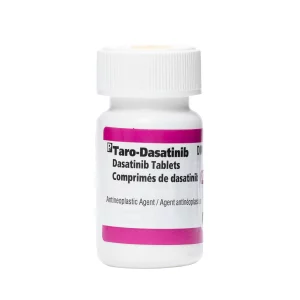
Commonly researched synthetic senolytics include dasatinib (originally a cancer drug), navitoclax (BCL-2 inhibitor), and other pharmaceutical compounds. These drugs typically have potent effects but require medical supervision.
Natural compounds with potential senolytic activity include quercetin (found in onions and apples), fisetin (in strawberries), and curcumin (from turmeric). Plant-based senolytics generally have milder effects but may be safer for long-term use.
Each type works through different mechanisms and has its place in anti-aging research. Synthetic senolytics often target specific molecular pathways, while natural compounds may have broader, gentler effects on cellular health.
Potential Benefits Beyond Longevity
Possible improvements in mobility, energy, and cognitive health represent important quality-of-life benefits. Senolytics may help maintain physical independence and mental clarity as people age.
Reducing inflammation through senescent cell clearance may support better overall well-being and disease prevention. Chronic inflammation contributes to many age-related conditions including cardiovascular disease, diabetes, and arthritis.
Benefits for skin health and physical performance include improved tissue repair and cellular function. Some people report better skin appearance, faster wound healing, and improved exercise tolerance after senolytic treatment.
Safety Considerations and Limitations
Senolytics are still being studied for long-term effects and optimal dosing strategies. Most research focuses on short-term safety and preliminary effectiveness rather than decades of use.
Uncertainties around dosing, frequency, and safety profiles require medical guidance for anyone considering senolytic therapy. Individual responses vary significantly based on age, health status, and genetic factors.
Results may vary based on age, health, and lifestyle factors that influence senescent cell burden and overall cellular function. Younger people may see less dramatic effects since they have fewer senescent cells to clear.
Lifestyle Strategies That Complement Senolytic Use
Exercise, healthy diet, and quality sleep enhance senolytic effects by supporting cellular health and natural cell clearance mechanisms. Physical activity helps maintain muscle mass and cardiovascular function during aging.
Nutrient-rich, anti-inflammatory foods support cell health and may have mild senolytic effects. Mediterranean-style diets rich in polyphenols and omega-3 fatty acids show consistent associations with healthy aging.
The synergy between medical interventions and daily wellness habits suggests comprehensive approaches work better than single strategies. Combining senolytics with healthy lifestyle choices may optimize anti-aging benefits.
Future Outlook for Senolytics in Anti-Aging
Personalized senolytic regimens based on individual senescent cell burden and aging biomarkers may become possible. Advanced testing could help identify who would benefit most from treatment.
Advances in biomarkers for detecting senescent cells include blood tests, imaging techniques, and tissue analysis methods. These tools may help monitor treatment effectiveness and guide dosing decisions.
Integration into mainstream longevity programs represents the long-term vision for senolytic therapy. These treatments might become part of routine preventive care for healthy aging, similar to current cardiovascular disease prevention strategies.
FAQs
What is senolytics anti aging?
Senolytics anti aging refers to using senolytic therapies to slow or reverse age-related decline by removing aging cells that contribute to inflammation and tissue dysfunction. This approach aims to extend healthy lifespan and improve quality of life.
Are there any best anti aging senolytic drugs available now?
Leading compounds being researched include dasatinib, quercetin, and fisetin, but most remain in clinical trials. Quercetin and fisetin are available as supplements, while pharmaceutical senolytics require medical supervision.
Can senolytic drugs anti aging effects extend lifespan?
Current data suggests potential for healthspan extension (years of healthy life), with lifespan effects still under study. Animal research shows both healthspan and lifespan improvements, but human longevity data requires longer study periods.
Are natural senolytics effective?
Quercetin, fisetin, and other plant-based compounds show early promising results in laboratory and animal studies. Natural senolytics may provide gentler effects that accumulate over time with consistent use.
Who might benefit most from senolytics?
They may be most relevant for older adults or those with higher age-related cell burden, under medical guidance. People with chronic inflammatory conditions or premature aging signs might be candidates for senolytic therapy.
References (APA)
Baker, D. J., Wijshake, T., Tchkonia, T., LeBrasseur, N. K., Childs, B. G., Van De Sluis, B., … & Van Deursen, J. M. (2011). Clearance of p16Ink4a-positive senescent cells delays ageing-associated disorders. Nature, 479(7372), 232-236. https://pubmed.ncbi.nlm.nih.gov/22048312/
Hickson, L. J., Langhi Prata, L. G. P., Bobart, S. A., Evans, T. K., Giorgadze, N., Hashmi, S. K., … & Kirkland, J. L. (2019). Senolytics decrease senescent cells in humans: Preliminary report from a clinical trial of Dasatinib plus Quercetin in individuals with diabetic kidney disease. EBioMedicine, 47, 446-456. https://pubmed.ncbi.nlm.nih.gov/31542391/
López-Otín, C., Blasco, M. A., Partridge, L., Serrano, M., & Kroemer, G. (2013). The hallmarks of aging. Cell, 153(6), 1194-1217. https://pubmed.ncbi.nlm.nih.gov/23746838/
Xu, M., Pirtskhalava, T., Farr, J. N., Weigand, B. M., Palmer, A. K., Weivoda, M. M., … & Kirkland, J. L. (2018). Senolytics improve physical function and increase lifespan in old age. Nature Medicine, 24(8), 1246-1256. https://pubmed.ncbi.nlm.nih.gov/29988130/
Yousefzadeh, M. J., Zhu, Y., McGowan, S. J., Angelini, L., Fuhrmann-Stroissnigg, H., Xu, M., … & Niedernhofer, L. J. (2018). Fisetin is a senotherapeutic that extends health and lifespan. EBioMedicine, 36, 18-28. https://pubmed.ncbi.nlm.nih.gov/30279143/
$839.99
This product has multiple variants. The options may be chosen on the product page
Save with sets
Unlock savings on bundles and elevate your online experience today!
Age Verification Required
This website contains information on research compounds intended for laboratory use only. You must be 21 years or older to enter and view this content. By entering, you also agree that all products are for research use only and are not intended for human consumption.

 130
130