Senolytics Cancer Prevention: Can Cells Be Controlled?
Articles
Table of contents
Senolytics are compounds designed to target and remove senescent (aging) cells that accumulate throughout the body over time. These cells stop dividing but remain metabolically active, releasing harmful substances that promote inflammation and tissue damage.
The link between cellular senescence, inflammation, and cancer risk has become a major focus in aging research. Senescent cells create environments that may encourage DNA damage and cell mutations that can lead to cancer development.
This article explores how senolytics may help in cancer prevention by targeting damaged cells before they become dangerous. We’ll examine how Senolytics improve physical function as part of overall health and discuss Senolytic Alzheimer’s prevention strategies. For those interested in comprehensive approaches, some may explore senolytics as part of their wellness routine.
Understanding Senolytics in the Context of Cancer Prevention
Senolytics serve the main purpose of removing senescent cells that have stopped dividing but continue to release harmful compounds. These aging cells accumulate in various tissues and organs throughout the body as we age.
Senescent cells remain metabolically active despite not dividing, releasing inflammatory proteins, growth factors, and enzymes. This secretory profile is called SASP (senescence-associated secretory phenotype) and creates a pro-inflammatory environment.
The SASP environment plays a significant role in inflammation and tumor growth by providing signals that can promote cell transformation and cancer progression. Understanding this connection helps explain why senolytic therapy might reduce cancer risk.
The Link Between Senescent Cells and Cancer Development
Accumulated senescent cells create a pro-inflammatory environment. This happens because not all senescent cells get flushed out. Because they stick around in our tissues, you put your body through chronic inflammation. Chronic inflammation is a well-established cancer risk factor that can damage DNA and promote cell mutations over time.
This inflammatory environment encourages DNA damage through oxidative stress and inflammatory molecules. When cells experience repeated damage, they may develop mutations that lead to uncontrolled growth and cancer formation.
Research shows connections between senescent cell buildup and higher cancer risk with age. Studies in mice demonstrate that tissues with more senescent cells develop more tumors, while senolytic treatment reduces cancer incidence.
How Senolytics May Help Prevent Cancer
Senolytics identify and clear senescent cells by targeting their specific survival mechanisms. These compounds exploit vulnerabilities that senescent cells develop, such as dependence on anti-apoptotic pathways.
Reducing the SASP environment could lower cancer-promoting signals throughout the body. Without constant inflammatory stimulation from senescent cells, tissues may maintain better DNA repair and cell quality control.
Potential immune system benefits come from reducing senescent cell burden, as these cells can impair immune surveillance. A stronger immune system better detects and eliminates cancer cells before they form tumors.
Evidence from Preclinical and Clinical Research
Key animal studies show reduced cancer incidence after senolytic treatment in various mouse models. Mice treated with senolytics develop fewer spontaneous tumors and show delayed cancer progression when tumors do form.
Early-stage human research includes safety studies and small clinical trials exploring senolytic effects. While promising, human cancer prevention studies require long follow-up periods to demonstrate effectiveness.
Current research gaps include optimal dosing schedules, best senolytic combinations, and identification of people who might benefit most. Long-term safety data and cancer outcome studies are still being collected.
Potential Role in High-Risk Populations
People with family history of cancer might benefit from senolytic therapy as part of comprehensive prevention strategies. Genetic predisposition combined with senescent cell accumulation could create higher risk environments.
Senolytics might be used alongside regular cancer screenings and lifestyle measures rather than replacing established prevention methods. Early detection remains crucial regardless of senolytic use.
Considerations for patients recovering from cancer treatment include using senolytics to prevent recurrence. Chemotherapy and radiation can increase senescent cell burden, potentially creating conditions that favor cancer return.
Common and Emerging Senolytic Compounds in Cancer Research
Well-known natural compounds include quercetin (found in onions and apples) and fisetin (in strawberries), which show senolytic activity in laboratory studies. These plant compounds target senescent cell survival pathways.
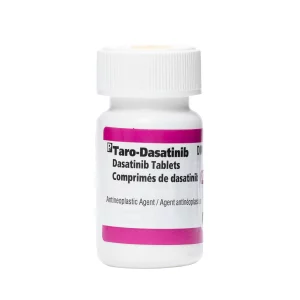
Synthetic options like dasatinib (originally a cancer drug) and navitoclax show potent senolytic effects in research settings. These pharmaceutical compounds often have stronger effects than natural options.
Combination approaches being tested include dasatinib plus quercetin, which shows enhanced senolytic activity compared to either compound alone. Research continues exploring optimal combinations for cancer prevention.
Lifestyle Factors That Work Alongside Senolytics
Diet, exercise, and stress management remain important for lowering cancer risk regardless of senolytic use. Anti-inflammatory foods and regular physical activity help reduce senescent cell accumulation naturally.
Examples of anti-inflammatory diets include Mediterranean-style eating patterns rich in fruits, vegetables, whole grains, and healthy fats. These foods provide compounds that may have mild senolytic effects.
Regular physical activity supports immune surveillance and helps maintain healthy tissue function. Exercise can reduce inflammation and may help clear senescent cells through natural mechanisms.
Future Directions in Senolytics for Cancer Prevention
Targeted therapies that only affect senescent cells in specific tissues represent an exciting research direction. Scientists are developing ways to deliver senolytics precisely where they’re needed most.
Personalized senolytic regimens based on individual cancer risk profiles and senescent cell burden may become possible. Biomarkers for cellular senescence could help identify optimal candidates.
Integration into mainstream cancer prevention strategies might include senolytics as part of routine health maintenance for older adults or high-risk individuals.
FAQs
What is senolytics cancer prevention?
Senolytics cancer prevention refers to using senolytic compounds to clear aging cells that may contribute to cancer risk through inflammatory signals and tissue damage. This approach aims to reduce cancer-promoting environments.
Can senolytics completely prevent cancer?
Senolytics may lower cancer risk but cannot guarantee complete prevention. Cancer development involves multiple factors including genetics, lifestyle, and environmental exposures that senolytics alone cannot address.
Are natural senolytics effective for cancer prevention?
Promising research exists on natural compounds like quercetin and fisetin, but more human studies are needed. Natural senolytics may provide modest prevention benefits as part of comprehensive health strategies.
How often would senolytics need to be taken for prevention?
Treatment cycles vary depending on the compound and individual health status. Most research uses intermittent dosing rather than daily treatment, but optimal schedules for cancer prevention remain under investigation.
Who should consider senolytics for cancer prevention?
They may be more relevant for those at higher cancer risk, including older adults or people with strong family histories. Professional guidance helps determine appropriateness and monitor for potential interactions.
References (APA)
Calcinotto, A., Kohli, J., Zagato, E., Pellegrini, L., Demaria, M., & Alimonti, A. (2019). Cellular senescence: aging, cancer, and injury. Physiological Reviews, 99(2), 1047-1078. https://pubmed.ncbi.nlm.nih.gov/30648461/
Coppé, J. P., Desprez, P. Y., Krtolica, A., & Campisi, J. (2010). The senescence-associated secretory phenotype: the dark side of tumor suppression. Annual Review of Pathology, 5, 99-118. https://pubmed.ncbi.nlm.nih.gov/20078217/
Demaria, M., O’Leary, M. N., Chang, J., Shao, L., Liu, S., Alimirah, F., … & Campisi, J. (2017). Cellular senescence promotes adverse effects of chemotherapy and cancer relapse. Cancer Discovery, 7(2), 165-176. https://pubmed.ncbi.nlm.nih.gov/27979832/
Salama, R., Sadaie, M., Hoare, M., & Narita, M. (2014). Cellular senescence and its effector programs. Genes & Development, 28(2), 99-114. https://pubmed.ncbi.nlm.nih.gov/24449267/
Wang, L., Lankhorst, L., & Bernards, R. (2022). Exploiting senescence for the treatment of cancer. Nature Reviews Cancer, 22(6), 340-355. https://pubmed.ncbi.nlm.nih.gov/35241831/
$839.99
This product has multiple variants. The options may be chosen on the product page
Save with sets
Unlock savings on bundles and elevate your online experience today!
Age Verification Required
This website contains information on research compounds intended for laboratory use only. You must be 21 years or older to enter and view this content. By entering, you also agree that all products are for research use only and are not intended for human consumption.

 130
130