Senolytics Immune Rejuvenation: Can They Rebuild You?
Articles
Table of contents
Senolytics are compounds that target and remove senescent (aging) cells from the body. These aging cells accumulate over time and release harmful chemicals that promote inflammation and tissue damage. Immune rejuvenation refers to the process of restoring and strengthening the immune system function as we age.
The connection between senolytics and immune health lies in how senescent cells interfere with normal immune responses. By clearing these damaged cells, senolytics may help restore more youthful immune function and reduce chronic inflammation.
This article explores the science, benefits, and future potential of senolytics for boosting immunity and overall vitality. We’ll examine how senolytic vs senomorphic approaches differ and discuss how Senolytics improve physical function as part of comprehensive aging strategies. For those interested in trying these compounds, some may consider senolytic products as part of their wellness routine.
Understanding Senolytics and Immune Rejuvenation
Senolytics work by identifying and clearing out damaged or aged cells that have stopped dividing but remain metabolically active. These senescent cells accumulate throughout the body as we age, releasing inflammatory molecules that disrupt normal tissue function.
The immune system protects health and longevity by defending against infections, cancer cells, and other threats. However, immune function naturally declines with age, a process called immunosenescence. This decline makes older adults more susceptible to infections and diseases.
Senolytics may support immune rejuvenation by reducing chronic inflammation caused by senescent cells. When these aging cells are removed, the immune system can function more efficiently without constantly responding to inflammatory signals from damaged tissue.
How Senolytics Target Aging Cells
Cellular senescence occurs when cells stop dividing due to damage, stress, or reaching their replication limit. While this process prevents damaged cells from becoming cancerous, senescent cells don’t die naturally and instead remain in tissues.
Senescent cells impact immunity and tissue function by releasing inflammatory proteins, growth factors, and other harmful molecules. This secretory profile, called SASP (senescence-associated secretory phenotype), creates a toxic environment that affects nearby cells and organs.
Senolytics identify and remove senescent cells by targeting their specific vulnerabilities. These compounds exploit differences between senescent and healthy cells, such as resistance to cell death or dependence on certain survival pathways.
Potential Benefits for the Immune System
Improved immune responsiveness and resilience may result from removing senescent cells that interfere with normal immune function. Young immune systems respond quickly and effectively to threats, while aged systems often show delayed or inadequate responses.
Reduced systemic inflammation represents another major benefit of senolytic therapy. Chronic inflammation accelerates aging and contributes to many age-related diseases. By removing the source of inflammatory signals, senolytics may help restore a more balanced inflammatory state.
Faster recovery from illness or injury becomes possible when the immune system functions optimally. Senescent cells can impair wound healing and tissue repair processes. Clearing these cells may allow the body to recover more efficiently from challenges.
Senolytics in Longevity and Healthy Aging
Senolytics play a role in promoting overall vitality and physical performance by targeting senescent cells throughout the body. These compounds may help maintain muscle strength, cardiovascular function, and cognitive abilities that typically decline with age.
Possible benefits for age-related decline in immune function include restored vaccine responses and better infection resistance. Older adults often show poor responses to vaccines, partly due to immune system aging. Senolytics might help restore more youthful immune responses.
Early evidence from animal studies shows promising results for lifespan extension and healthspan improvement. Human trials are beginning to explore similar benefits, though more research is needed to confirm long-term effects and optimal dosing strategies.
Current and Emerging Senolytic Compounds
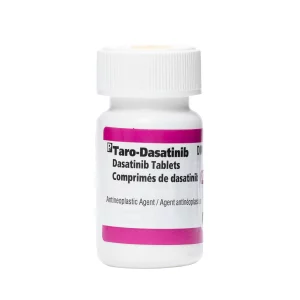
Common natural and synthetic senolytics include fisetin (found in strawberries), quercetin (in onions and apples), and dasatinib (a cancer drug). Each compound targets different pathways that senescent cells use for survival.
Fisetin works by disrupting anti-apoptotic pathways that prevent senescent cell death. Quercetin has similar effects and may be more effective when combined with dasatinib. These combinations often show greater senolytic activity than individual compounds.
Ongoing research explores combination therapies that target multiple senescent cell vulnerabilities simultaneously. Scientists are developing new senolytic drugs specifically designed to be more potent and selective than current options.
Factors That Influence Effectiveness
Age, lifestyle, and underlying health conditions affect how well senolytics work for different people. Younger individuals may have fewer senescent cells and thus see less dramatic effects. Those with chronic diseases may benefit more from senescent cell clearance.
Dosage, timing, and treatment cycles significantly influence senolytic effectiveness. Most research uses intermittent dosing rather than daily treatment. The optimal frequency and duration of senolytic cycles remain under investigation.
Professional guidance becomes essential before starting any senolytic regimen due to potential interactions and individual health considerations. Healthcare providers can assess whether senolytics are appropriate and monitor for any adverse effects.
The Future of Senolytics and Immune Rejuvenation
Personalized senolytic therapies may be developed based on individual senescent cell burden and immune profiles. Biomarkers for cellular senescence are being refined to identify who might benefit most from treatment.
Technological advances in detecting and targeting senescent cells include new imaging methods and more selective compounds. Researchers are developing ways to deliver senolytics specifically to tissues with high senescent cell populations.
Integration into preventative health and longevity programs represents the long-term vision for senolytic therapy. These treatments might become part of routine aging prevention, similar to how we currently approach cardiovascular disease prevention.
Final Thoughts
Senolytics represent a promising frontier in aging science, offering potential pathways to restore immune vitality and reduce age-related inflammation. While current research shows encouraging results, we’re still in the early stages of understanding optimal protocols and long-term effects. Natural compounds like fisetin and quercetin provide accessible entry points, but pharmaceutical developments may offer more targeted solutions. The key lies in approaching senolytic therapy thoughtfully, staying informed about emerging research, and viewing these compounds as part of a comprehensive healthy aging strategy rather than a magic bullet for reversing time.
FAQs
What is senolytics immune rejuvenation?
Senolytics immune rejuvenation refers to using senolytic compounds to remove aging cells and restore more youthful immune system function. This approach aims to reduce inflammation and improve immune responses that decline with age.
Are senolytics available now?
Some senolytic compounds are available as supplements, including fisetin and quercetin. However, many promising senolytics are still under study in clinical trials. Pharmaceutical-grade senolytic drugs require prescription and medical supervision.
Can senolytics reverse aging?
Senolytics can support healthier aging by removing damaged cells and reducing inflammation, but they cannot reverse the aging process entirely. They may help slow certain aspects of aging and improve healthspan rather than dramatically extending lifespan.
How soon can results be expected?
Effects may vary significantly between individuals and could take weeks to months to notice. Some people report improved energy or reduced joint discomfort within weeks, while other benefits may take longer to manifest.
Are natural senolytics effective?
Plant compounds like fisetin and quercetin show promise in laboratory and animal studies, but human research remains limited. Natural senolytics generally have milder effects than pharmaceutical versions but may still provide benefits with consistent use.
References (APA)
Chaib, S., Tchkonia, T., & Kirkland, J. L. (2022). Cellular senescence and senolytics: the path to the clinic. Nature Medicine, 28(8), 1556-1568. https://pubmed.ncbi.nlm.nih.gov/35953721/
Hickson, L. J., Langhi Prata, L. G. P., Bobart, S. A., Evans, T. K., Giorgadze, N., Hashmi, S. K., … & Kirkland, J. L. (2019). Senolytics decrease senescent cells in humans: Preliminary report from a clinical trial of Dasatinib plus Quercetin in individuals with diabetic kidney disease. EBioMedicine, 47, 446-456. https://pubmed.ncbi.nlm.nih.gov/31542391/
Justice, J. N., Nambiar, A. M., Tchkonia, T., LeBrasseur, N. K., Pascoe, R., Hashmi, S. K., … & Kirkland, J. L. (2019). Senolytics in idiopathic pulmonary fibrosis: results from a first-in-human, open-label, pilot study. EBioMedicine, 40, 554-563. https://pubmed.ncbi.nlm.nih.gov/30616998/
Xu, M., Pirtskhalava, T., Farr, J. N., Weigand, B. M., Palmer, A. K., Weivoda, M. M., … & Kirkland, J. L. (2018). Senolytics improve physical function and increase lifespan in old age. Nature Medicine, 24(8), 1246-1256. https://pubmed.ncbi.nlm.nih.gov/29988130/
Zhang, P., Kishimoto, Y., Grammatikakis, I., Gottimukkala, K., Cutler, R. G., Zhang, S., … & Gorospe, M. (2019). Senolytic therapy alleviates Aβ-associated oligodendrocyte progenitor cell senescence and cognitive deficits in an Alzheimer’s disease model. Nature Neuroscience, 22(5), 719-728. https://pubmed.ncbi.nlm.nih.gov/30936558/
$839.99
This product has multiple variants. The options may be chosen on the product page
Save with sets
Unlock savings on bundles and elevate your online experience today!
Age Verification Required
This website contains information on research compounds intended for laboratory use only. You must be 21 years or older to enter and view this content. By entering, you also agree that all products are for research use only and are not intended for human consumption.

 130
130