Hormones and Hair Loss: Hormonal Changes (Pregnancy, Menopause, Thyroid)
Articles
Table of contents
Hormones and hair loss share a direct and important connection. Your body’s hormones act as chemical messengers that control how your hair grows and sheds. When hormone levels change or become unbalanced, your hair follicles respond by growing less or shedding more. Hormones regulate the hair growth cycle through three distinct phases, and each strand goes through growth, rest, and shedding.
Common life events like pregnancy, menopause, and thyroid conditions often trigger temporary or chronic changes in hair density. The good news is that most cases of hormonal hair loss can be managed or reversed with the right approach. This article explores how different hormonal shifts affect hair and what can be done to restore balance and maintain healthy growth.
How Hormones Influence Hair Growth
Your hair follows a specific growth cycle controlled by hormones. The cycle has three phases: anagen (growth), catagen (transition), and telogen (shedding). Anagen is the growth phase where hair actively grows for several years. Catagen is a short transition phase lasting only weeks. Telogen is the resting phase when hair stops growing before falling out naturally.
Certain hormones like estrogen, progesterone, and thyroid hormones promote growth and keep hair in the anagen phase longer. Estrogen helps maintain thickness and extends how long strands stay on your head. Thyroid hormones regulate metabolism, which affects how much energy follicles have to produce new strands.
Other hormones, such as androgens like DHT (dihydrotestosterone), can shrink follicles over time. DHT is created when testosterone converts in your body. When follicles become sensitive to DHT, they produce thinner, shorter hairs with each growth cycle.
A healthy hormonal balance maintains consistent growth and renewal across the scalp. Disruptions can cause shorter growth phases or premature shedding, leading to noticeable thinning.
Hormonal Imbalance and Hair Loss
Hormonal imbalance and hair loss often occurs gradually and may coincide with other symptoms such as fatigue or irregular cycles. You might notice more strands in your brush or shower drain over time.
Key causes of hormonal imbalance include thyroid dysfunction, which affects hair when your thyroid produces too much or too little hormone. Hypothyroidism is an underactive thyroid. Hyperthyroidism is an overactive thyroid. Both conditions can disrupt the hair growth cycle.
Elevated androgens or DHT sensitivity can shrink hair follicles progressively. Even normal androgen levels may cause problems if your follicles are genetically sensitive to them.
Low estrogen or progesterone is common in menopause and affects follicle support. When these female hormones decline, androgens have a stronger relative influence on your scalp.
Postpartum hormonal drop after pregnancy happens when estrogen falls rapidly after childbirth. During pregnancy, high estrogen kept hair in the growth phase. After delivery, these hormones return to normal quickly, pushing many hairs into shedding at once.
Identifying the underlying hormonal cause is the first step toward effective treatment.
Hair Loss After Pregnancy
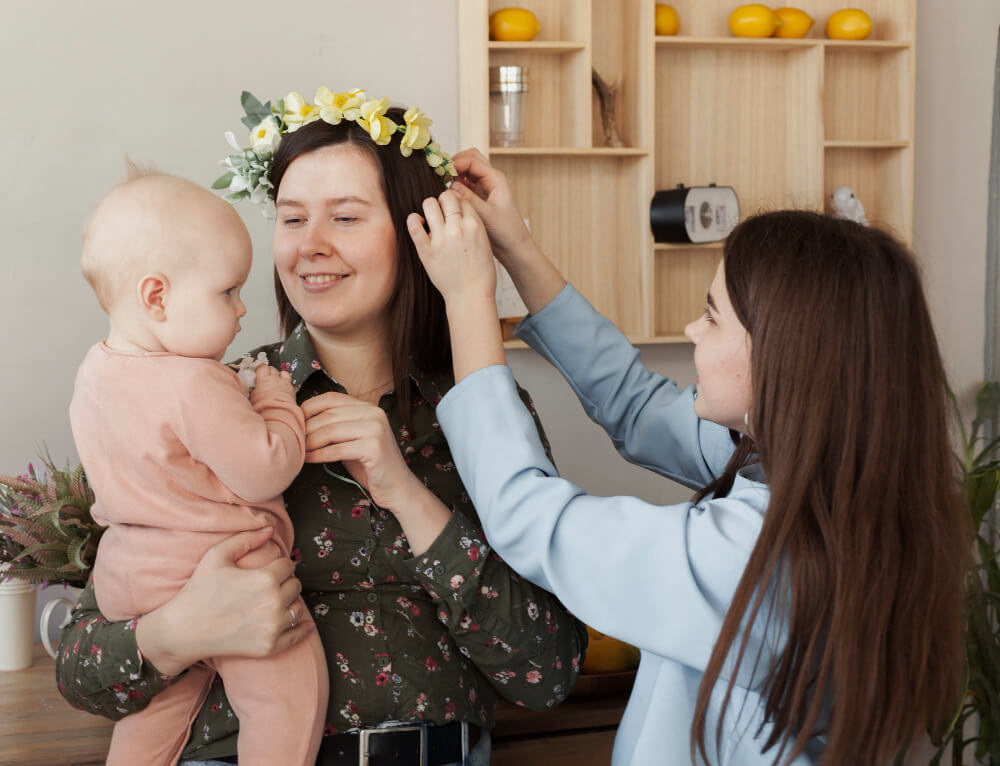
Many women experience postpartum hair loss due to a sudden drop in estrogen after childbirth. This change is natural and affects nearly half of all new mothers. The shedding typically begins two to four months after delivery.
During pregnancy, high estrogen levels keep hair in the growth phase, leading to thicker hair. After delivery, hormone levels return to normal, causing many hairs to enter the shedding phase at once. Instead of losing 50 to 100 hairs daily, you might shed 300 or more strands.
This type of loss is called telogen effluvium. Telogen effluvium is excessive shedding that happens when many hairs shift from growing to resting simultaneously. The condition is temporary and usually resolves within 6–12 months.
Balanced nutrition and gentle scalp & hair-care habits can support recovery. Your body needs protein, iron, and vitamins to produce healthy new growth.
Menopause and Hormonal Hair Thinning
Menopause causes lower estrogen and progesterone, leading to slower hair growth and weaker strands. During this transition, your ovaries produce significantly less of these protective hormones.
With reduced female hormones, androgens like testosterone and DHT may have a stronger impact on follicles. Your body still produces these androgens, but without enough estrogen to balance them, they influence your scalp more directly.
This often results in diffuse thinning on the top or crown of the scalp rather than full baldness. You might notice your part looks wider or your hair feels less dense overall.
Supportive strategies like a balanced diet, stress reduction, and medical evaluation for hormone replacement options can help. Focus on foods rich in protein and nutrients that address nutritional causes of hair loss. Regular exercise improves circulation to follicles.
Thyroid Hormones and Hair Loss
Both an overactive thyroid (hyperthyroidism) and underactive thyroid (hypothyroidism) can cause hair thinning. Your thyroid gland produces hormones that regulate metabolism throughout your body. Metabolism is the process cells use to create energy.
Thyroid hormones regulate metabolism, which affects follicle energy and renewal rate. When thyroid function drops below normal, follicles receive less energy and produce hair more slowly. When thyroid function is too high, rapid metabolism can exhaust follicles.
Hair may appear dry, brittle, or thin when thyroid levels are off. If hair loss accompanies fatigue, weight changes, or skin dryness, consult a doctor for thyroid function tests. Simple blood tests measure thyroid hormone levels accurately.
Once hormone levels stabilize, hair usually regrows within several months. Treatment restores normal metabolism, allowing follicles to receive adequate energy again.
Hair Loss and Hormone Therapy
Hair loss and hormone therapy can both cause and correct hormonal hair loss, depending on the treatment. For some women, hormone therapy helps rebalance estrogen and progesterone, improving hair density. Hormone replacement therapy (HRT) during menopause may restore levels that support follicle health.
Thyroid medication directly addresses imbalances that cause hair loss. Taking prescribed thyroid hormone replacement helps normalize metabolism and follicle function.
Any medication changes should be supervised by a healthcare professional to prevent side effects or further imbalance. Your doctor monitors hormone levels through regular blood tests.
Combining medical treatment with healthy nutrition and scalp care provides the best results. Consider exploring other health treatment options with your healthcare provider, as comprehensive hormonal balance affects multiple body systems.
Managing Hormonal Hair Loss Naturally
Lifestyle strategies support hormonal balance and can improve hair health. Eat a nutrient-rich diet with iron, zinc, and biotin. Iron carries oxygen to follicles. Zinc supports cell growth and repair. Biotin strengthens hair structure. Include lean proteins, leafy greens, nuts, and whole grains.
Exercise regularly to improve circulation and hormonal regulation. Physical activity increases blood flow to your scalp. Aim for 30 minutes of moderate activity most days.
Manage stress through sleep, mindfulness, or yoga. Chronic stress disrupts reproductive hormones and can trigger premature shedding. Develop a consistent sleep schedule allowing seven to nine hours nightly.
Avoid over-styling or tight hairstyles that strain the follicles. Constant tension from ponytails or braids can worsen loss when follicles are already weakened.
Patience is key. Hair recovery takes several months of consistency. Visible improvement typically appears three to six months after implementing changes.
When to Seek Medical Help
Consult a doctor or endocrinologist if hair loss continues for more than six months or worsens rapidly. Lab tests for thyroid hormones, estrogen, progesterone, and testosterone can help pinpoint the issue.
Professional diagnosis ensures the right treatment, whether medical, nutritional, or hormonal. Some imbalances respond to lifestyle changes alone. Others require medication like thyroid hormone replacement or hormone therapy.
With proper care, most forms of hormone-related hair loss are reversible. Once the underlying cause is addressed, follicles gradually return to normal function.
FAQs
How do hormones cause hair loss?
Hormonal fluctuations affect the hair growth cycle, shortening growth phases or triggering shedding. When hormone levels shift, more hairs may enter the resting phase simultaneously.
Can hormonal hair loss grow back?
Yes, in most cases. Once the underlying imbalance is treated, new hair growth usually begins within months. Full recovery may take six to twelve months.
Why does postpartum hair loss happen?
Due to a drop in estrogen after delivery, many hairs enter the shedding phase simultaneously. During pregnancy, elevated estrogen kept hair growing longer.
How does menopause affect hair thickness?
Lower estrogen levels weaken follicles and increase androgen influence, leading to thinning. Without enough estrogen to balance androgens, hair grows more slowly.
Can thyroid problems cause hair loss?
Yes, both hypothyroidism and hyperthyroidism can disrupt growth cycles, but regrowth occurs after treatment. Once thyroid medication stabilizes hormone levels, follicles receive adequate energy again.
Is hormone therapy safe for hair loss?
It can be effective under medical supervision but should always be tailored to individual hormone levels. When prescribed appropriately, hormone therapy may significantly improve hair density.
References (APA)
Grymowicz, M., Rudnicka, E., Podfigurna, A., Napierala, P., Smolarczyk, R., Smolarczyk, K., & Meczekalski, B. (2020). Hormonal effects on hair follicles. International Journal of Molecular Sciences, 21(15), 5342. https://pubmed.ncbi.nlm.nih.gov/32731328/
Thakur, K., Sharma, A., Sandhu, M., & Kaur, T. (2022). Impact of thyroid dysfunction on hair disorders. Cureus, 14(9), e29645. https://pubmed.ncbi.nlm.nih.gov/37692605/
$839.99
This product has multiple variants. The options may be chosen on the product page
Save with sets
Unlock savings on bundles and elevate your online experience today!
Age Verification Required
This website contains information on research compounds intended for laboratory use only. You must be 21 years or older to enter and view this content. By entering, you also agree that all products are for research use only and are not intended for human consumption.

 130
130