What’s Next in Hair Loss Treatment: Emerging Therapies You Should Know About
Articles
Table of contents
Hair loss affects millions worldwide and continues to inspire scientific innovation. New emerging therapies for hair loss are transforming how we approach hair restoration. From regenerative medicine to advanced drug development, researchers are discovering groundbreaking ways to treat thinning hair and baldness.
Traditional treatments have helped many people, but they have limitations. Today’s scientists are exploring cellular and biological approaches that go beyond simple stimulation. This article explores the most promising new therapies backed by ongoing research and clinical breakthroughs. You’ll learn about stem cells, gene editing, light therapy, and cutting-edge techniques that could change hair restoration forever. Maintaining good scalp & hair-care habits remains important while these exciting developments move toward wider availability.
Understanding Modern Therapies for Hair Loss
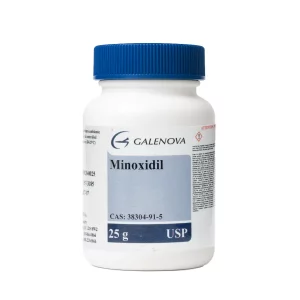
Modern therapies for hair loss represent a significant shift in treatment approaches. Traditional treatments like Minoxidil and Finasteride have dominated for decades. Minoxidil widens blood vessels to improve scalp circulation, while Finasteride blocks hormones that shrink hair follicles. While these help some people, they don’t work for everyone and require continuous use.
These limitations have pushed researchers to explore biological and cellular-based alternatives. Many patients see only modest improvement or experience effects that fade over time. Hair restoration is shifting from “stimulation” to “regeneration” with a focus on follicle repair, cell signaling, and long-term scalp health. Instead of simply encouraging existing follicles to work harder, new approaches aim to wake dormant follicles or even create new ones.
Regenerative Medicine and Stem Cell Advances
Regenerative approaches aim to restore damaged hair follicles using stem cells, exosomes, and growth factors. Mesenchymal stem cells (MSCs) are special cells that can become different tissue types and are being studied for their ability to activate dormant follicles and improve hair density. Early trials show improved regrowth without surgery or hormone-altering drugs.
Exosome-based treatments are emerging as a less invasive alternative with strong potential for both men and women. Exosomes are tiny particles released by cells that carry growth signals. When applied to the scalp, they signal follicles to enter active growth phases. Research shows they may reduce inflammation and improve follicle health over time.
Gene Therapy and Molecular Research
Gene therapy focuses on identifying and silencing genes linked to hair loss, including genes controlling DHT sensitivity or follicle shrinkage. Recent breakthroughs manipulate signaling pathways like Wnt/β-catenin, known to regulate follicle regeneration. Activating this pathway can potentially restart the growth process in follicles that have stopped producing hair.
Researchers are exploring “hair cloning,” which could one day allow new follicle growth from a patient’s own cells. This involves taking healthy follicle cells, multiplying them in a laboratory, and implanting them back into the scalp to create new, functioning follicles. While still in clinical phases, gene-based solutions could revolutionize long-term hair restoration with permanent changes rather than treatments requiring continuous use.
Platelet-Rich Plasma (PRP) and Growth Factor Innovations
PRP therapy uses a patient’s blood plasma to deliver concentrated growth factors that stimulate follicle repair. Your blood is drawn and processed to separate out platelets containing powerful growth factors. When concentrated platelets are injected into your scalp, they activate repair processes in dormant follicles.
Ongoing refinements to PRP formulations, such as combining them with peptides, vitamins, or stem cell extracts enhance results. Studies show PRP can increase hair density and thickness when performed regularly under medical supervision. Understanding the connection between hair loss and emotional impact helps patients appreciate why these regenerative approaches matter so much for quality of life.
PRP remains one of the most accessible regenerative treatments available today, with many dermatology clinics offering it. The procedure typically takes about an hour, and patients can return to normal activities immediately.
Low-Level Laser Therapy (LLLT) and Light-Based Treatments
LLLT uses specific wavelengths of light to energize hair follicles and reduce inflammation. Red light penetrates the scalp and reaches follicles beneath the skin, stimulating cellular activity. This therapy increases blood flow and cellular activity, promoting healthier and thicker hair.
New home-use laser caps and clinical-grade devices make treatment more convenient. While LLLT is best for mild to moderate hair loss, it’s a safe, non-invasive complement to other treatments with minimal side effects. Many people combine LLLT with topical treatments or supplements for better outcomes.
3D Bioprinting and Hair Follicle Engineering
Researchers are developing technology to 3D bioprint hair follicles in laboratory conditions using stem cells and scaffold technology. Bioprinting works like a 3D printer but uses living cells to create structures layer by layer with precise positioning of different cell types.
While still experimental, early studies show success in growing functional follicles capable of producing hair shafts. When implanted into mice, these bioprinted structures have generated real hair. This technology could eventually replace hair transplants with lab-grown follicles, helping patients who don’t have enough donor hair for traditional transplants.
Nutraceuticals and Advanced Topical Formulations
Modern nutraceuticals combine vitamins, minerals, and botanical extracts to support scalp and follicle function internally. New topical treatments contain peptides, caffeine, or growth-factor mimetics designed to enhance absorption and follicle stimulation.
These formulations often complement medical therapies by improving scalp circulation and barrier health. The trend toward holistic, combination-based hair care integrates nutrition, lifestyle, and topical science. Those exploring comprehensive wellness may also benefit from discussing different health support formulas with their healthcare provider, as hormonal balance affects multiple body systems.
Hormonal and Immune System Regulation Therapies
Immune-modulating drugs are being investigated for autoimmune-related hair loss such as alopecia areata. FDA-approved JAK inhibitors like baricitinib show promise for restoring full hair coverage by blocking enzymes that promote inflammation. Clinical trials show that many patients regrow significant amounts of hair within months.
Hormonal therapies targeting estrogen, testosterone, or DHT pathways are being fine-tuned to reduce issues while improving results. These emerging medical options offer hope for patients unresponsive to older treatments.
The Future of Hair Regeneration
Ongoing research combines genetics, stem cells, and bioengineering to permanentlyrestore hair growth. AI-driven diagnostics and personalized medicine are helping tailor treatments to individual causes and biology. The ultimate goal is long-lasting follicle reactivation and prevention rather than maintenance.
Scientific progress is rapidly transforming the outlook for those struggling with hair loss. Within the next five to ten years, some of these emerging therapies may become widely available. The future of hair restoration looks brighter than ever before.
FAQs
What are the most promising emerging therapies for hair loss?
Stem cell therapies, exosome treatments, and PRP are leading regenerative solutions supported by early research. These approaches work by repairing follicles at the cellular level and have shown encouraging results in clinical studies.
Are modern hair loss treatments safe?
Most emerging therapies are non-invasive and clinically tested, but should be performed by trained professionals for optimal safety. Since many use their own cells or natural light therapy, risks are generally minimal compared to medications.
When will gene or stem cell therapies become widely available?
They are still under trial but could reach broader use within the next 5–10 years as studies progress. Regulatory approval takes time to ensure safety and effectiveness, but progress is accelerating rapidly.
Can new therapies help with all types of hair loss?
Results depend on the underlying cause, genetic, hormonal, or autoimmune, but emerging treatments show promise across categories. Some therapies work better for specific types, which is why personalized diagnosis matters.
How can I prepare for these new treatment options?
Maintain good scalp health, consult with specialists, and monitor clinical updates for upcoming therapies. Keeping your scalp in good condition now will help you achieve better results when new treatments become available.
References (APA)
Abaci, H. E., Coffman, A., Doucet, Y., Chen, J., Jacków, J., Wang, E., … & Christiano, A. M. (2018). Tissue engineering of human hair follicles using a biomimetic developmental approach. Nature Communications, 9(1), 5301. https://pubmed.ncbi.nlm.nih.gov/30546011/
Fukuda, J., et al. (2022). Bioprinting of hair follicle germs for hair regenerative medicine. Acta Biomaterialia, 165, 19-30. https://pubmed.ncbi.nlm.nih.gov/35718100/
Kim, J., Song, S. Y., & Sung, J. H. (2025). Recent advances in drug development for hair loss. International Journal of Molecular Sciences, 26(3), 3461. https://pubmed.ncbi.nlm.nih.gov/40331976/
King, B., Senna, M. M., Mesinkovska, N. A., Lynde, C., Zirwas, M., Maari, C., … & Dutronc, Y. (2024). Efficacy and safety of deuruxolitinib in adults with alopecia areata. Journal of the American Academy of Dermatology, 91(5), 880-888. https://pubmed.ncbi.nlm.nih.gov/39053611/
$839.99
This product has multiple variants. The options may be chosen on the product page
Save with sets
Unlock savings on bundles and elevate your online experience today!
Age Verification Required
This website contains information on research compounds intended for laboratory use only. You must be 21 years or older to enter and view this content. By entering, you also agree that all products are for research use only and are not intended for human consumption.

 130
130