How Androgenetic Alopecia Works and What You Can Do
Articles
Table of contents
Pattern hair loss affects millions of people worldwide. Just like many things, there are variations. Understanding it is the first step toward managing it effectively. Androgenetic alopecia is the most common type of hair loss, and it affects both men and women. This condition develops gradually and is related to hormones, genetics, and the natural aging process. While it may feel overwhelming at first, the good news is that androgenetic alopecia can be managed with the right approach and early action. In this article, we start off a new series of blogs pertaining to hair loss. We will first explain how androgenetic alopecia develops and what you can do to slow or manage it successfully.
What Is Androgenetic Alopecia?
Androgenetic alopecia is gradual hair thinning caused by a combination of genetics and hormones. It’s often called “male pattern baldness” in men or “female pattern hair loss” in women. While this condition is common, it affects people differently based on gender and family history. The pattern of thinning varies from person to person, with some experiencing more noticeable changes than others.
Early recognition and treatment can help you maintain healthy hair longer. Understanding what causes this condition empowers you to take action before significant thinning occurs. The earlier you address pattern hair loss, the better your chances of preserving your natural hair density and appearance.
How Androgenetic Alopecia Develops
The development of androgenetic alopecia involves hormones called androgens, especially one called DHT (dihydrotestosterone). DHT is a hormone that affects hair follicles in specific areas of the scalp. These follicles are the small structures beneath your skin where hair grows.
DHT shortens the hair growth cycle, which means each new hair strand grows for a shorter time. This makes each new hair finer and shorter than before. Over time, the follicles continue to shrink. Eventually, they may stop producing visible hair altogether. This process happens gradually, which is why pattern hair loss develops slowly over months and years.
The key is that not all hair follicles are equally sensitive to DHT. Some areas of your scalp remain resistant to these hormonal effects, which is why you often see specific patterns of hair loss rather than complete baldness everywhere.
Androgenetic Alopecia in Men
Androgenetic alopecia male pattern, typically shows up as a receding hairline that moves backward from the temples. Men also experience thinning at the crown (the top of the head). Over time, these areas may meet, leading to baldness on top while hair remains on the sides and back.
Genetics plays a major role in male pattern baldness. If your close male relatives experienced hair loss, your risk is higher. However, genetics isn’t the only factor at play. Lifestyle factors such as chronic stress, poor nutrition, and certain medications can worsen the thinning process.
What can men do early? The most important step is getting a professional diagnosis as soon as you notice changes. Consistent care and treatment work best when started before significant baldness occurs. Early action helps preserve more of your existing hair and can even restore some density.
Androgenetic Alopecia in Women
Women experience pattern hair loss differently from men.In Androgenetic alopecia women typically see diffuse thinning over the top of the scalp rather than a receding hairline. The part line gradually becomes wider, and the hair appears less dense overall. The frontal hairline usually remains intact in women.
Hormonal changes can trigger or worsen this condition in women. These changes might occur after menopause, during pregnancy, or due to thyroid issues (learn more about hair loss and thyroid disease. Other factors, like stress or nutritional deficiencies, can also contribute to thinning.
It’s important to know that female pattern hair loss rarely causes complete baldness. However, it can still significantly affect confidence and self-image. The good news is that timely treatment can slow the progression and restore density in many cases. Women who address their hair concerns early often see the best long-term results.
How to Recognize Early Signs of Pattern Hair Loss
Catching the early signs of pattern hair loss gives you the best chance for successful management. Common early symptoms include noticeable thinning at the crown, a widening part line, and excess shedding when brushing or washing your hair. You might also notice that your ponytail feels thinner or that more hair collects in the shower drain.
Early detection leads to better outcomes because treatments work best before follicles shrink permanently. Once follicles become completely inactive, restoring growth becomes much more difficult. That’s why paying attention to changes in your hair is so important.
Track your hair changes over time by taking photos every few months. If you notice persistent thinning that continues for several weeks, seek professional advice. A healthcare provider can determine whether you’re experiencing androgenetic alopecia or another form of hair loss, such as telogen effluvium, which is temporary shedding triggered by stress or illness.
What You Can Do to Manage Androgenetic Alopecia
Managing androgenetic alopecia involves a combination of lifestyle strategies and targeted treatments. Start with the basics: maintain a balanced diet rich in proteins, vitamins, and minerals that support hair health. Reduce stress through regular exercise, adequate sleep, and relaxation techniques. Practice gentle scalp care by avoiding harsh chemical treatments and tight hairstyles that pull on your hair.
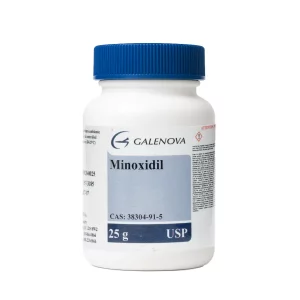
Over-the-counter options like minoxidil can help stimulate growth. Minoxidil works by extending the growth phase of hair follicles and increasing blood flow to the scalp. This helps existing hairs grow thicker and can even wake up dormant follicles.
Consistency is key with any hair loss treatment. Results take time to appear. Typically three to six months. Don’t get discouraged if you don’t see immediate changes. Stick with your routine and give treatments time to work. Professional treatments or supplements can provide additional support for long-term results.
Professional Treatments for Hair Regrowth
Several medical and cosmetic solutions are available for treating alopecia and promoting hair regrowth. PRP therapy (platelet-rich plasma) involves using your body’s own growth factors to stimulate hair follicles. This natural approach has shown promising results for many people with pattern baldness.
Laser treatments use low-level light to energize hair follicles and improve scalp health. Topical medications can be prescribed by dermatologists or trichologists based on your specific situation. These specialists can customize a treatment plan that addresses the severity of your hair loss and your individual needs.
The focus is on accessible, non-invasive, and safe approaches that fit into your lifestyle. Professional guidance helps you choose the right combination of treatments. Remember that early action provides the best chance to maintain strong hair and prevent further progression.
Supporting Healthy Hair Long-Term
Long-term hair health requires ongoing attention and care. Incorporate nutrient-rich foods into your daily meals, including foods high in biotin, iron, zinc, and omega-3 fatty acids. These nutrients provide the building blocks your hair needs to grow strong and healthy.
Regular scalp massage improves blood circulation to hair follicles, which can enhance growth. Use gentle, circular motions with your fingertips for a few minutes each day. Avoid harsh chemicals found in some styling products, and limit the use of heat styling tools that can damage hair. Skip tight hairstyles like ponytails or braids that create tension on your scalp.
Schedule regular checkups with your healthcare provider to track your progress and adjust treatments as needed. These visits help prevent further loss and ensure your treatment plan remains effective. Managing androgenetic alopecia is a continuous process, not a one-time fix. Consistency and patience lead to the best long-term outcomes.
FAQs
What causes androgenetic alopecia?
Androgenetic alopecia results from a combination of genetic factors, hormones (particularly DHT), and natural aging. Your genes determine which hair follicles are sensitive to DHT. When these follicles are exposed to DHT over time, they gradually shrink and produce thinner hairs. Age plays a role because hormonal changes occur naturally as we get older.
Can women get androgenetic alopecia too?
Yes, women can definitely develop androgenetic alopecia. However, the pattern looks different in women compared to men. Women typically experience diffuse thinning across the top of the scalp rather than complete baldness. Their hairline usually stays intact, but the overall density decreases, making the scalp more visible through the hair.
Is androgenetic alopecia reversible?
Androgenetic alopecia cannot be fully reversed to restore all lost hair. However, early treatment can slow the progression significantly and partially restore growth in many cases. Treatments work by protecting existing hairs and stimulating follicles that are still active. The key is starting treatment before follicles become permanently inactive.
How long does it take to see results from treatment?
Results from treatment usually become noticeable after three to six months of consistent use of recommended products. Hair grows slowly, and follicles need time to respond to treatment. Some people see improvements sooner, while others need to wait longer. Patience and consistency are essential. Don’t give up if results aren’t immediate.
When should I see a doctor for hair loss?
You should seek medical advice if hair thinning continues for more than a few months or becomes noticeable on your scalp. If you’re experiencing rapid shedding, patchy baldness, or hair loss accompanied by other symptoms like itching or pain, see a doctor promptly. Early professional evaluation leads to better treatment outcomes.
References (APA)
Amoretti, A., Laydner, H., & Bergfeld, W. (2013). Androgenetic alopecia and risk of prostate cancer: a systematic review and meta-analysis. Journal of the American Academy of Dermatology, 68(6), 937-943. https://pubmed.ncbi.nlm.nih.gov/23395589/
Hillmer, A. M., Hanneken, S., Ritzmann, S., Becker, T., Freudenberg, J., Brockschmidt, F. F., … & Kruse, R. (2005). Genetic variation in the human androgen receptor gene is the major determinant of common early-onset androgenetic alopecia. American Journal of Human Genetics, 77(1), 140-148. https://pubmed.ncbi.nlm.nih.gov/15902657/
Quinn, M., Shinkai, K., Pasch, L., Kuzmich, L., Cedars, M., & Huddleston, H. (2014). Prevalence of androgenic alopecia in patients with polycystic ovary syndrome and characterization of associated clinical and biochemical features. Fertility and Sterility, 101(4), 1129-1134. https://pubmed.ncbi.nlm.nih.gov/24534277/
Schweiger, E. S., Boychenko, O., & Bernstein, R. M. (2010). Update on the pathogenesis, genetics, and medical treatment of patterned hair loss. Journal of Drugs in Dermatology, 9(11), 1412-1419. https://pubmed.ncbi.nlm.nih.gov/21061765/
$839.99
This product has multiple variants. The options may be chosen on the product page
Save with sets
Unlock savings on bundles and elevate your online experience today!
Age Verification Required
This website contains information on research compounds intended for laboratory use only. You must be 21 years or older to enter and view this content. By entering, you also agree that all products are for research use only and are not intended for human consumption.

 130
130