Why You’re Losing More Hair Than Usual: A Deep Dive into Telogen Effluvium
Articles
Table of contents
If you’ve noticed more hair than usual on your pillow or in the shower, you might be experiencing telogen effluvium. This condition is one of the most common causes of temporary hair loss, often triggered by stress, illness, or hormonal changes. The good news is that telogen effluvium is manageable and not permanent. Your hair can and will grow back once the underlying cause is addressed. This article will explain what telogen effluvium is, its symptoms, causes, and treatments, and how you can support healthy hair growth again. Understanding this condition is the first step toward recovery and feeling confident about your hair health once more.
What Is Telogen Effluvium?
Telogen effluvium is a condition where more hairs than normal enter the shedding phase of the growth cycle. This happens because something disrupts your body’s natural rhythm. To understand this better, it helps to know about the hair growth cycle, which has three phases.
The first phase is anagen, which is the growth phase. During this time, your hair actively grows for several years. The second phase is catagen, which is a brief transition phase lasting about two weeks. The third phase is telogen, which is the rest and shedding phase. During telogen, hairs stop growing and eventually fall out after resting for a few months.
Telogen effluvium happens when stressors shift many hairs prematurely into the telogen phase. Instead of the normal 10-15% of hairs resting at any time, suddenly 30% or more enter this phase. This causes noticeable thinning. The condition usually appears as overall thinning rather than bald patches. Most importantly, it’s typically temporary, and your follicles remain healthy and capable of producing new hair.
Common Telogen Effluvium Symptoms
Recognizing telogen effluvium symptoms helps you understand what’s happening and when to seek help. Excessive daily hair shedding is one of the main signs you’ll notice. While most people lose 50-100 hairs per day normally, those with telogen effluvium may lose 100-300 hairs daily.
Your hair may appear thinner overall, especially on the crown or temples. However, your scalp usually looks healthy without redness, flaking, or irritation. You might notice more hair on your pillows when you wake up. The shower drain might collect more hair than usual. Your hairbrush fills up faster with shed hairs.
Unlike genetic hair loss conditions such as androgenetic alopecia, the follicles in telogen effluvium remain active. This means they’re still capable of regrowth once the trigger is resolved. The thinning is diffuse, meaning it spreads evenly across your scalp rather than creating distinct bald spots or patches.
What Causes Telogen Effluvium?
The condition often occurs 2-3 months after a trigger event that disrupts your normal hair cycle. This delay happens because hairs need time to move through the growth phases before they shed. Understanding common causes helps you identify what might have triggered your hair loss.
Physical stress is a major trigger. This includes severe illness, high fever, or surgery. Your body redirects resources during times of physical stress, which can affect hair growth. Emotional stress also plays a significant role. Major life changes, grief, or ongoing anxiety can push hairs into the shedding phase.
Hormonal changes are another common cause. Childbirth is one of the most frequent triggers because pregnancy hormones keep many hairs in the growth phase. After delivery, these hairs suddenly shift to the shedding phase together. Menopause and thyroid imbalances can also trigger telogen effluvium.
Nutritional deficiencies matter too. Low iron levels, vitamin D deficiency, and insufficient protein intake can all cause hair shedding. Rapid weight loss or restrictive diets shock your system and trigger hair loss. Certain medications or medical procedures involving anesthesia can also be culprits.
Identifying and addressing the root cause is the first step toward recovery. Once you remove or manage the trigger, your hair cycle can normalize.
Types of Telogen Effluvium
There are two main types of telogen effluvium: acute and chronic. Understanding which type you have helps set realistic expectations for recovery.
Acute telogen effluvium is usually short-term, lasting less than six months. It’s triggered by a single identifiable event like surgery, illness, or a stressful period. Once the trigger is resolved, hair typically begins growing back within a few months. This is the most common form and has an excellent prognosis.
Chronic telogen effluvium persists for more than six months. It’s often linked to ongoing stress, hormonal imbalance, or underlying health issues that haven’t been fully addressed. Some people experience fluctuating periods of shedding over years. This type requires more investigation to identify ongoing triggers.
The good news is that both forms are reversible when the underlying cause is properly managed. Even chronic telogen effluvium can improve with the right approach and patience.
Diagnosing Telogen Effluvium
Dermatologists or trichologists diagnose telogen effluvium through several methods. A thorough scalp examination comes first. Your doctor will look at your overall hair density and check for any signs of inflammation or other scalp conditions.
The pull test is a common diagnostic tool. Your doctor gently tugs on a small section of hair to see how many strands come out. Pulling 4-6 or more hairs with white bulbs at the roots suggests telogen effluvium. A medical history review is equally important. Your doctor will ask about recent stressors, illnesses, dietary changes, or medications.
Sometimes, blood tests help identify underlying issues. These might check for iron deficiency, vitamin D levels, thyroid function, or other nutritional deficiencies. Diagnosis also focuses on ruling out other causes. Your doctor will distinguish telogen effluvium from conditions like alopecia areata or pattern hair loss.
The diagnosis process is straightforward and helps create a targeted treatment plan. Proper diagnosis ensures you receive the right support for your specific situation.
Telogen Effluvium Treatment Options
Telogen effluvium treatment depends on addressing the underlying cause rather than just masking symptoms. The most effective approach combines multiple strategies tailored to your specific triggers.
Lifestyle and nutrition form the foundation of treatment. A balanced diet with sufficient protein, iron, and vitamins supports healthy hair growth. Your body needs building blocks to create new hair strands. Focus on eating whole foods rich in nutrients that support hair health.
Stress management plays a crucial role in recovery. Meditation, deep breathing exercises, and adequate sleep help lower stress hormones. Light exercise like walking or yoga improves circulation and reduces tension. These practices support your body’s natural healing processes.
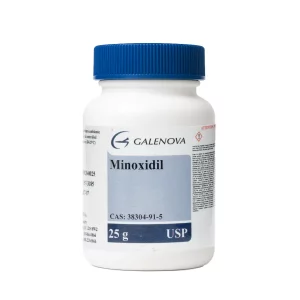
Medical support may include topical minoxidil to stimulate regrowth when recommended by a doctor. Minoxidil helps extend the growth phase of hair follicles. However, it’s most effective when combined with addressing the root cause. Your doctor can determine if this treatment is right for you.
Supplements like biotin, zinc, or vitamin D may help if you have deficiencies. Always take supplements under medical supervision to ensure proper dosing. Blood tests can identify which nutrients you need most.
Full recovery may take 3-6 months after the trigger is removed. Your hair cycle needs time to reset and normalize. Patience is essential during this process.
How Long Does It Take to Recover from Telogen Effluvium?
Most people notice improvement within several months as the hair cycle normalizes. The timeline varies based on how quickly you address the trigger and your individual biology. Understanding the typical recovery timeline helps set realistic expectations.
Hair regrowth often begins around 3-4 months after the trigger is resolved. You might notice short new hairs appearing along your hairline or part. These baby hairs are a positive sign that your follicles are active again. Complete recovery can take up to 9-12 months for the thicker density to return.
Remember that hair grows slowly, about half an inch per month on average. It takes time for new hair to reach a length where it adds noticeable volume. During recovery, you might still see some shedding as old hairs complete their cycle.
Follicles are rarely damaged in telogen effluvium, which means regrowth is the usual outcome. This distinguishes it from scarring forms of hair loss. Your follicles remain intact and ready to produce new hairs once conditions improve.
Tips to Support Healthy Hair Growth During Recovery
Gentle hair care is essential during recovery. Avoid tight hairstyles like ponytails, buns, or braids that create tension on your scalp. These can worsen shedding and damage delicate new growth. Let your hair down as much as possible.
Limit heat styling tools like blow dryers, flat irons, and curling irons. Excessive heat can damage hair shafts and make thinning more noticeable. When you do style, use the lowest effective temperature and apply heat protectant products.
Regular scalp massage stimulates blood flow to hair follicles. Use gentle circular motions with your fingertips for 5-10 minutes daily. This promotes nutrient delivery to follicles and feels relaxing. You can do this while shampooing or as a separate practice.
Maintain a nutrient-rich diet with plenty of hydration. Eat foods high in protein, iron, omega-3 fatty acids, and vitamins. Drink water throughout the day to keep your body and scalp well-hydrated. Good nutrition supports the entire regrowth process.
Use mild, sulfate-free shampoos and balanced conditioners. Harsh chemicals can irritate your scalp and damage hair. Look for gentle formulas designed for thinning hair. Be patient with yourself and your hair. Recovery takes time, but consistency with these practices pays off.
When to See a Doctor
Seek professional help if hair shedding continues for more than six months without improvement. Prolonged shedding might indicate chronic telogen effluvium or another underlying condition. A doctor can investigate further and adjust your treatment plan.
Visible bald patches suggest something other than typical telogen effluvium. Patchy hair loss might indicate alopecia areata or another specific condition. These require different treatment approaches.
Itching, scalp inflammation, or pain aren’t normal with telogen effluvium. These symptoms could signal an infection, inflammatory condition, or allergic reaction. Don’t ignore unusual scalp sensations.
For women experiencing hair thinning, professional evaluation is especially important. Hormonal factors may need assessment (learn more about female hair loss). Blood work can identify thyroid issues, hormonal imbalances, or nutritional deficiencies.
A dermatologist can provide personalized care and medical testing. They’ll create a treatment plan specific to your needs and monitor your progress over time.
FAQs
What is the main cause of telogen effluvium?
Telogen effluvium is usually triggered by stress, illness, hormonal imbalance, or nutritional deficiency. Physical stressors like surgery or high fever are common triggers. Emotional stress from major life changes can also cause it. Hormonal shifts during childbirth or menopause frequently lead to telogen effluvium. Inadequate nutrition, especially low iron or protein, is another key cause. The trigger typically occurs 2-3 months before you notice hair loss.
How can I tell if I have telogen effluvium or something else?
Telogen effluvium causes diffuse thinning across your entire scalp, not patchy bald spots. The scalp looks healthy without redness or inflammation. Hair shedding is excessive but temporary. A doctor can confirm the diagnosis through a “pull test” and medical history. Pattern hair loss shows specific patterns, like receding hairlines. Alopecia areata creates round bald patches. Professional diagnosis ensures you get the right treatment.
Does telogen effluvium cause permanent hair loss?
No, telogen effluvium is temporary in most cases. Most people fully recover once the underlying cause is addressed. Your hair follicles remain healthy and capable of regrowth. The condition doesn’t damage or destroy follicles like some other forms of hair loss. With proper care and patience, your hair density typically returns to normal. Recovery usually takes 6-12 months after resolving the trigger.
Can telogen effluvium happen after COVID-19 or illness?
Yes, telogen effluvium commonly occurs after viral infections or fever. COVID-19 has been a frequent trigger for many people. Your body experiences stress during illness and recovery. This stress can push hairs into the shedding phase. Hair loss typically appears 2-4 months after recovering from the illness. This post-viral shedding is well-documented and usually resolves with time.
What can I do at home to speed up hair regrowth?
Focus on proper nutrition with adequate protein, iron, and vitamins. Manage stress through meditation, exercise, and good sleep habits. Practice gentle scalp care and avoid harsh treatments. Consider scalp massage to improve blood circulation. Stay patient during the regrowth cycle, as hair grows slowly. Avoid crash diets or extreme lifestyle changes. Maintain consistency with healthy habits. Most importantly, address whatever triggered the hair loss in the first place.
Rebora, A. (2004). Telogen effluvium: A comprehensive review. Clinical, Cosmetic and Investigational Dermatology, 12, 583-590. https://pubmed.ncbi.nlm.nih.gov/31686886/
Sinclair, R. (2015). Chronic telogen effluvium: A study of 5 patients over 7 years. Journal of the American Academy of Dermatology, 52(1), 12-16. https://pubmed.ncbi.nlm.nih.gov/15692504/
$839.99
This product has multiple variants. The options may be chosen on the product page
Save with sets
Unlock savings on bundles and elevate your online experience today!
Age Verification Required
This website contains information on research compounds intended for laboratory use only. You must be 21 years or older to enter and view this content. By entering, you also agree that all products are for research use only and are not intended for human consumption.

 130
130