Is Your Relationship Affecting Your ED? Emotional Factors Explained
Articles
Table of contents
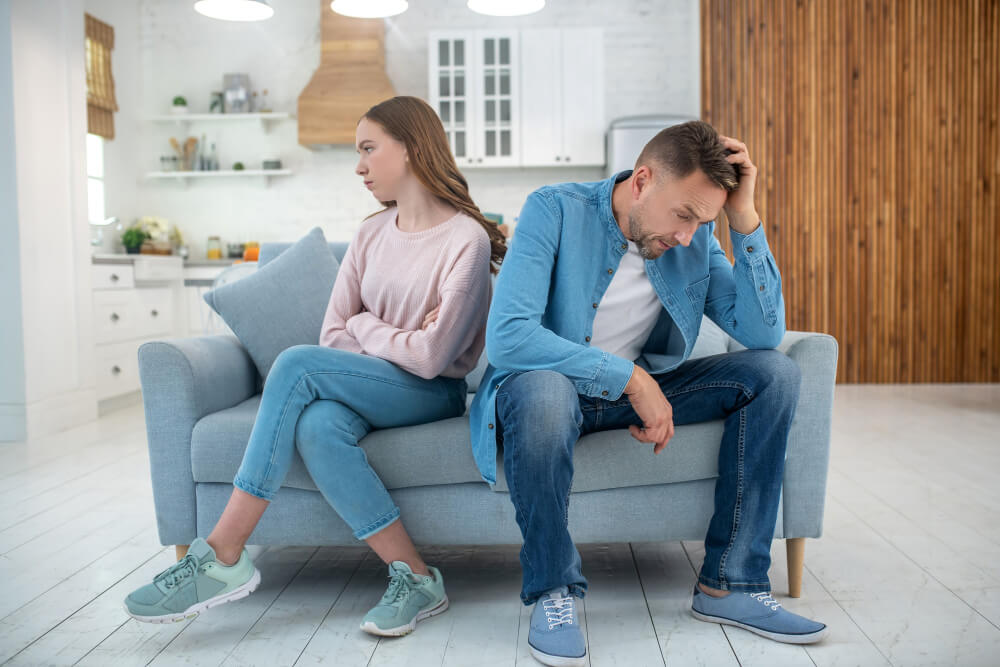
Erectile dysfunction means difficulty getting or keeping an erection firm enough for sex. Emotions, stress, and relationship dynamics all influence this condition. Communication, trust, and emotional closeness affect sexual function. The connection between relationship problems erectile dysfunction is well-documented. When couples face conflict or distance, physical intimacy suffers. Understanding this link helps couples address both emotional and sexual health together.
How Emotions Influence Sexual Response
Emotions directly affect physical arousal through brain-body connections. When you feel safe and connected, your body responds more easily to sexual cues. Stress, worry, or tension interrupts normal signals needed for erections. Erectile dysfunction problems in relationship often start with emotional disconnection. When emotional comfort exists, the nervous system supports a healthy sexual response. Anxiety or conflict keeps your body in alert mode. This state blocks the relaxation needed for blood vessels to expand. Emotional safety creates the foundation for physical intimacy.
Can Relationship Problems Cause Erectile Dysfunction
Can relationship problems cause erectile dysfunction? Yes, conflict, misunderstandings, or emotional distance significantly reduce arousal. Ongoing disagreements create stress that affects sexual desire and readiness. Tension creates mental barriers to intimacy. Emotional disconnect may reduce both desire and physical ability. Research shows that men experiencing relationship stress report higher rates of erectile difficulties. The absence of emotional warmth affects testosterone and stress hormones. These hormonal changes directly impact erectile function.
Common Relationship Issues That Affect Sexual Performance
Poor communication creates ongoing tension that reduces intimacy. When partners avoid discussing feelings, resentment builds. This unspoken tension carries into the bedroom. Unresolved conflict affects closeness because your mind cannot relax. Arguments about money, family, or daily responsibilities create emotional distance. Trust issues create significant barriers. When trust breaks down, emotional safety disappears. Without feeling safe, your body cannot respond sexually. Criticism from a partner increases performance anxiety.
The Impact of Stress and Pressure Inside the Relationship
Emotional pressure to perform sexually increases anxiety significantly. When men feel they must meet expectations, the pressure itself creates problems. Fear of disappointing a partner intensifies ED cycles. Each unsuccessful attempt adds more anxiety. Morning erections meaning can help couples understand that physical capacity exists even when performance anxiety interferes. Emotional stress affects the mind-body connection required for erections. The sympathetic nervous system stays activated during stress, blocking the parasympathetic system that controls erections.
How Communication Challenges Lead to Sexual Misunderstandings
Silence or assumptions about ED create unnecessary tension. When couples avoid discussing sexual difficulties, each person creates their own story. Partners may misinterpret ED as a lack of attraction. This causes hurt feelings and distance. Many take ED personally, believing it reflects on their desirability. Honest conversation reduces pressure and supports emotional safety. Talking openly helps both partners understand the situation better. Clear dialogue prevents the isolation that makes ED worse.
The Partner’s Emotional Experience
Partners often feel confused, insecure, or responsible when ED occurs. They may wonder if they caused the problem or if attraction decreased. Some respond with frustration or withdrawal, which unintentionally worsens the situation. Both people participate in the emotional cycle, not just the man experiencing ED. Partners need support and information too. Understanding that ED reflects complex factors rather than relationship quality helps partners respond constructively.
When Emotional Stress Becomes the Main Cause of ED
Ongoing stress or relationship strain can trigger ED even without physical problems. Mental and emotional factors affect hormones, blood flow, and nerve signals. High cortisol from chronic stress interferes with testosterone production. The constant state of emotional arousal keeps the body in fight-or-flight mode. Some men maintain normal physical health but cannot achieve erections due purely to relationship stress. When to see a doctor for erectile dysfunction becomes important to distinguish emotional from physical causes through proper evaluation.
How to Strengthen Emotional Intimacy and Improve ED
Open conversations about feelings and needs reduce pressure significantly. Partners who talk honestly feel closer and more connected. Simple practices like quality time together, expressing appreciation, and offering reassurance rebuild trust. Physical affection without sexual expectations helps restore comfort with touch. Couples who prioritize emotional bonding often see improvements in sexual function. Trust develops through consistent, caring interactions.
Coping Strategies for Couples Facing ED
Reducing emotional tension starts with accepting the situation without blame. Partners can approach intimacy without performance pressure. Focusing on connection rather than specific outcomes removes anxiety. Physical intimacy can include touching and closeness without requiring erections. Shared problem-solving strengthens the relationship. Learning about ED together helps both partners understand what is happening. Men who buy erectile dysfunction medications with fast shipping through healthcare providers often benefit from combining treatment with relationship support.
When to Seek Professional Support for Relationship-Linked ED
Several signs suggest emotional strain requires outside help. If communication breaks down completely, professional guidance creates a path forward. When conflict dominates despite efforts to improve, counseling provides tools and perspective. Therapists help couples develop better communication patterns. Sex therapy specifically addresses intimacy issues within the relationship context. Early professional guidance prevents problems from becoming deeply entrenched.
FAQs
Can relationship stress really cause erectile dysfunction?
Emotional pressure disrupts normal arousal pathways by keeping the body in stress mode. Ongoing relationship tension keeps stress hormones like cortisol elevated. These hormones interfere with the relaxation and blood flow needed for erections.
Why does ED create tension between partners?
Misunderstandings often cause insecurity or frustration. Partners may interpret ED as rejection when it actually reflects complex factors. The man may feel inadequate. Both may avoid intimacy to prevent disappointment. These reactions create distance that worsens the problem.
How can couples talk about ED without embarrassment?
Simple, honest language reduces pressure for both partners. Starting with “I’ve noticed we’ve been struggling with intimacy” opens dialogue without blame. Treating ED as a shared problem makes discussion easier.
Can improving the relationship improve ED?
Emotional closeness and reduced stress support better erections significantly. When partners rebuild trust and communication, anxiety decreases. Feeling emotionally connected increases desire and arousal. Erectile function often improves as relationship quality improves.
When should a couple seek professional help for ED-related stress?
Professional support helps when emotional strain feels overwhelming. If communication attempts fail or conflict intensifies, outside guidance provides new tools. When ED persists despite reducing obvious stressors, evaluation helps identify other contributing factors.
References
Hedon, F. (2003). Anxiety and erectile dysfunction: A global approach to ED enhances results and quality of life. International Journal of Impotence Research, 15(Suppl 5), S16-S19. https://doi.org/10.1038/sj.ijir.3901071
Lau, J. T. F., Wang, Q., Cheng, Y., & Yang, X. (2005). Psychological morbidity is frequently undetected in patients with erectile dysfunction. The Journal of Urology, 174(5), 1913-1916. https://doi.org/10.1097/01.ju.0000177461.84439.2c
Rajkumar, R. P., & Kumaran, A. K. (2015). Depression and anxiety in men with sexual dysfunction: A retrospective study. Comprehensive Psychiatry, 60, 114-118.https://doi.org/10.1016/j.comppsych.2015.03.001
$839.99
This product has multiple variants. The options may be chosen on the product page
Save with sets
Unlock savings on bundles and elevate your online experience today!
Age Verification Required
This website contains information on research compounds intended for laboratory use only. You must be 21 years or older to enter and view this content. By entering, you also agree that all products are for research use only and are not intended for human consumption.

 132
132