The Psychological Effects of Erectile Dysfunction — And How to Cope
Articles
Table of contents
Erectile dysfunction means difficulty getting or keeping an erection firm enough for sexual activity. This condition affects more than just physical function. The psychological impact of erectile dysfunction extends deeply into emotional well-being, self-confidence, and relationships. Feelings of frustration, embarrassment, and anxiety are common and completely valid. Understanding these emotional effects helps you recognize that you’re not alone. This article explores the mental and emotional challenges of erectile dysfunction and offers practical coping strategies.
How Erectile Dysfunction Affects Mental and Emotional Well-Being
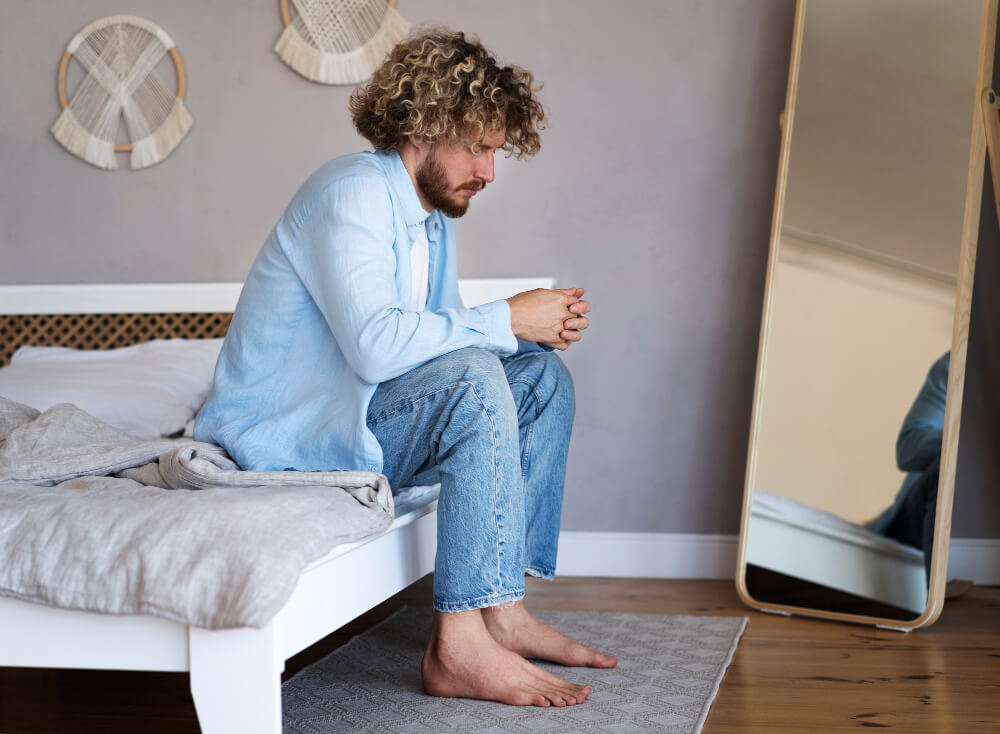
Erectile dysfunction changes how men view themselves. Self-image takes a significant hit when sexual function falters. Many men connect masculinity with sexual performance. When erections don’t happen as expected, confidence begins to erode.
Common emotional reactions include frustration, worry, and sadness. Some men experience anger at their bodies for not responding. These feelings are normal responses to a challenging situation. Repeated erectile issues increase overall stress levels that spill into daily life.
Psychological Impact of Erectile Dysfunction
The psychological impact of erectile dysfunction creates a reinforcing cycle. Emotional stress and physical symptoms feed into each other. Anxiety about performance makes erections more difficult to achieve. Failed attempts increase anxiety further. This cycle becomes difficult to break without intervention.
Fear of failure begins dominating thoughts before sexual activity. You might worry constantly about disappointing your partner. These worries activate stress responses in your body. Stress hormones constrict blood vessels, making erections even harder. The fear literally creates the problem you’re worried about.
Past failures cast shadows over future experiences. Each unsuccessful attempt builds a mental association between sex and failure. Your mind begins expecting problems rather than pleasure. This expectation makes arousal difficult even when physical causes have resolved.
Anxiety, Performance Pressure, and Fear of Failure
Performance anxiety develops specifically after experiencing erectile difficulties. You become hyperaware of your physical responses during intimacy. This monitoring interferes with natural arousal. Instead of focusing on pleasure, you’re watching for signs of failure.
Fear of another failed attempt affects arousal before intimacy begins. Anticipatory anxiety builds throughout the day. Stress hormones like cortisol and adrenaline redirect blood flow away from sexual organs. This biological response makes erections physically difficult regardless of desire.
Depression, Mood Changes, and Emotional Withdrawal
Ongoing erectile dysfunction can trigger persistent low mood. When sexual difficulties continue for months, hopelessness may develop. Motivation for activities you once enjoyed may decrease. Intimacy avoidance often extends to emotional distance from your partner.
Emotional withdrawal appears gradually. You may stop initiating physical affection entirely. Some men isolate socially to escape potential judgment. Feelings of helplessness develop when attempts to fix the problem fail. This perceived lack of control damages self-esteem further.
Impact on Relationships and Intimacy
Communication often becomes strained between partners when erectile dysfunction appears. Many couples struggle to discuss sexual difficulties openly. Silence breeds misunderstanding and resentment.
Partners may interpret erectile problems as lack of attraction. They might blame themselves for the difficulties. These incorrect assumptions damage emotional connection. Physical affection beyond sex often decreases. Men sometimes avoid all touching to prevent expectations. Relationships suffer when hugging, kissing, and cuddling disappear. Additionally, understanding cardiovascular health and erectile dysfunction can help couples recognize that physical causes aren’t personal rejections.
How Partners Are Emotionally Affected
Partners experience confusion when erectile dysfunction first appears. Many wonder if they did something wrong. Self-blame becomes common without clear information. They might fear infidelity or loss of attraction. These fears damage trust and intimacy.
Shared coping strengthens relationships during erectile dysfunction challenges. Partners who face the issue together report better outcomes. Mutual support reduces individual stress. Working as a team builds intimacy even when sexual function remains impaired.
When Psychological Stress Becomes the Main Cause of ED
Emotional stress alone can trigger erectile issues without any physical cause. Severe anxiety or depression affects neurotransmitters and hormones needed for erections. This is called psychogenic erectile dysfunction.
Mental pressure may persist even after physical recovery. Your body might be capable of normal function while your mind maintains anxiety. Understanding the mind-body connection is crucial. Your thoughts directly influence physical sexual response.
Coping Strategies for the Emotional Effects of ED
Education about erectile dysfunction reduces anxiety and fear. Learning that the condition is common helps normalize your experience. Understanding causes shows that solutions exist. Research shows that exercise and erectile dysfunction have an inverse relationship, with regular physical activity improving both mental and physical symptoms.
Open communication dramatically reduces emotional pressure. Talking with your partner removes the burden of secrecy. Partners often express relief when men finally discuss their struggles. Honesty allows couples to support each other effectively.
Relaxation techniques manage stress that worsens erectile difficulties. Deep breathing exercises calm your nervous system before intimacy. Mindfulness meditation helps you stay present rather than anxious. Mindset shifts help break negative thought patterns. Instead of viewing sex as a performance test, focus on pleasure and connection.
The Role of Counseling, Therapy, and Emotional Support
Talking to a therapist specifically trained in sexual health reduces anxiety effectively. Cognitive behavioral therapy addresses negative thought patterns about sex. A therapist helps identify specific fears and develop coping strategies.
Couples therapy supports both intimacy and communication during erectile challenges. A therapist helps partners discuss difficult topics safely. Couples therapy often improves relationship satisfaction even before erectile function fully recovers.
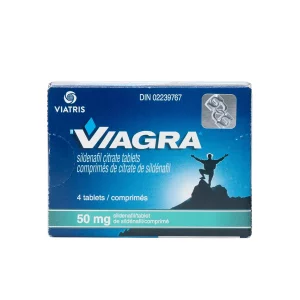
Professional guidance helps break negative thought cycles. Therapists teach you to recognize catastrophic thinking and replace unhelpful thoughts with realistic ones. When appropriate, decisions about whether to buy erectile dysfunction medications safely can be made with proper medical guidance as part of comprehensive treatment.
Rebuilding Confidence and Sexual Self-Esteem
Confidence returns slowly through positive experiences. Each successful intimate encounter rebuilds self-assurance. Small improvements matter more than perfect performance. Celebrating progress rather than demanding perfection supports recovery.
Patience proves essential during emotional recovery. Confidence doesn’t rebuild overnight after months of difficulties. Gradual improvement is normal. Focusing on intimacy beyond penetrative sex helps recovery significantly. Expanding your definition of successful sex reduces performance pressure. Touch, communication, and emotional connection matter deeply regardless of erection status.
When to Seek Professional Help for the Psychological Impact
Warning signs indicate that emotional distress requires help. Persistent sadness lasting more than two weeks suggests depression. Anxiety that interferes with daily activities needs professional attention. Relationship conflicts escalating despite communication efforts warrant couples counseling.
Self-coping reaches its limits when symptoms don’t improve with time and effort. Don’t wait until distress becomes severe. Early intervention prevents problems from becoming deeply entrenched. The psychological impact of erectile dysfunction in males often improves faster with professional help. Therapists provide tools and perspectives you can’t access independently.
FAQs
Can erectile dysfunction cause anxiety and depression by itself?
Yes, repeated erectile problems significantly affect mood and mental health. Studies show approximately 65% to 80% of men with erectile dysfunction experience anxiety or depression. The condition damages self-esteem and creates ongoing stress even without pre-existing mental health issues.
Is the psychological impact of ED different in younger and older men?
Life stage affects emotional response considerably. Younger men often experience more severe psychological distress, facing greater performance expectations. They may feel their masculinity is threatened earlier than expected. Older men might view erectile changes as normal aging, though distress still occurs.
Can therapy alone improve erectile dysfunction caused by stress?
Reducing anxiety through therapy often improves sexual function when stress is the primary cause. Cognitive behavioral therapy shows particular effectiveness. Studies indicate psychological interventions can restore function in 50% to 70% of cases with psychogenic causes.
How can partners support someone struggling emotionally with ED?
Partners support recovery through patience, open communication, and reassurance. Avoid blame or pressure about sexual performance. Express continued attraction through non-sexual touch. Participate in couples therapy when offered. Educate yourself about the condition to better understand your partner’s experience.
How long does it take to recover emotionally from erectile dysfunction?
Emotional recovery varies significantly by individual and support level. Some men improve within weeks with proper support and treatment. Others require months to rebuild confidence. The psychological impact of erectile dysfunction instrument research shows that comprehensive treatment addressing both physical and psychological factors typically produces faster emotional recovery.
References
Latini, D. M., Penson, D. F., Colwell, H. H., Lubeck, D. P., Mehta, S. S., Henning, J. M., & Lue, T. F. (2002). Psychological impact of erectile dysfunction: Validation of a new health-related quality of life measure for patients with erectile dysfunction. Journal of Urology, 168(5), 2086-2091. https://pubmed.ncbi.nlm.nih.gov/12394715/
Yang, Y., Song, Y., Lu, Y., Xu, Y., Liu, L., & Liu, X. (2019). Associations between erectile dysfunction and psychological disorders (depression and anxiety): A cross-sectional study in a Chinese population. Andrologia, 51(10), e13395. https://pubmed.ncbi.nlm.nih.gov/31434163/
Nguyen, Q., Le, V. T., Chung, E., Bui, V. Q., Luu, Q. L., Nguyen, T. N., Nguyen, A. M., Do, M. A., Nguyen, D. T., & Nguyen, T. N. (2024). Predicting anxiety and depression among erectile dysfunction patients: A cross-sectional study. American Journal of Men’s Health, 18(1), 15579883231223502. https://pubmed.ncbi.nlm.nih.gov/38288597/
$839.99
This product has multiple variants. The options may be chosen on the product page
Save with sets
Unlock savings on bundles and elevate your online experience today!
Age Verification Required
This website contains information on research compounds intended for laboratory use only. You must be 21 years or older to enter and view this content. By entering, you also agree that all products are for research use only and are not intended for human consumption.

 132
132