Your cart is empty.
Your cart is empty.


99.2% On-Time Delivery
Tracked International Shipping
Refund Within 28 Days
Secure, Encrypted Checkout
Each peptide batch is tested and verified to meet or exceed 98–99% purity (HPLC).
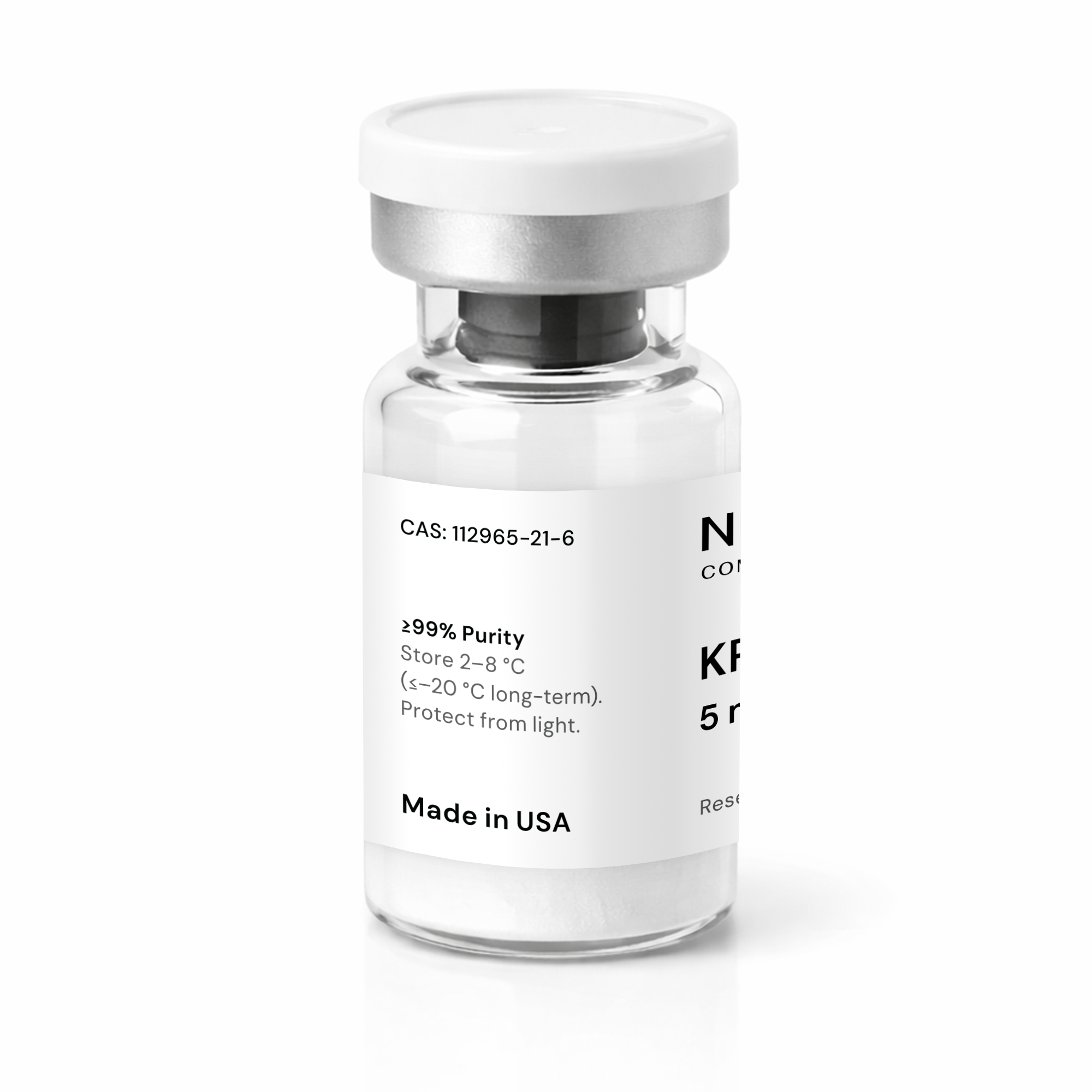
Store 2–8 °C (≤–20 °C long-term). RT exposure during transport acceptable. Protect from light.
99.2% On-Time Delivery
Tracked International Shipping
Refund Within 28 Days
Secure, Encrypted Checkout
$58.00
This product is available by prescription only
This product does not require a prescription
Out Of Stock
Each peptide batch is tested and verified to meet or exceed 98–99% purity (HPLC).
Store 2–8 °C (≤–20 °C long-term). RT exposure during transport acceptable. Protect from light.
The product is delivered in powdered (lyophilized) form and must be properly reconstituted prior to research use.
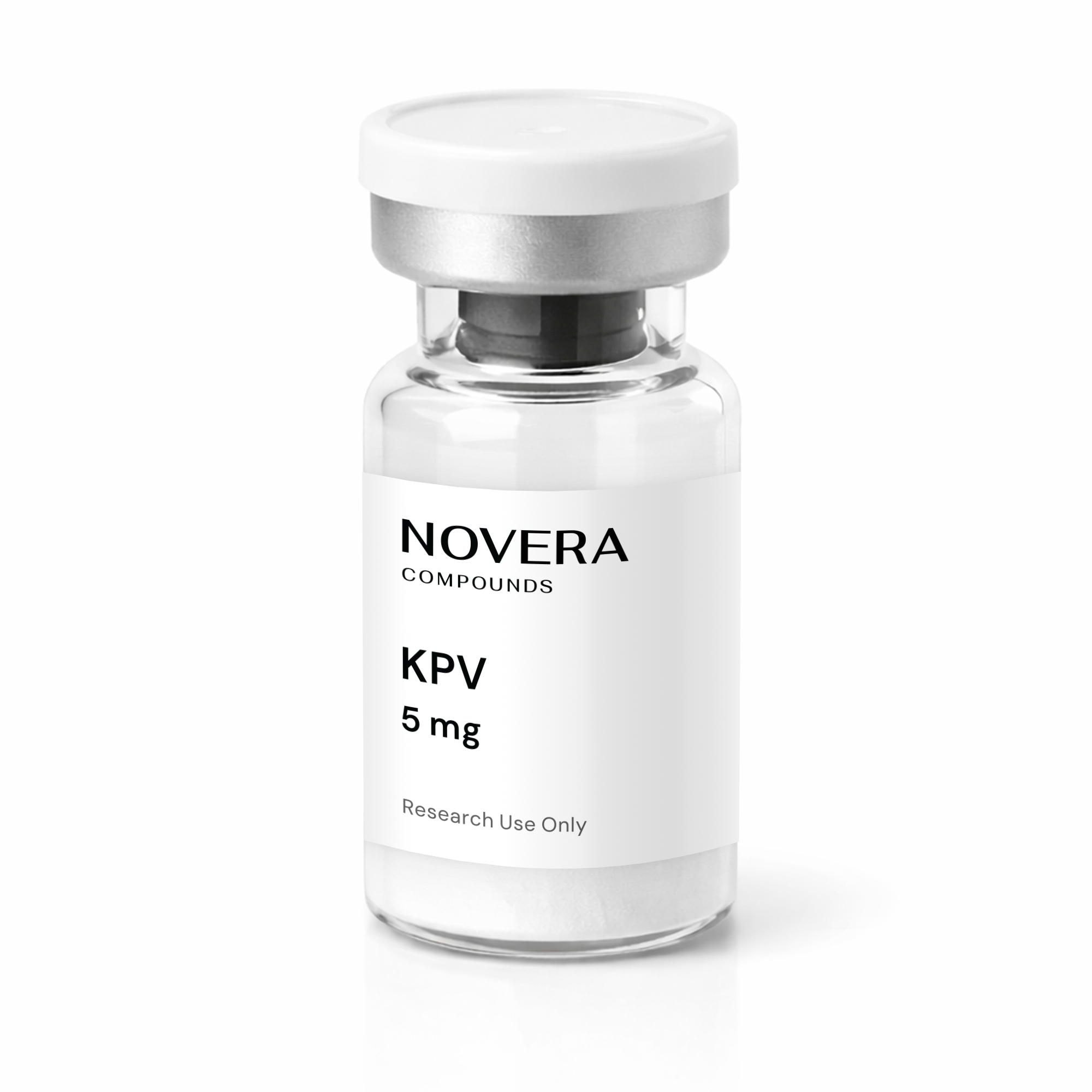
This synthetic research tripeptide formulation delivers a standardized three-amino-acid compound for experimental investigations. The compact 5mg format supports controlled research applications in qualified laboratory environments. Each batch undergoes rigorous purity verification to ensure consistency across research protocols. High-purity formulation meets research-grade standards for tripeptide fragment studies. Secure packaging protects compound integrity during storage and transport. Discreet shipment ensures confidential delivery to research facilities and institutional laboratories.
Researchers investigate KPV peptide within controlled laboratory environments to examine tripeptide fragment properties and molecular mechanisms. Experimental pathway models utilize this compound to study short-chain peptide interactions in vitro. Controlled laboratory peptide stability studies assess compound characteristics under standardized experimental conditions. Scientists explore structural attributes of three-amino-acid sequences in research settings. Laboratory personnel examine tripeptide behavior in experimental models designed for peptide fragment research. These investigations occur exclusively in controlled research environments without clinical applications.
KPV peptide is investigated in research environments to understand tripeptide fragment mechanisms. This compound is studied within controlled laboratory models examining short-chain peptide properties. Researchers explore this peptide for experimental peptide research applications in academic and institutional settings. Laboratory studies examine the compound’s molecular characteristics under standardized protocols. Scientists investigate structural properties relevant to tripeptide fragment research methodologies. All research applications remain confined to laboratory environments and experimental frameworks.
Store KPV peptide in cool, dry conditions protected from light exposure. Storage temperature should remain consistent to maintain compound stability. Keep the product sealed until ready for laboratory use. Laboratory handling should occur only by qualified research personnel trained in peptide research protocols. Avoid exposure to moisture, heat, and direct sunlight during storage. Use appropriate laboratory equipment when handling this research compound. Reconstitution should follow standard laboratory peptide preparation procedures using sterile techniques. Maintain proper documentation of handling and storage conditions for research records. Dispose of unused material according to institutional laboratory waste protocols.
Each batch undergoes comprehensive purity verification procedures to confirm research-grade quality. Third-party testing validates compound purity at 99%+ by HPLC analysis. Batch-to-batch consistency ensures reliable results across research protocols. Certificate of Analysis accompanies each order documenting purity verification results. Internal quality assurance standards maintain strict compound specifications. Testing procedures verify molecular weight, purity percentage, and compound identity. Research-grade supply positioning ensures suitability for controlled laboratory investigations. Quality control documentation supports institutional research compliance requirements.
KPV peptide is a synthetic tripeptide compound produced for research applications. A tripeptide is a peptide chain consisting of three amino acids linked together. This specific sequence contains lysine, proline, and valine amino acids arranged in that order. Peptide fragments are shorter segments of amino acid chains studied for their structural properties. These fragments are investigated in laboratory research because they help scientists understand how specific amino acid sequences contribute to molecular properties. This synthetic peptide origin ensures batch-to-batch consistency for research protocols. The compound represents a defined three-amino-acid sequence designed for experimental study. Researchers examine this tripeptide’s properties within controlled laboratory conditions without therapeutic context.
Novera Research delivers high-quality research peptides developed under strict manufacturing and quality-control standards. Each product is carefully synthesized, tested, and handled to ensure consistency, reliability, and transparency for advanced research applications.
High-purity, research-grade peptide synthesis
Analytical testing to verify quality and composition
Consistent batch-to-batch performance
Batch identification on every vial for traceability
Stored and shipped under controlled conditions
Research-grade dual GIP/GLP-1 peptide by NOVERA, USA-made, 99% purity, for advanced metabolic studies.
High-purity research peptide supplied for controlled laboratory studies. B7-33 (5mg) is a precisely characterized peptide fragment. Its structural definition and batch consistency make it a reliable choice for laboratories performing...
Research-grade synthetic dual-peptide formulation combining amylin analog and GLP-1 receptor agonist for dual-mechanism pathway studies and combination peptide research in controlled laboratory environments.
Research-grade synthetic peptide analog formulated for experimental metabolic pathway research in controlled laboratory environments.
A synthetic 44-amino acid analog of growth hormone-releasing hormone studied for pituitary receptor binding kinetics, GHRH pathway signaling dynamics, and downstream somatotropic axis marker activity in controlled preclinical models.
This website contains information on research compounds intended for laboratory use only. You must be 21 years or older to enter and view this content. By entering, you also agree that all products are for research use only and are not intended for human consumption.
We'll send the lab results to this email address.