Female Hair Loss: Unique Causes, Solutions & What to Look For
Articles
Table of contents
Losing hair can feel overwhelming, especially when it affects your confidence and sense of self. Female hair loss is more common than many people realize, affecting millions of women worldwide at different stages of life. While losing 50-100 hairs daily is completely normal, persistent or visible thinning may signal an underlying issue that needs attention. Hair loss in women often has different causes than in men, including hormonal shifts, nutritional deficiencies, or stress-related triggers. Understanding what’s happening with your hair is the first step toward finding effective solutions. This article will explain the main causes, common patterns, and effective treatments to help women manage and restore hair health.
Understanding Hair Loss in Women
Hair loss in women means excessive shedding or thinning of scalp hair beyond what’s considered normal. While some hair shedding is part of the natural cycle, ongoing loss suggests something has disrupted your hair’s growth pattern. Understanding how hair grows helps you recognize when something is wrong.
Hair goes through three main phases in its growth cycle. The first phase is anagen, which is the active growth phase. During this time, your hair grows continuously for two to six years. The second phase is catagen, a brief transition phase lasting about two weeks. The third phase is telogen, which is the rest and shedding phase lasting around three months.
When this cycle gets disrupted, more hairs enter the telogen phase prematurely. This leads to visible thinning across your scalp. Unlike men who often develop distinct bald patches or receding hairlines, women typically experience diffuse thinning. This means the hair becomes less dense overall rather than disappearing from specific areas. The good news is that understanding these patterns helps you identify problems early and seek appropriate treatment.
Main Causes of Hair Loss in Women
Many internal and external factors contribute to female hair loss, and they often overlap. Identifying the root cause helps determine the right treatment approach. Here are the key triggers to understand.
Hormonal changes are among the most common causes. Pregnancy brings dramatic hormonal shifts that can affect hair cycles. After childbirth, many women experience increased shedding. Menopause also triggers hair thinning as estrogen levels decline. Thyroid imbalances disrupt normal hair growth patterns. PCOS (polycystic ovary syndrome) can increase androgens, which shorten hair growth cycles.
Stress plays a significant role in hair health. Both emotional stress from major life events and physical stress from illness or surgery can trigger temporary shedding. This condition, called telogen effluvium, causes sudden hair loss about 2-3 months after a stressful event. The hair usually grows back once stress levels normalize.
Nutritional deficiencies weaken hair from within. Low iron levels are particularly common in women with heavy menstrual periods. Insufficient zinc, biotin, or vitamin D also impacts hair strength and growth. Poor protein intake leaves your body without building blocks for new hair.
Genetics determine much of your hair’s fate. Female pattern hair loss runs in families and tends to progress gradually with age. If your mother or grandmother experienced thinning, your risk increases. This type of loss typically starts in your 30s or 40s and worsens over time.
Medical conditions and medications can trigger hair loss. Autoimmune diseases like lupus or alopecia areata attack hair follicles. Scalp infections create inflammation that disrupts growth. Certain medications have hair loss as a known effect. Always discuss medication concerns with your healthcare provider.
Hair styling damage accumulates over time. Excessive heat from styling tools weakens hair shafts. Tight hairstyles like braids or ponytails create tension that pulls on follicles. This condition, called traction alopecia, causes gradual thinning in stressed areas. Chemical treatments can also damage hair structure and lead to breakage.
Understanding Female Pattern Hair Loss
Female pattern hair loss is a genetic and hormonal condition that causes gradual thinning over time. It’s one of the most common types of hair loss in women and affects about one-third of women at some point in their lives. Understanding this condition helps you recognize it early and take action.
This type of hair loss typically appears as widening of the part line or thinning at the crown. Unlike men who often develop receding hairlines, women usually maintain their frontal hairline. The thinning spreads diffusely across the top of the scalp, making the scalp more visible through the hair. This pattern is distinct and helps doctors diagnose the condition.
The condition is linked to sensitivity to androgens, which are male hormones that exist in smaller amounts in women’s bodies. These hormones shorten hair growth cycles and cause follicles to shrink. Over time, affected follicles produce thinner, shorter hairs that eventually become barely visible. This process is called follicular miniaturization.
Female pattern hair loss can start as early as your 30s, though it often becomes noticeable around menopause. The condition progresses slowly, which means you might not notice significant changes for years. However, early intervention can slow or even partially reverse thinning in some cases. Medical treatments work best when started before follicles become completely inactive.
How to Identify the Type of Hair Loss You Have
Women may experience one or more types of hair loss simultaneously, which can make diagnosis challenging. Recognizing patterns helps you and your doctor determine the best treatment approach. Here are common patterns to watch for.
Diffuse thinning means hair density reduces evenly across your entire scalp. You might notice your ponytail feels thinner, or you can see more scalp through your hair. This pattern suggests hormonal causes or androgenetic alopecia. The thinning happens gradually and affects all areas rather than creating bald spots.
Patchy hair loss creates distinct, round or oval areas where hair is missing. This pattern may suggest alopecia areata, an autoimmune condition where your immune system attacks hair follicles. Traction alopecia also causes patchy loss, especially around hairlines or wherever tension is greatest from tight hairstyles.
Sudden shedding after stress or illness is characteristic of telogen effluvium. You might notice significantly more hair in your brush, on your pillow, or in the shower drain. This typically occurs 2-3 months after a triggering event like surgery, high fever, or emotional trauma. The good news is that this type usually resolves once the trigger is addressed.
Dermatologists use several tools for accurate diagnosis. A scalp examination reveals patterns of thinning and checks for inflammation or infection. The pull test involves gently tugging hair to see how many strands come out. Blood work can identify nutritional deficiencies, thyroid problems, or hormonal imbalances. These diagnostic steps ensure you receive targeted treatment for your specific condition.
Female Hair Loss Treatment Options
Effective female hair loss treatment depends on identifying the cause, but most women can manage or reverse their hair loss with the right plan. Multiple treatment options exist, and combining approaches often yields the best results. Here’s what you need to know about available hair loss treatment options.
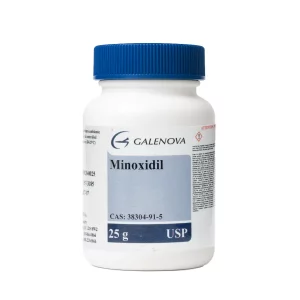
Topical treatments form the foundation of many treatment plans. Minoxidil is the most well-studied option and is FDA-approved for women. It works by stimulating hair follicles and prolonging the anagen growth phase. Applied directly to the scalp twice daily, minoxidil can help slow thinning and promote regrowth. Results typically appear after 3-6 months of consistent use. Oral medications may help balance hormones in specific cases. Spironolactone blocks androgens and is particularly useful for women with PCOS or signs of excess androgen activity. Finasteride, typically used in men, can benefit postmenopausal women at higher doses. These medications require medical supervision and regular monitoring.
Lifestyle adjustments support hair health from within. Stress reduction through meditation, yoga, or counseling helps normalize your hair cycle. A balanced diet rich in protein, vitamins, and minerals provides building blocks for strong hair. Proper sleep allows your body to repair and regenerate. These foundational changes benefit overall health while supporting hair growth. Medical procedures offer advanced options for stubborn cases. PRP (Platelet-Rich Plasma) therapy uses your own blood’s growth factors to stimulate follicles. The treatment involves drawing blood, concentrating the platelets, and injecting them into your scalp. Low-level laser therapy uses light energy to energize follicles and promote growth. These procedures work best when combined with other treatments.
Supplements can address specific deficiencies. Iron supplements help if blood tests reveal low levels. Vitamin D, zinc, and biotin support various aspects of hair health. However, supplements only help when you have actual deficiencies. Taking extra amounts when levels are normal won’t accelerate growth and may cause other problems. Patience and consistency are essential with any treatment. Hair grows slowly, and follicles need time to respond to interventions. Most treatments require at least 3-6 months before results become visible. Stopping treatment too early means missing out on potential benefits. Stick with your chosen approach and give it adequate time to work.
Lifestyle and Hair Care Tips for Healthier Hair
Gentle hair care habits prevent further damage and support treatment efforts. Small changes in your daily routine can make a significant difference over time. Here are practical tips for maintaining healthier hair.
Avoid tight hairstyles that create tension on your scalp. Ponytails, buns, and braids that pull tightly can cause traction alopecia. When you do tie your hair back, keep it loose and use soft hair ties instead of elastic bands. Let your hair down whenever possible to give follicles a break from tension.
Limit heat styling and harsh chemical treatments. Blow dryers, flat irons, and curling irons damage hair shafts with excessive heat. If you must use these tools, apply a heat protectant first and use the lowest effective temperature. Chemical treatments like perms, relaxers, and frequent coloring weaken hair structure. Space out these treatments or consider gentler alternatives.
Use mild, sulfate-free shampoos and nourishing conditioners. Harsh cleansers strip natural oils that protect your scalp and hair. Look for gentle formulas designed for thinning hair or sensitive scalps. Condition regularly to keep hair moisturized and less prone to breakage. Focus conditioner on the lengths and ends rather than the roots.
Practice regular scalp massages to improve circulation. Use your fingertips to massage your scalp in gentle circular motions for 5-10 minutes daily. This promotes blood flow to follicles, delivering nutrients and oxygen. You can do this while shampooing or as a relaxing evening routine. Some people enjoy using scalp massage tools for added convenience. Eat a nutrient-rich diet emphasizing foods that support hair health. Lean proteins like chicken, fish, and eggs provide amino acids for hair structure. Leafy greens offer iron and vitamins. Nuts and seeds supply omega-3 fatty acids and zinc. Colorful vegetables provide antioxidants that protect follicles from damage. A well-rounded diet benefits your entire body, including your hair.
Stay hydrated and manage stress for overall health. Drink water throughout the day to keep your body functioning optimally. Practice stress management techniques that work for you, whether that’s exercise, meditation, or spending time in nature. Your mental and physical health directly impact your hair’s condition. Managing overall wellness creates the best environment for healthy hair growth.
When to See a Professional
Seek professional help if hair thinning continues for several months without improvement. Persistent shedding or progressive thinning needs medical evaluation to identify underlying causes. Early intervention increases your chances of successful recovery and prevents long-term follicle damage.
Dermatologists specialize in hair and scalp health. They can perform thorough examinations, order appropriate tests, and create customized treatment plans. Trichologists are specialists who focus specifically on hair and scalp conditions. Either professional can provide the expert guidance you need.
Bring a list of symptoms to your appointment to help your provider understand your situation. Note when you first noticed thinning, how quickly it progressed, and any triggering events. Document your medical history, including medications, recent illnesses, and family history of hair loss. List your current hair care habits and any treatments you’ve already tried.
Early evaluation matters because some forms of hair loss respond best to prompt treatment. Follicles that have been inactive for years are harder to revive. Addressing problems early gives you the best chance of maintaining your existing hair and promoting regrowth. Don’t wait until thinning becomes severe to seek help.
FAQs
What causes sudden hair loss in women?
Sudden hair loss is often triggered by stress, illness, hormonal imbalance, or nutritional deficiency. Physical stressors like surgery, high fever, or major illness can shift many hairs into the shedding phase. Emotional stress from life changes also affects hair cycles. Hormonal shifts during pregnancy or menopause trigger shedding. The hair typically grows back once the underlying cause is addressed.
Can female pattern hair loss be reversed?
Female pattern hair loss cannot be completely cured because it’s a genetic condition. However, early treatment can slow progression and partially reverse thinning in many cases. Medications like minoxidil help maintain existing hair and promote some regrowth. The key is starting treatment early before follicles become permanently inactive. With consistent care, many women see significant improvement.
How long does it take to see results from treatment?
Most women notice improvement within 3-6 months of consistent treatment or lifestyle changes. Hair grows slowly, about half an inch per month, so visible changes take time. Minoxidil typically shows results after 3-4 months of twice-daily application. Nutritional interventions may take 4-6 months as your body rebuilds its stores. Patience and consistency with your treatment plan are essential for success.
Does hair loss after pregnancy go away?
Yes, postpartum shedding is temporary and usually resolves without treatment. During pregnancy, high hormone levels keep many hairs in the growth phase longer than normal. After delivery, these hairs suddenly shift to the shedding phase together. This causes noticeable thinning 2-4 months postpartum. Hair typically regrows within 6-12 months as hormone levels normalize and the hair cycle restarts.
What vitamins help with female hair loss?
Iron, vitamin D, biotin, and zinc are key nutrients that support hair growth and strength. Iron deficiency is particularly common in women and directly impacts hair follicle function. Vitamin D plays a role in creating new follicles. Zinc supports tissue growth and repair. Biotin strengthens hair structure. However, supplements only help if you have actual deficiencies. Blood tests can determine which nutrients you need.
References (APA)
Grover, C., & Khurana, A. (2013). Telogen effluvium. Indian Journal of Dermatology, Venereology and Leprology, 79(5), 591-603. https://pubmed.ncbi.nlm.nih.gov/23974577/
Levy, L. L., & Emer, J. J. (2013). Female pattern alopecia: Current perspectives. International Journal of Women’s Health, 5, 541-556. https://pubmed.ncbi.nlm.nih.gov/24039457/
Sinclair, R., Patel, M., Dawson, T. L., Yazdabadi, A., Yip, L., Perez, A., & Rufaut, N. W. (2011). Hair loss in women: Medical and cosmetic approaches to increase scalp hair fullness. British Journal of Dermatology, 165, 12-18. https://pubmed.ncbi.nlm.nih.gov/22171680/
$839.99
This product has multiple variants. The options may be chosen on the product page
Save with sets
Unlock savings on bundles and elevate your online experience today!
Age Verification Required
This website contains information on research compounds intended for laboratory use only. You must be 21 years or older to enter and view this content. By entering, you also agree that all products are for research use only and are not intended for human consumption.

 130
130